 EN
EN

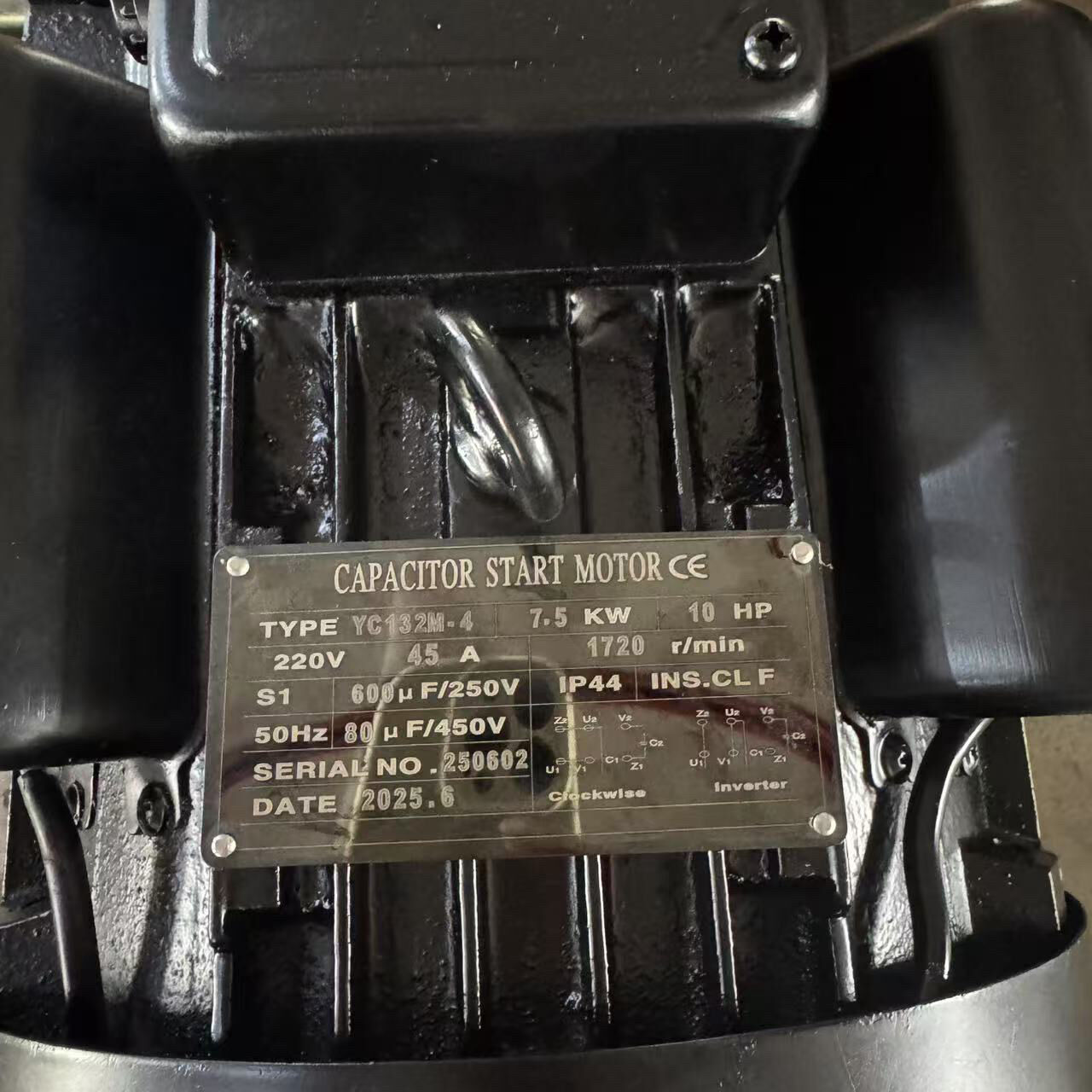
Modern manufacturing facilities increasingly rely on automated conveyor systems to maintain efficient production workflows and minimize operational costs. The backbone of these systems lies in selecting the appropriate drive mechanisms, particularly when dealing with heavy loads and variable speeds. A high-torque worm gear reducer serves as a critical component that transforms motor output into the precise torque and speed requirements needed for optimal conveyor performance. Understanding how to properly integrate and optimize these mechanical systems can significantly impact overall production efficiency and equipment longevity.
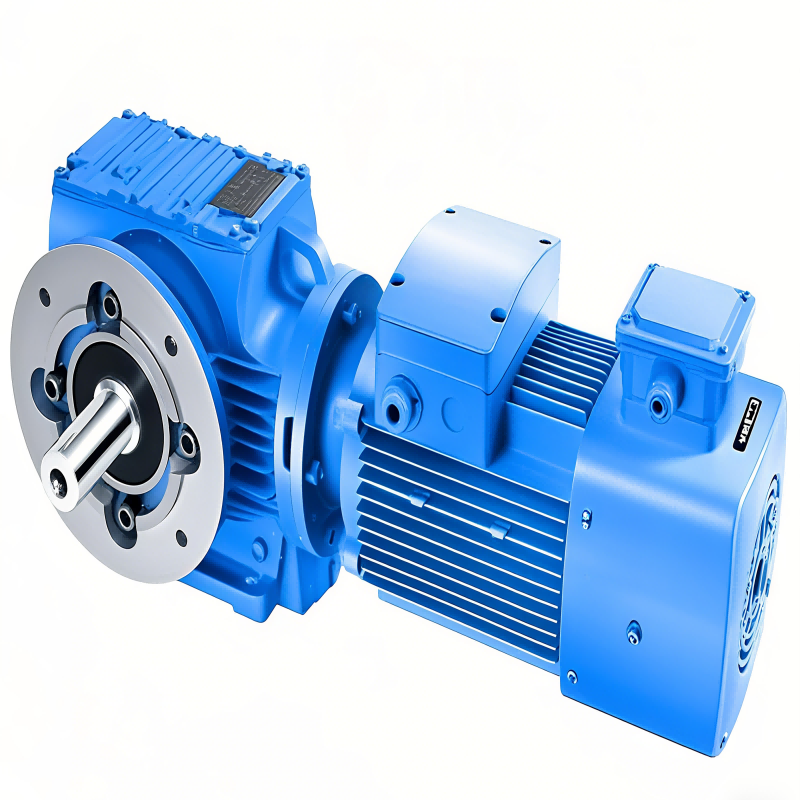
Understanding Worm Gear Reducer Fundamentals in Conveyor Applications
Basic Operating Principles
The fundamental operation of a worm gear reducer centers on the interaction between a worm screw and a worm wheel, creating a compact solution for achieving high reduction ratios. This mechanical arrangement provides inherent self-locking capabilities, preventing reverse rotation when the system is not actively powered. In conveyor applications, this characteristic proves invaluable for maintaining load position during power interruptions or maintenance procedures. The helical thread design of the worm gear reducer ensures smooth power transmission while distributing loads across multiple contact points, reducing wear and extending operational life.
The efficiency characteristics of worm gear systems typically range from 40% to 90%, depending on the reduction ratio and manufacturing precision. Lower reduction ratios generally achieve higher efficiency levels, making proper sizing crucial for conveyor optimization. Heat generation during operation requires careful consideration of cooling methods and lubricant selection to maintain optimal performance parameters. Understanding these fundamental principles enables engineers to make informed decisions regarding system integration and performance expectations.
Torque Multiplication Advantages
High-torque capabilities represent one of the primary advantages of implementing a worm gear reducer in automated conveyor systems. The mechanical advantage created by the worm and wheel arrangement allows relatively small input motors to generate substantial output torque suitable for moving heavy loads. This torque multiplication effect reduces the required motor size and associated electrical infrastructure costs while maintaining the necessary power delivery for demanding applications.
The compact design of worm gear reducers enables installation in space-constrained environments commonly found in modern production facilities. Unlike other gear arrangements that may require multiple stages to achieve similar reduction ratios, a single worm gear reducer can provide ratios ranging from 5:1 to 100:1 in a single unit. This simplicity reduces maintenance requirements and potential failure points while providing reliable torque delivery throughout the operational envelope.
Sizing and Selection Criteria for Conveyor Integration
Load Analysis and Torque Requirements
Proper sizing of a worm gear reducer begins with comprehensive analysis of conveyor load characteristics, including both steady-state and dynamic loading conditions. Conveyor systems experience varying loads throughout their operational cycles, from empty belt conditions to maximum payload scenarios. Peak torque requirements during startup and emergency stops often exceed normal operating levels by significant margins, necessitating careful consideration of safety factors in the selection process.
Belt tension calculations must account for friction losses, elevation changes, and acceleration requirements to determine the total torque demand at the drive pulley. The selected worm gear reducer must provide adequate torque capacity with appropriate safety margins to handle these varying conditions reliably. Environmental factors such as temperature extremes, contamination levels, and duty cycle patterns influence the final selection criteria and expected service life.
Speed Reduction Considerations
Speed reduction requirements for conveyor applications depend on the desired belt velocity and motor characteristics. Standard AC motors typically operate at speeds between 1200 and 1800 RPM, while conveyor belt speeds rarely exceed 500 feet per minute for most industrial applications. This significant speed differential necessitates substantial reduction ratios that worm gear reducer systems can efficiently provide in compact packages.
The relationship between reduction ratio and efficiency requires careful balance to optimize overall system performance. Higher reduction ratios increase torque multiplication but may reduce transmission efficiency, potentially requiring larger motors to compensate for losses. Variable frequency drives can complement worm gear reducer systems by providing speed control flexibility while maintaining optimal operating conditions across the entire speed range.
Installation Best Practices and System Integration
Mounting Configuration Options
Proper mounting of a worm gear reducer significantly impacts system reliability and maintenance accessibility. Conveyor applications typically utilize foot-mounted or flange-mounted configurations depending on space constraints and structural requirements. Foot-mounted units provide excellent stability and simplified maintenance access, while flange-mounted options offer compact installation in tight spaces with proper structural support.
Foundation requirements must account for dynamic loads and vibration transmission to prevent premature wear and alignment issues. Rigid mounting surfaces minimize deflection under load while proper isolation techniques reduce vibration transmission to adjacent equipment. The orientation of the worm gear reducer affects lubrication distribution and cooling characteristics, with horizontal orientations generally providing optimal performance for continuous duty applications.
Coupling and Alignment Procedures
Precise alignment between the motor, worm gear reducer, and driven equipment ensures optimal power transmission efficiency and component longevity. Flexible couplings accommodate minor misalignments while protecting connected equipment from shock loads and vibration transmission. The selection of appropriate coupling types depends on torque requirements, misalignment tolerance, and maintenance preferences specific to each installation.
Alignment procedures should follow manufacturer specifications and industry best practices to achieve acceptable tolerances. Laser alignment tools provide superior accuracy compared to traditional dial indicator methods, particularly for critical applications requiring minimal vibration levels. Regular alignment verification during maintenance intervals helps identify wear patterns and potential issues before they result in equipment failure.
Maintenance Strategies for Optimal Performance
Lubrication Management Systems
Effective lubrication represents the most critical maintenance factor for worm gear reducer longevity and performance consistency. The sliding contact between worm and wheel generates heat and requires specialized lubricants designed for extreme pressure conditions. Synthetic lubricants often provide superior performance in high-temperature environments while extending drain intervals compared to conventional mineral oils.
Oil analysis programs enable predictive maintenance approaches by monitoring lubricant condition and wear particle content over time. Regular sampling and laboratory analysis can identify developing issues such as excessive wear, contamination, or thermal degradation before they cause catastrophic failure. Proper oil level maintenance and contamination prevention through effective sealing systems contribute significantly to extended service life.
Condition Monitoring Techniques
Vibration monitoring provides early warning of developing problems in worm gear reducer systems before they progress to failure conditions. Baseline vibration signatures established during initial installation serve as reference points for future comparisons and trend analysis. Changes in vibration patterns often indicate bearing wear, gear tooth damage, or alignment issues that require corrective action.
Temperature monitoring complements vibration analysis by identifying thermal issues related to lubrication problems or excessive loading. Infrared thermography enables non-contact temperature measurement during operation, allowing detection of hot spots that may indicate impending failure. Combining multiple condition monitoring techniques provides comprehensive insight into worm gear reducer health and remaining useful life.
Performance Optimization Techniques
Efficiency Enhancement Methods
Maximizing worm gear reducer efficiency requires attention to multiple operational factors including load management, temperature control, and lubrication optimization. Operating at or near the rated capacity typically provides the best efficiency characteristics, while significant under-loading can reduce overall transmission efficiency. Load distribution techniques such as multiple drive points can optimize individual unit loading while providing system redundancy.
Temperature management through proper ventilation and cooling systems maintains lubricant properties and reduces internal losses. Forced air cooling or heat exchangers may be necessary in high-ambient temperature environments or continuous duty applications. The selection of appropriate lubricant viscosity grades based on operating temperature ranges ensures optimal film thickness and reduced friction losses throughout the operational envelope.
Variable Speed Control Integration
Variable frequency drives paired with worm gear reducer systems provide exceptional control flexibility for conveyor speed regulation. This combination allows precise speed control while maintaining high torque output at low speeds, ideal for applications requiring gentle product handling or complex material flow patterns. The constant torque characteristics of worm gear reducer systems complement VFD operation across the entire speed range.
Regenerative braking capabilities available with modern VFD systems can reduce wear on mechanical braking components while improving energy efficiency. The self-locking characteristics of worm gear reducer systems provide additional holding capability during controlled stops and emergency conditions. Proper programming of acceleration and deceleration profiles minimizes stress on mechanical components while optimizing production throughput.
Troubleshooting Common Issues
Noise and Vibration Problems
Excessive noise from worm gear reducer systems typically indicates developing mechanical problems requiring immediate attention. Common causes include inadequate lubrication, gear tooth wear, bearing deterioration, or misalignment conditions. Systematic diagnosis using acoustic measurement tools can isolate specific problem areas and guide corrective actions.
Vibration analysis provides quantitative data for identifying the root causes of mechanical problems in worm gear reducer installations. Unbalanced rotating components, worn bearings, and gear mesh issues each produce characteristic vibration signatures that trained technicians can interpret. Addressing vibration issues promptly prevents progressive damage and extends equipment service life while maintaining product quality standards.
Temperature and Efficiency Issues
Elevated operating temperatures in worm gear reducer systems indicate potential efficiency problems or inadequate heat dissipation. Excessive loading beyond design parameters generates additional heat while reducing transmission efficiency and accelerating component wear. Load monitoring systems can verify that operating conditions remain within acceptable ranges throughout production cycles.
Contaminated or degraded lubricants contribute to increased friction and heat generation while reducing the protective film between moving surfaces. Regular lubricant analysis and replacement according to manufacturer recommendations maintains optimal thermal characteristics. Cooling system maintenance ensures adequate heat removal capacity during peak loading conditions and high ambient temperatures.
FAQ
What reduction ratios are typically available for worm gear reducer systems
Standard worm gear reducer units offer reduction ratios ranging from 5:1 to 100:1 in single-stage configurations. Higher ratios are possible but may compromise efficiency and require careful thermal management. The optimal ratio depends on motor speed, desired output speed, and efficiency requirements for the specific conveyor application.
How often should lubricant be changed in conveyor worm gear reducer applications
Lubricant change intervals typically range from 2,500 to 8,000 operating hours depending on load conditions, operating temperature, and environmental factors. Severe duty applications or contaminated environments may require more frequent changes, while clean, moderate-load conditions can extend intervals. Oil analysis programs provide the most accurate determination of optimal change intervals for specific installations.
Can worm gear reducer systems be repaired or must they be replaced when problems occur
Many worm gear reducer problems can be addressed through component replacement or refurbishment depending on the extent of damage. Worn gears, seals, and bearings are commonly replaceable, while housing damage or extensive wear may require complete unit replacement. Cost-benefit analysis comparing repair costs to replacement costs guides the optimal decision for each situation.
What safety considerations apply to worm gear reducer maintenance procedures
Maintenance safety requires proper lockout/tagout procedures, confined space protocols when applicable, and appropriate personal protective equipment. The self-locking characteristics of worm gear reducer systems provide inherent holding capability, but additional mechanical restraints should be used during maintenance. Hot surfaces and pressurized lubrication systems present additional hazards requiring specific safety precautions.
Table of Contents
- Understanding Worm Gear Reducer Fundamentals in Conveyor Applications
- Sizing and Selection Criteria for Conveyor Integration
- Installation Best Practices and System Integration
- Maintenance Strategies for Optimal Performance
- Performance Optimization Techniques
- Troubleshooting Common Issues
-
FAQ
- What reduction ratios are typically available for worm gear reducer systems
- How often should lubricant be changed in conveyor worm gear reducer applications
- Can worm gear reducer systems be repaired or must they be replaced when problems occur
- What safety considerations apply to worm gear reducer maintenance procedures