 EN
EN

The HVAC industry stands at a pivotal moment in its evolution toward sustainable energy solutions. As environmental regulations tighten and energy costs continue to rise, facility managers and engineers are increasingly turning to advanced motor technologies that deliver superior efficiency while reducing carbon footprints. Among these innovative solutions, the permanent magnet synchronous motor has emerged as the cornerstone technology driving the next generation of green energy HVAC systems.
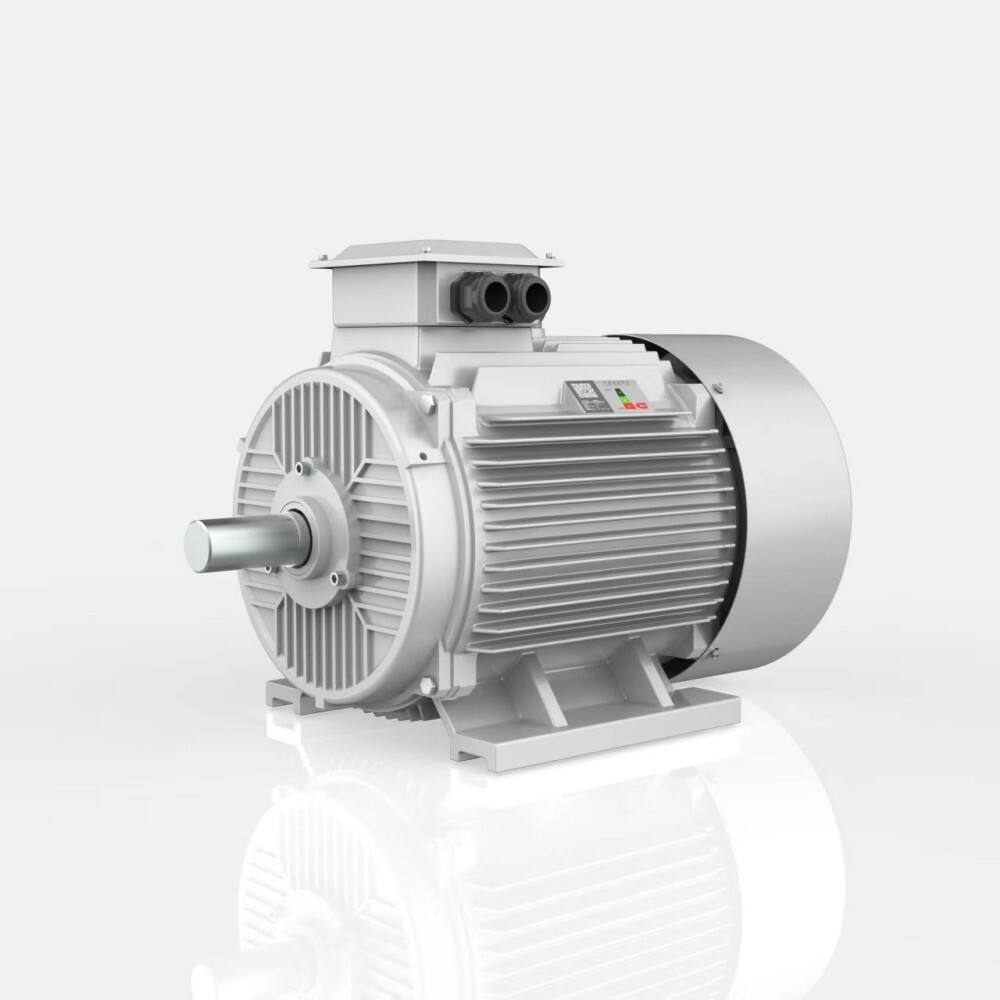
Traditional HVAC systems have long relied on induction motors and outdated technologies that consume excessive energy and require frequent maintenance. However, the integration of permanent magnet synchronous motor technology represents a fundamental shift toward more intelligent, efficient, and environmentally responsible climate control solutions. These advanced motors are revolutionizing how commercial buildings, industrial facilities, and residential complexes approach heating, ventilation, and air conditioning challenges.
The transformation toward green energy HVAC systems powered by permanent magnet synchronous motor technology reflects broader industry trends emphasizing sustainability, operational efficiency, and long-term cost reduction. As organizations worldwide commit to carbon neutrality goals and implement stricter energy management protocols, the adoption of high-performance motor technologies becomes not just advantageous but essential for competitive operations.
Understanding Permanent Magnet Synchronous Motor Technology
Core Operating Principles
The permanent magnet synchronous motor operates through a sophisticated interaction between permanent magnets embedded in the rotor and electromagnetic fields generated by stator windings. Unlike traditional induction motors that rely on slip and electromagnetic induction, the permanent magnet synchronous motor achieves synchronous rotation where the rotor speed precisely matches the rotating magnetic field frequency. This fundamental difference eliminates energy losses associated with slip, resulting in significantly higher efficiency ratings.
The permanent magnets, typically composed of rare-earth materials such as neodymium or samarium cobalt, create a constant magnetic field that interacts with the controlled electromagnetic fields in the stator. This interaction produces smooth, precise torque delivery with minimal energy waste. The permanent magnet synchronous motor design eliminates the need for rotor windings and associated losses, contributing to its superior efficiency characteristics.
Advanced control systems integrate seamlessly with permanent magnet synchronous motor technology to provide precise speed regulation, torque control, and energy optimization. Variable frequency drives specifically designed for these motors enable sophisticated control algorithms that adapt motor performance to real-time load requirements, further enhancing overall system efficiency.
Technological Advantages Over Traditional Motors
The permanent magnet synchronous motor delivers exceptional power density, meaning it can produce more torque per unit of size and weight compared to conventional induction motors. This characteristic proves particularly valuable in HVAC applications where space constraints and weight considerations influence system design. The compact form factor of permanent magnet synchronous motor technology enables more flexible installation options and reduces structural support requirements.
Heat generation remains significantly lower in permanent magnet synchronous motor designs due to the absence of rotor losses and improved electromagnetic efficiency. Reduced heat production translates directly to lower cooling requirements, extended component lifespan, and improved overall system reliability. This thermal advantage becomes particularly important in continuous operation HVAC applications where motor durability directly impacts maintenance costs and system uptime.
The permanent magnet synchronous motor exhibits superior starting characteristics, providing full torque at zero speed without requiring excessive starting currents. This capability eliminates the need for complex starting mechanisms and reduces electrical stress on power distribution systems during motor startup sequences.
Energy Efficiency Benefits in HVAC Applications
Quantifying Efficiency Improvements
Modern permanent magnet synchronous motor designs achieve efficiency ratings consistently exceeding 95%, compared to typical induction motor efficiencies ranging from 85% to 92%. This efficiency differential translates to substantial energy savings across HVAC system operations. In large commercial applications, the implementation of permanent magnet synchronous motor technology can reduce overall energy consumption by 15% to 25%, resulting in significant operational cost reductions and improved environmental performance.
The efficiency advantages of permanent magnet synchronous motor technology become more pronounced under variable load conditions common in HVAC applications. While induction motors experience decreased efficiency at partial loads, the permanent magnet synchronous motor maintains high efficiency across a broad operational range. This characteristic proves particularly valuable in building automation systems that frequently adjust airflow and cooling capacity based on occupancy and environmental conditions.
Energy monitoring data from facilities utilizing permanent magnet synchronous motor technology consistently demonstrates measurable improvements in power factor, reduced harmonic distortion, and lower overall electrical demand. These improvements contribute to reduced utility costs and enhanced power system stability throughout the facility.
Lifecycle Cost Analysis
Although permanent magnet synchronous motor technology requires higher initial investment compared to conventional motors, comprehensive lifecycle cost analysis reveals substantial long-term financial benefits. Energy savings alone typically justify the initial premium within two to four years, depending on operating hours and local utility rates. The permanent magnet synchronous motor design inherently requires less maintenance due to the absence of slip rings, brushes, and rotor windings that commonly fail in traditional motor configurations.
Extended operational lifespan represents another significant economic advantage of permanent magnet synchronous motor technology. The reduced mechanical stress, lower operating temperatures, and absence of rotor electrical components contribute to operational lifespans often exceeding 20 years with minimal maintenance requirements. This longevity reduces replacement costs and minimizes system downtime associated with motor failures.
Reduced cooling requirements for permanent magnet synchronous motor installations translate to lower HVAC loads for motor cooling, creating additional energy savings beyond the direct motor efficiency improvements. This secondary benefit compounds the overall energy performance improvements achieved through permanent magnet synchronous motor implementation.
Environmental Impact and Sustainability
Carbon Footprint Reduction
The environmental benefits of permanent magnet synchronous motor technology extend far beyond simple energy efficiency improvements. Reduced energy consumption directly correlates to decreased carbon emissions from power generation, particularly in regions where fossil fuels remain significant components of the electrical grid. Large commercial facilities implementing permanent magnet synchronous motor technology across their HVAC systems can achieve carbon footprint reductions equivalent to removing dozens of vehicles from operation annually.
Manufacturing processes for permanent magnet synchronous motor components increasingly incorporate sustainable practices and recycled materials. Advanced magnet recycling technologies enable the recovery and reuse of rare-earth materials, reducing the environmental impact associated with mining new materials. The extended operational lifespan of permanent magnet synchronous motor technology further reduces manufacturing-related environmental impacts by decreasing replacement frequency.
Integration with renewable energy systems becomes more effective when utilizing permanent magnet synchronous motor technology due to their superior efficiency and controllability. Solar and wind power installations benefit from the precise control characteristics and high efficiency of permanent magnet synchronous motor drives, enabling more effective utilization of intermittent renewable energy sources.
Resource Conservation
The permanent magnet synchronous motor design utilizes materials more efficiently than traditional motor technologies, requiring less copper for windings and eliminating aluminum rotor components entirely. This material efficiency reduces mining requirements and associated environmental impacts. Advanced manufacturing techniques enable the production of permanent magnet synchronous motor components with minimal waste and optimized material utilization.
Water conservation benefits emerge from the improved efficiency of HVAC systems utilizing permanent magnet synchronous motor technology. Reduced energy consumption decreases the cooling water requirements at power generation facilities, contributing to broader water resource conservation efforts. Additionally, more efficient building climate control reduces the load on cooling towers and other water-intensive HVAC components.
The permanent magnet synchronous motor technology enables more precise control of HVAC systems, reducing unnecessary operation and optimizing energy usage patterns. Smart building integration capabilities allow permanent magnet synchronous motor drives to respond dynamically to occupancy sensors, weather conditions, and energy pricing signals, further enhancing resource conservation efforts.
Integration with Smart Building Systems
Advanced Control Capabilities
Modern permanent magnet synchronous motor drives incorporate sophisticated communication protocols that enable seamless integration with building automation systems and energy management platforms. These motors can receive real-time commands and provide detailed operational feedback, including power consumption, speed, torque, and temperature data. The permanent magnet synchronous motor technology supports multiple communication standards, including BACnet, Modbus, and proprietary protocols, ensuring compatibility with diverse building control systems.
Predictive maintenance capabilities become significantly enhanced when utilizing permanent magnet synchronous motor technology equipped with integrated sensors and diagnostic systems. These motors can monitor vibration patterns, thermal conditions, and electrical characteristics to predict potential issues before they result in system failures. The permanent magnet synchronous motor diagnostic data enables maintenance teams to schedule repairs during planned downtime, reducing emergency service calls and system disruptions.
Variable speed operation capabilities of permanent magnet synchronous motor technology enable precise matching of HVAC output to actual building requirements. Unlike fixed-speed systems that cycle on and off, permanent magnet synchronous motor drives can continuously adjust motor speed to maintain optimal comfort conditions while minimizing energy consumption. This variable operation results in more stable indoor environments and reduced energy waste.
IoT Connectivity and Data Analytics
Internet of Things integration transforms permanent magnet synchronous motor installations into intelligent system components capable of contributing to comprehensive building energy optimization strategies. Cloud-connected permanent magnet synchronous motor drives can share operational data with centralized analytics platforms that identify optimization opportunities across multiple building systems. This connectivity enables facility managers to implement coordinated control strategies that optimize overall building performance rather than individual component efficiency.
Machine learning algorithms leverage permanent magnet synchronous motor operational data to develop predictive models for energy consumption, maintenance requirements, and performance optimization. These algorithms can identify patterns in motor operation that correlate with environmental conditions, occupancy patterns, and energy pricing, enabling automated optimization strategies that continuously improve system performance.
Remote monitoring capabilities allow facility management teams to oversee permanent magnet synchronous motor performance across multiple locations from centralized control centers. Real-time alerts and diagnostic information enable rapid response to operational issues and facilitate proactive maintenance strategies that maximize motor lifespan and system reliability.
Implementation Strategies for HVAC Systems
System Design Considerations
Successful implementation of permanent magnet synchronous motor technology requires careful consideration of system integration requirements and compatibility factors. HVAC system designers must evaluate existing infrastructure capabilities, including electrical power distribution, control systems, and mechanical interfaces, to ensure seamless permanent magnet synchronous motor integration. Proper sizing calculations become critical as the high efficiency of permanent magnet synchronous motor technology may require adjustments to cooling load calculations and airflow requirements.
Electrical infrastructure modifications may be necessary to fully realize the benefits of permanent magnet synchronous motor technology. Variable frequency drives specifically designed for permanent magnet synchronous motor operation often require different electrical specifications compared to traditional induction motor drives. Power quality considerations, including harmonic filtering and power factor correction, should be evaluated during the permanent magnet synchronous motor system design phase.
Mechanical integration factors include mounting considerations, shaft alignment requirements, and coupling specifications that may differ from traditional motor installations. The permanent magnet synchronous motor design often enables more compact installations, potentially requiring modifications to equipment layouts and maintenance access procedures.
Retrofit and Upgrade Pathways
Retrofitting existing HVAC systems with permanent magnet synchronous motor technology requires systematic evaluation of current motor applications and operational requirements. Direct replacement options exist for many applications, although optimization of control systems and operational parameters often enhances the benefits achieved through permanent magnet synchronous motor implementation. Phased replacement strategies allow organizations to gradually transition to permanent magnet synchronous motor technology while maintaining operational continuity.
Cost-benefit analysis for permanent magnet synchronous motor retrofits should consider energy savings, maintenance reduction, and operational improvements over extended timeframes. Utility rebates and energy efficiency incentives often offset initial implementation costs, improving the economic attractiveness of permanent magnet synchronous motor upgrades. Financing options specifically designed for energy efficiency improvements can further facilitate permanent magnet synchronous motor implementation projects.
Training requirements for maintenance personnel should be addressed during permanent magnet synchronous motor implementation to ensure proper operation and maintenance procedures. While permanent magnet synchronous motor technology generally requires less maintenance than traditional motors, specialized knowledge becomes important for optimization and troubleshooting activities.
FAQ
How much energy can facilities save by switching to permanent magnet synchronous motors
Facilities typically achieve energy savings of 15% to 25% when upgrading HVAC systems to permanent magnet synchronous motor technology. The exact savings depend on factors including current motor efficiency, operating hours, load patterns, and system optimization. Large commercial buildings often see annual energy cost reductions of thousands of dollars per motor, with payback periods ranging from two to four years depending on local utility rates and operating conditions.
What maintenance requirements do permanent magnet synchronous motors have compared to traditional motors
Permanent magnet synchronous motor technology requires significantly less maintenance than traditional induction motors due to the absence of rotor windings, slip rings, and brushes. Routine maintenance primarily involves bearing lubrication and periodic inspection of electrical connections. The reduced heat generation and mechanical stress in permanent magnet synchronous motor designs contribute to extended maintenance intervals and lower overall maintenance costs throughout the motor's operational lifespan.
Are permanent magnet synchronous motors compatible with existing HVAC control systems
Modern permanent magnet synchronous motor drives support multiple communication protocols and can integrate with most existing building automation systems. Compatibility varies depending on the specific control system and desired integration level, but most installations can achieve basic operation with minimal control system modifications. Advanced features such as predictive maintenance and energy optimization may require control system upgrades to fully utilize permanent magnet synchronous motor capabilities.
What factors should be considered when selecting permanent magnet synchronous motors for HVAC applications
Key selection factors include motor size and power requirements, environmental conditions, integration requirements with existing systems, and desired control capabilities. Permanent magnet synchronous motor efficiency ratings, speed ranges, and torque characteristics should match application requirements. Additionally, consider the availability of compatible variable frequency drives, communication protocols needed for building automation integration, and manufacturer support for installation and maintenance services.
Table of Contents
- Understanding Permanent Magnet Synchronous Motor Technology
- Energy Efficiency Benefits in HVAC Applications
- Environmental Impact and Sustainability
- Integration with Smart Building Systems
- Implementation Strategies for HVAC Systems
-
FAQ
- How much energy can facilities save by switching to permanent magnet synchronous motors
- What maintenance requirements do permanent magnet synchronous motors have compared to traditional motors
- Are permanent magnet synchronous motors compatible with existing HVAC control systems
- What factors should be considered when selecting permanent magnet synchronous motors for HVAC applications