 EN
EN

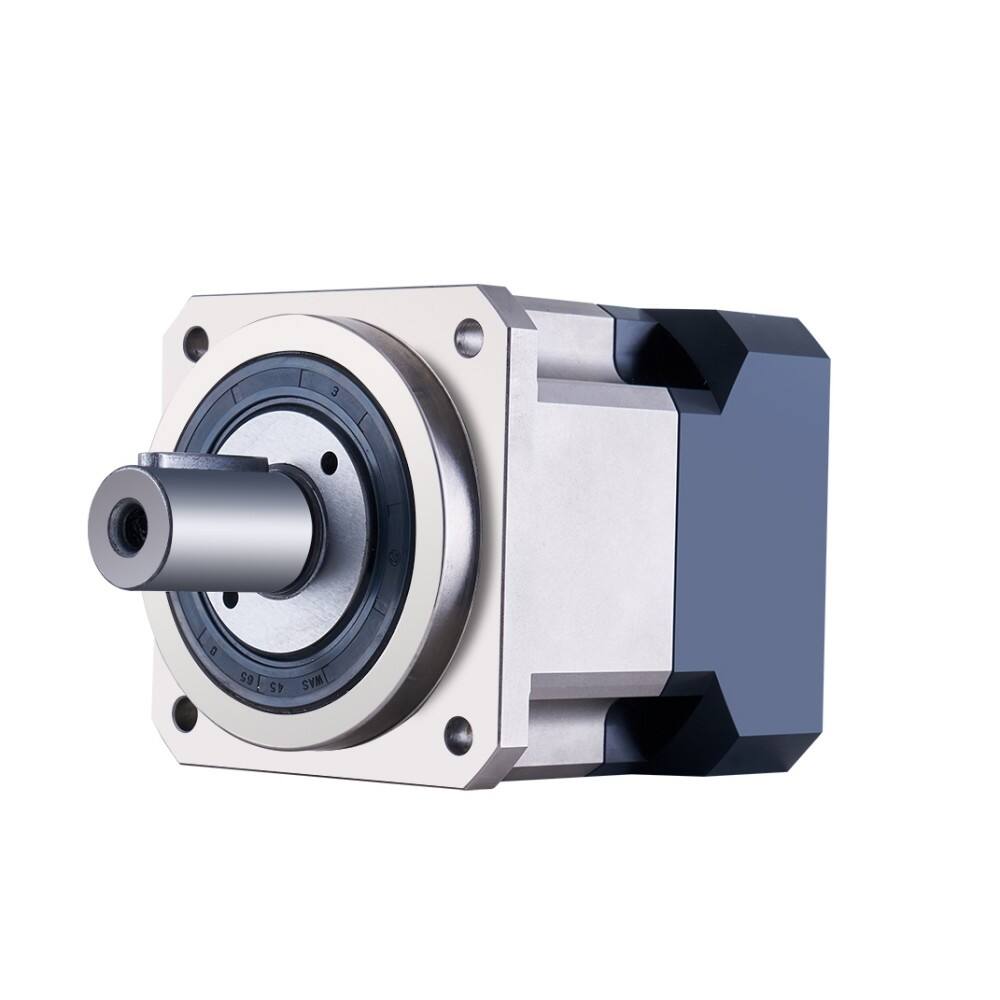
Modern industrial automation demands increasingly sophisticated drive systems that deliver exceptional performance while maintaining compact footprints. Engineers across manufacturing sectors continuously seek solutions that maximize efficiency without compromising on precision or reliability. High-precision planetary reducers have emerged as cornerstone components in achieving these demanding requirements, offering superior torque transmission capabilities and exceptional accuracy in confined spaces. These advanced mechanical systems represent a significant evolution in power transmission technology, enabling manufacturers to optimize their equipment designs while meeting stringent operational standards.
The integration of these sophisticated reduction systems into compact drive architectures requires careful consideration of multiple engineering factors. From gear ratio calculations to thermal management strategies, successful implementation depends on understanding the intricate relationships between mechanical components and operational parameters. This comprehensive approach ensures optimal performance while extending equipment lifespan and reducing maintenance requirements across diverse industrial applications.
Understanding Planetary Reducer Technology in Compact Systems
Fundamental Design Principles
The architectural foundation of high-precision planetary reducers centers on their unique three-component configuration consisting of sun gears, planet gears, and ring gears. This arrangement enables exceptional torque multiplication while maintaining remarkably compact dimensions compared to traditional gear reduction systems. The planetary configuration distributes mechanical loads across multiple gear meshes simultaneously, resulting in superior load-carrying capacity and enhanced durability under demanding operational conditions.
Engineers leverage this distributed load principle to achieve higher power density ratios within restricted installation envelopes. The concentric arrangement of planetary components eliminates the need for parallel shaft configurations, significantly reducing overall system footprint. This space efficiency proves particularly valuable in robotics applications, automated manufacturing equipment, and precision positioning systems where dimensional constraints often dictate design possibilities.
Advanced manufacturing techniques enable the production of planetary gear sets with exceptionally tight tolerances, typically achieving backlash values below one arcminute. These precision levels directly translate into improved positioning accuracy and repeatability in motion control applications. The inherent design stability of planetary configurations also contributes to reduced vibration and noise characteristics, making them ideal for applications requiring smooth, quiet operation.
Material Selection and Manufacturing Considerations
The performance characteristics of high-precision planetary reducers depend heavily on material selection and manufacturing precision. Premium grade alloy steels undergo specialized heat treatment processes to achieve optimal surface hardness while maintaining core toughness. Carburizing and nitriding treatments create wear-resistant surfaces capable of withstanding millions of operational cycles without significant degradation.
Modern CNC machining centers equipped with advanced tooling systems enable the production of gear teeth with surface finishes approaching mirror-like quality. These ultra-smooth surfaces reduce friction coefficients and minimize wear rates, contributing to extended service life and maintained precision over extended operational periods. Quality control processes utilizing coordinate measuring machines and gear analyzers ensure consistent manufacturing standards across production batches.
Specialized bearing systems within planetary assemblies utilize premium grade steel races and precision ceramic or steel rolling elements. These components undergo rigorous selection processes to ensure dimensional consistency and surface quality standards. Proper lubrication systems maintain optimal operating temperatures while providing essential protection against contamination and wear mechanisms.
Optimization Strategies for Compact Drive Integration
Sizing and Selection Methodology
Successful optimization of compact drive systems begins with accurate load analysis and duty cycle evaluation. Engineers must consider peak torque requirements, continuous operating loads, and dynamic loading patterns to select appropriately rated planetary reducers. Safety factors typically ranging from 1.5 to 3.0 provide adequate margins against unexpected overloads while preventing unnecessary oversizing that compromises system compactness.
Gear ratio selection involves balancing speed reduction requirements against efficiency considerations and mechanical constraints. Multiple-stage planetary configurations enable higher reduction ratios while maintaining compact profiles, though each additional stage introduces efficiency losses and increases system complexity. Engineers must evaluate the trade-offs between single-stage and multi-stage designs based on specific application requirements and performance priorities.
Thermal analysis plays a crucial role in sizing decisions, particularly in applications involving continuous operation or limited ventilation. Heat generation within gear meshes and bearing systems must be adequately dissipated to maintain acceptable operating temperatures. Thermal capacity calculations help determine whether natural convection cooling suffices or if additional cooling measures become necessary for optimal performance.
Integration Techniques and Mounting Strategies
Effective integration of high-precision planetary reducers requires careful attention to mounting arrangements and coupling selections. Rigid mounting systems provide optimal precision transmission but may transfer unwanted vibrations between components. Flexible mounting approaches using elastomeric elements can isolate vibrations while potentially introducing positioning errors that compromise system accuracy.
Coupling selection significantly influences overall system performance and reliability. Zero-backlash couplings maintain precision in positioning applications but may transmit shock loads that could damage delicate components. Flexible couplings provide shock absorption and accommodate minor misalignments but introduce compliance that may affect dynamic response characteristics. Engineers must balance these competing requirements based on application priorities and performance specifications.
Proper shaft alignment procedures ensure optimal load distribution across gear meshes and bearing systems. Misalignment conditions create uneven loading patterns that accelerate wear and reduce service life. Precision alignment tools and procedures help achieve installation tolerances that maximize performance and reliability while minimizing maintenance requirements throughout the operational lifespan.
Performance Enhancement Through Advanced Control Strategies
Motion Profile Optimization
Advanced motion control strategies can significantly enhance the performance capabilities of systems incorporating high-precision planetary reducers. Smooth acceleration and deceleration profiles minimize dynamic loading on gear meshes while reducing wear and extending service life. S-curve motion profiles provide particularly effective results by limiting jerk rates and creating gentler transitions between motion states.
Velocity optimization involves balancing throughput requirements against mechanical limitations and efficiency considerations. Operating at excessive speeds can increase gear mesh forces and reduce efficiency, while unnecessarily slow operation may limit productivity. Optimal velocity profiles consider gear tooth loading limits, bearing speed ratings, and lubrication system capabilities to maximize performance within safe operating boundaries.
Dynamic load monitoring systems can provide real-time feedback on operational conditions, enabling predictive maintenance strategies and performance optimization. Torque sensors and vibration monitoring equipment detect developing issues before they cause system failures. This proactive approach reduces unplanned downtime while ensuring consistent performance throughout the equipment lifespan.
Maintenance and Longevity Optimization
Preventive maintenance programs specifically designed for high-precision planetary reducers focus on lubrication management, contamination control, and wear monitoring. Regular lubricant analysis reveals developing wear patterns and contamination issues before they cause significant damage. Proper lubricant selection and change intervals maintain optimal viscosity characteristics and additive performance throughout operational cycles.
Contamination control measures protect sensitive gear meshes and bearing surfaces from abrasive particles and corrosive substances. Sealed housing designs with positive pressure systems prevent ingress of harmful contaminants while allowing proper thermal management. Filtration systems remove particles that could cause accelerated wear or scoring damage to precision surfaces.
Condition monitoring programs utilizing vibration analysis and temperature trending help identify developing issues before they progress to failure modes. Baseline measurements established during initial commissioning provide reference points for comparison throughout the service life. Trending analysis reveals gradual changes that indicate normal wear progression versus sudden changes that may require immediate attention.
Industrial Applications and Case Studies
Robotics and Automation Systems
Industrial robotics applications demonstrate the exceptional capabilities of high-precision planetary reducers in demanding automation environments. Six-axis articulated robots require precise positioning accuracy at each joint while maintaining rapid cycle times and exceptional repeatability. The compact design of planetary reducers enables integration within robotic joint assemblies without compromising range of motion or payload capabilities.
Collaborative robotics systems operating in close proximity to human workers benefit from the smooth, quiet operation characteristics of precision planetary gear systems. Low backlash values ensure accurate positioning for delicate assembly operations, while robust construction withstands the frequent direction changes typical of pick-and-place applications. The high power density enables lighter robot designs that improve safety characteristics in collaborative environments.
Automated guided vehicles and mobile robotics platforms utilize compact planetary reducers in wheel drive systems and steering mechanisms. The sealed construction protects internal components from environmental contamination while maintaining precise speed control and positioning accuracy. Battery-powered applications particularly benefit from the high efficiency characteristics that extend operational time between charging cycles.
Precision Manufacturing Equipment
CNC machine tools incorporate high-precision planetary reducers in rotary table drives and spindle indexing systems where positioning accuracy directly affects part quality. The exceptional rigidity and minimal backlash characteristics enable precise angular positioning for multi-axis machining operations. High torque capacity supports heavy workpiece loads while maintaining positioning accuracy throughout cutting operations.
Semiconductor manufacturing equipment requires ultra-precise positioning capabilities for wafer handling and processing operations. Clean room environments demand sealed gear systems that prevent particle generation while maintaining exceptional accuracy over millions of operational cycles. The compact design enables integration within space-constrained processing chambers without compromising functionality.
Medical device manufacturing applications utilize the smooth operation and precise control characteristics for assembly operations requiring exceptional quality standards. The reliable performance and low maintenance requirements support continuous operation schedules essential for meeting production demands in regulated industries. Traceability requirements benefit from the consistent performance characteristics that ensure repeatable manufacturing processes.
Future Developments and Technology Trends
Advanced Materials and Manufacturing
Emerging material technologies promise significant improvements in the performance capabilities of high-precision planetary reducers. Advanced steel alloys with enhanced fatigue resistance enable higher load ratings within existing dimensional envelopes. Powder metallurgy techniques allow complex gear geometries that optimize load distribution and reduce manufacturing costs while maintaining precision standards.
Additive manufacturing technologies show potential for producing lightweight planetary components with internal cooling passages and optimized stress distributions. These capabilities could enable custom gear ratios and specialized configurations for specific applications. Quality control challenges must be addressed to ensure consistent material properties and dimensional accuracy in production environments.
Surface engineering advances including diamond-like carbon coatings and specialized nitriding processes provide enhanced wear resistance and reduced friction coefficients. These treatments extend service life while maintaining precision characteristics throughout extended operational periods. Environmental benefits include reduced lubrication requirements and extended maintenance intervals.
Smart Integration and Industry 4.0
Internet of Things integration enables remote monitoring and predictive maintenance capabilities for high-precision planetary reducers. Embedded sensors monitor operating conditions and performance parameters in real-time, providing valuable data for optimization and maintenance scheduling. Wireless communication systems eliminate complex wiring requirements while enabling comprehensive monitoring capabilities.
Artificial intelligence algorithms analyze operational data to predict maintenance requirements and optimize performance parameters automatically. Machine learning systems identify patterns that indicate developing issues or opportunities for efficiency improvements. These capabilities reduce operational costs while maximizing equipment availability and performance consistency.
Digital twin technology creates virtual models that simulate reducer performance under various operating conditions. These models enable optimization studies and failure mode analysis without physical testing requirements. Virtual commissioning capabilities reduce installation time while ensuring optimal configuration before equipment deployment.
FAQ
What are the key advantages of using high-precision planetary reducers in compact drive systems?
High-precision planetary reducers offer several critical advantages including exceptional power density that enables compact system designs, superior load distribution across multiple gear meshes for enhanced durability, and minimal backlash characteristics that ensure precise positioning accuracy. Their concentric design eliminates the need for parallel shafts, significantly reducing overall system footprint while maintaining high torque capacity and smooth operation suitable for demanding industrial applications.
How do you determine the appropriate gear ratio for a specific compact drive application?
Gear ratio selection requires careful analysis of speed requirements, torque demands, and efficiency considerations. Engineers must evaluate the relationship between input motor speeds and output requirements while considering the trade-offs between single-stage and multi-stage configurations. Higher ratios provide greater torque multiplication but may reduce efficiency, while lower ratios maintain higher efficiency but may require larger motors to achieve necessary torque levels.
What maintenance practices ensure optimal performance of planetary reducers in compact systems?
Effective maintenance programs focus on proper lubrication management with regular oil analysis to monitor wear particles and contamination levels. Contamination control through sealed housings and filtered ventilation systems protects precision components from abrasive particles. Condition monitoring using vibration analysis and temperature trending helps identify developing issues before they cause failures, while following manufacturer-recommended service intervals ensures consistent performance throughout the operational lifespan.
How do environmental factors affect the selection and operation of compact planetary reducers?
Environmental considerations significantly influence reducer selection and operation, including temperature extremes that affect lubricant viscosity and component thermal expansion, contamination levels that require appropriate sealing systems, and humidity conditions that may cause corrosion issues. Proper environmental assessment ensures selection of appropriate sealing systems, lubricant types, and protective coatings that maintain performance and reliability under specific operating conditions while extending service life and reducing maintenance requirements.
Table of Contents
- Understanding Planetary Reducer Technology in Compact Systems
- Optimization Strategies for Compact Drive Integration
- Performance Enhancement Through Advanced Control Strategies
- Industrial Applications and Case Studies
- Future Developments and Technology Trends
-
FAQ
- What are the key advantages of using high-precision planetary reducers in compact drive systems?
- How do you determine the appropriate gear ratio for a specific compact drive application?
- What maintenance practices ensure optimal performance of planetary reducers in compact systems?
- How do environmental factors affect the selection and operation of compact planetary reducers?