 EN
EN

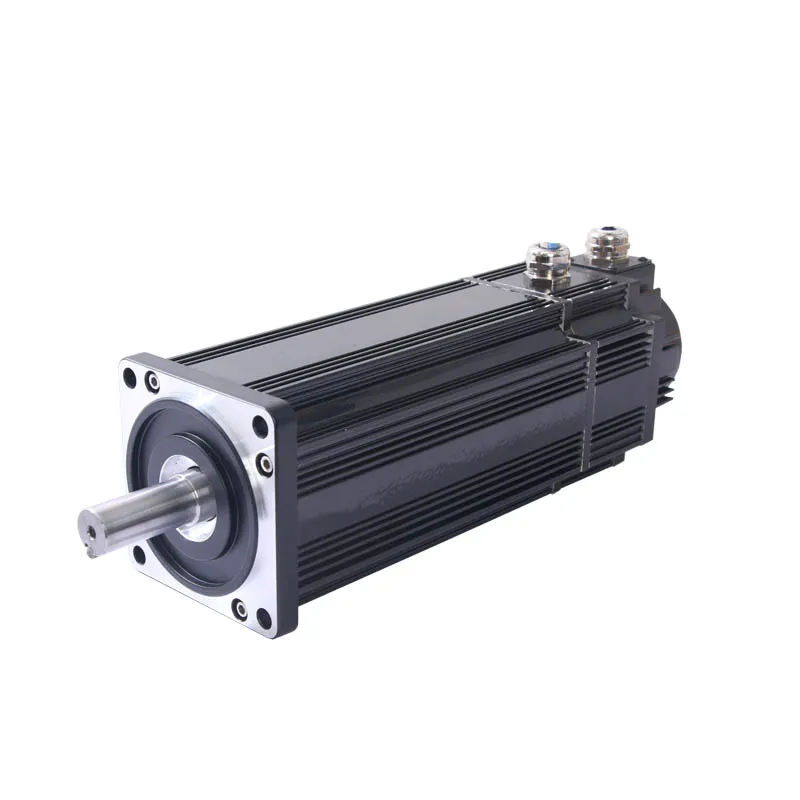
The industrial landscape has undergone a significant transformation in recent decades, with energy efficiency becoming a paramount concern for manufacturers worldwide. Among the various motor technologies available today, permanent magnet synchronous motors have emerged as a revolutionary solution that addresses both performance requirements and environmental sustainability goals. These advanced motors represent a paradigm shift from traditional induction motors, offering superior energy efficiency, precise control, and remarkable durability that make them indispensable in modern industrial applications.

The growing demand for energy-efficient solutions has positioned permanent magnet synchronous motors at the forefront of industrial innovation. Unlike conventional motors that rely on electromagnets to create magnetic fields, these motors utilize powerful permanent magnets embedded in the rotor, eliminating the need for rotor excitation current. This fundamental design difference translates into substantial energy savings, reduced operational costs, and enhanced system reliability across diverse industrial sectors.
Fundamental Design Principles of Permanent Magnet Synchronous Motors
Magnetic Field Generation and Rotor Construction
The core advantage of permanent magnet synchronous motors lies in their unique rotor design, which incorporates high-grade permanent magnets made from materials such as neodymium-iron-boron or samarium-cobalt. These magnets create a constant magnetic field without requiring electrical energy, fundamentally changing how the motor operates compared to traditional designs. The permanent magnets are strategically positioned within the rotor structure, either surface-mounted or embedded within the rotor core, depending on the specific application requirements and performance objectives.
The stator of permanent magnet synchronous motors contains three-phase windings that generate a rotating magnetic field when energized by alternating current. This rotating field interacts with the fixed magnetic field produced by the permanent magnets in the rotor, creating the torque necessary for motor operation. The synchronous nature of this interaction ensures that the rotor rotates at exactly the same speed as the rotating magnetic field, providing precise speed control and eliminating slip losses that are inherent in induction motors.
Electronic Control Systems and Power Electronics
Modern permanent magnet synchronous motors rely on sophisticated electronic control systems that utilize variable frequency drives and advanced power electronics to optimize motor performance. These control systems employ vector control algorithms that can independently control the motor's torque and flux, enabling precise speed and position control while maximizing energy efficiency. The integration of sensors such as encoders or resolvers provides real-time feedback on rotor position and speed, allowing the control system to maintain optimal operating conditions.
The power electronics associated with permanent magnet synchronous motors include insulated gate bipolar transistors and advanced pulse width modulation techniques that convert DC power into precisely controlled three-phase AC power. These systems can adjust the frequency, amplitude, and phase of the electrical supply to match the motor's instantaneous requirements, resulting in highly efficient operation across a wide range of operating conditions.
Energy Efficiency Advantages and Performance Characteristics
Superior Efficiency Ratings and Power Factor
One of the most compelling advantages of permanent magnet synchronous motors is their exceptional energy efficiency, which typically ranges from 95% to 98% across their operating range. This remarkable efficiency stems from the elimination of rotor losses associated with slip and the reduction of stator losses through optimized magnetic flux density. The permanent magnets provide the necessary excitation without consuming electrical power, unlike wound rotor motors that require continuous energy input to maintain the magnetic field.
The power factor of permanent magnet synchronous motors is inherently superior to that of induction motors, often approaching unity or even leading power factor depending on the operating conditions. This improved power factor reduces the reactive power demand from the electrical supply system, resulting in lower current draw for the same mechanical power output. Consequently, facilities using permanent magnet synchronous motors experience reduced electrical losses in their distribution systems and may avoid power factor penalties imposed by utility companies.
Wide Speed Range Operation and Torque Characteristics
Permanent magnet synchronous motors excel in applications requiring wide speed range operation, maintaining high efficiency across their entire operating envelope. Unlike induction motors that experience significant efficiency degradation at low speeds, these motors can operate efficiently from zero speed up to several times their rated speed. This characteristic makes them ideal for applications such as electric vehicles, wind turbines, and industrial machinery that require variable speed operation.
The torque characteristics of permanent magnet synchronous motors are particularly advantageous for energy savings. These motors can produce their rated torque at zero speed, eliminating the need for additional starting equipment or oversized motors to handle starting torque requirements. The flat torque curve across the speed range ensures consistent performance while maintaining optimal energy consumption regardless of the operating point.
Industrial Applications and Implementation Benefits
Manufacturing and Process Industries
Manufacturing industries have increasingly adopted permanent magnet synchronous motors for applications ranging from conveyor systems and pumps to compressors and machine tools. In these applications, the precise speed control and high efficiency of these motors translate directly into improved product quality and reduced energy costs. The ability to maintain constant speed under varying load conditions ensures consistent process parameters, while the high efficiency reduces operational expenses and carbon footprint.
Process industries such as chemical processing, food and beverage, and pharmaceuticals benefit significantly from the reliability and efficiency of permanent magnet synchronous motors. These motors can operate continuously for extended periods without performance degradation, reducing maintenance requirements and increasing system availability. The precise control capabilities enable optimization of process parameters, leading to improved product yield and quality while minimizing energy consumption.
HVAC and Building Automation Systems
Heating, ventilation, and air conditioning systems represent one of the largest energy consumers in commercial and industrial buildings, making them prime candidates for permanent magnet synchronous motor implementation. These motors are particularly effective in variable air volume systems, chilled water pumps, and cooling tower fans where load conditions vary significantly throughout the day. The high efficiency and excellent part-load performance of permanent magnet synchronous motors result in substantial energy savings compared to traditional motor technologies.
Building automation systems can leverage the precise control capabilities of permanent magnet synchronous motors to optimize energy consumption based on real-time demand and environmental conditions. The integration of these motors with intelligent building management systems enables predictive maintenance, energy monitoring, and performance optimization that further enhance their energy-saving benefits.
Economic and Environmental Impact Analysis
Return on Investment and Total Cost of Ownership
The initial investment in permanent magnet synchronous motors is typically higher than conventional induction motors due to the cost of permanent magnets and associated control electronics. However, the total cost of ownership analysis reveals significant long-term savings through reduced energy consumption, lower maintenance requirements, and extended operational life. The payback period for these motors varies depending on the application and operating hours but typically ranges from one to three years in high-utilization applications.
The energy savings achieved by permanent magnet synchronous motors compound over their operational lifetime, which can exceed 20 years with proper maintenance. When combined with reduced maintenance costs due to the absence of brushes and slip rings, and the elimination of rotor heating issues, the total cost of ownership becomes highly favorable compared to traditional motor technologies.
Carbon Footprint Reduction and Sustainability
The environmental benefits of permanent magnet synchronous motors extend beyond direct energy savings to encompass significant carbon footprint reduction. By consuming less electrical energy for the same mechanical output, these motors reduce greenhouse gas emissions associated with electricity generation. In regions where electricity is generated from fossil fuels, the adoption of permanent magnet synchronous motors can contribute substantially to corporate sustainability goals and regulatory compliance.
The longevity and reliability of permanent magnet synchronous motors also contribute to sustainability by reducing the frequency of motor replacements and associated material consumption. The permanent magnets used in these motors can be recycled at the end of the motor's life cycle, further enhancing their environmental credentials and supporting circular economy principles.
Technical Considerations and Selection Criteria
Application-Specific Design Parameters
Selecting the appropriate permanent magnet synchronous motor requires careful consideration of application-specific parameters including torque requirements, speed range, duty cycle, and environmental conditions. The motor's thermal management system must be designed to handle the heat generated by the power electronics and stator windings while protecting the permanent magnets from excessive temperatures that could cause demagnetization.
The control system complexity and cost must be balanced against the performance benefits and energy savings potential of permanent magnet synchronous motors. Applications with constant speed requirements may not fully utilize the advantages of these motors, while variable speed applications with frequent acceleration and deceleration cycles can maximize their benefits.
Integration with Existing Systems
Retrofitting existing installations with permanent magnet synchronous motors requires careful evaluation of the electrical infrastructure, control systems, and mechanical interfaces. The power electronics associated with these motors may require modifications to the electrical distribution system, including harmonic filtering and power factor correction equipment. However, modern motor drives are designed to minimize these requirements and facilitate seamless integration.
The communication capabilities of permanent magnet synchronous motor drives enable integration with industrial automation systems and energy management platforms. This connectivity allows for real-time monitoring, predictive maintenance scheduling, and energy optimization that further enhance the value proposition of these advanced motor technologies.
Future Developments and Technology Trends
Advanced Magnetic Materials and Motor Design
Ongoing research and development in magnetic materials continue to improve the performance and reduce the cost of permanent magnet synchronous motors. New permanent magnet compositions and manufacturing techniques are increasing magnetic strength while reducing material costs and dependence on rare earth elements. Advanced rotor designs incorporating magnetic flux concentration and novel cooling methods are pushing efficiency levels even higher.
The development of high-temperature permanent magnets is expanding the application range of permanent magnet synchronous motors to include harsh industrial environments and automotive applications where thermal stress has previously limited their use. These advances are making permanent magnet synchronous motors more attractive for a broader range of applications and operating conditions.
Smart Motor Technologies and Industry 4.0 Integration
The integration of artificial intelligence and machine learning algorithms into permanent magnet synchronous motor control systems is enabling self-optimizing operation and predictive maintenance capabilities. These smart motor technologies can automatically adjust operating parameters to maximize efficiency while predicting potential failures before they occur, further enhancing the energy savings and reliability benefits.
Industry 4.0 initiatives are driving the development of connected permanent magnet synchronous motors that can communicate with cloud-based analytics platforms and enterprise resource planning systems. This connectivity enables energy consumption tracking, performance benchmarking, and optimization across entire industrial facilities, amplifying the energy savings potential of individual motor installations.
FAQ
How much energy can permanent magnet synchronous motors save compared to induction motors
Permanent magnet synchronous motors typically achieve energy savings of 10% to 30% compared to standard induction motors, depending on the application and operating conditions. The actual savings vary based on factors such as load profile, speed variation requirements, and duty cycle. In applications with significant part-load operation or frequent speed changes, the energy savings can be even higher due to the superior part-load efficiency of permanent magnet synchronous motors.
What maintenance requirements do permanent magnet synchronous motors have
Permanent magnet synchronous motors require minimal maintenance due to their brushless design and absence of slip rings. Regular maintenance typically includes bearing lubrication, cooling system cleaning, and electrical connection inspections. The permanent magnets do not degrade significantly over time, and the electronic control systems are designed for long-term reliability. Most maintenance activities can be scheduled based on operating hours rather than frequent intervals, reducing maintenance costs and system downtime.
Can permanent magnet synchronous motors be used in hazardous environments
Yes, permanent magnet synchronous motors can be designed and manufactured to meet various hazardous area classifications including explosion-proof and intrinsically safe requirements. Special enclosure designs, sealing methods, and material selections ensure safe operation in environments with flammable gases, vapors, or dust. The electronic control systems can be located in safe areas with appropriate cable protection to minimize risks while maintaining the performance advantages of the motor technology.
What factors affect the payback period for permanent magnet synchronous motor investments
The payback period for permanent magnet synchronous motors depends on several key factors including electricity costs, annual operating hours, load characteristics, and the efficiency difference compared to the replaced motor. High-utilization applications with significant load variation and high electricity rates typically provide the shortest payback periods. Additionally, maintenance savings, productivity improvements, and potential utility incentives can further reduce the payback period and improve the overall return on investment.
Table of Contents
- Fundamental Design Principles of Permanent Magnet Synchronous Motors
- Energy Efficiency Advantages and Performance Characteristics
- Industrial Applications and Implementation Benefits
- Economic and Environmental Impact Analysis
- Technical Considerations and Selection Criteria
- Future Developments and Technology Trends
-
FAQ
- How much energy can permanent magnet synchronous motors save compared to induction motors
- What maintenance requirements do permanent magnet synchronous motors have
- Can permanent magnet synchronous motors be used in hazardous environments
- What factors affect the payback period for permanent magnet synchronous motor investments