 EN
EN

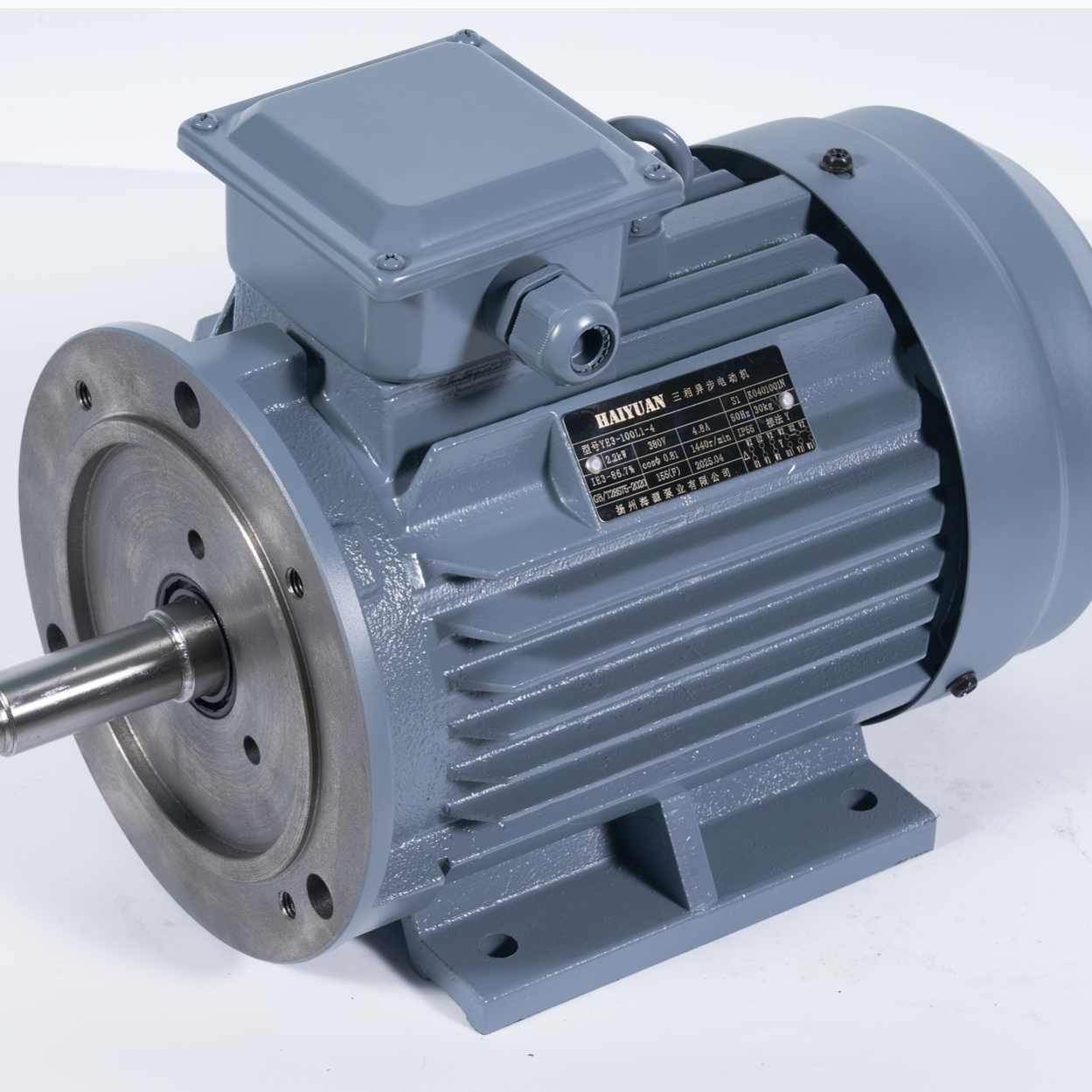
Industrial pumping systems demand exceptional reliability, consistent performance, and minimal maintenance requirements to maintain operational efficiency across diverse applications. Among the various motor technologies available today, squirrel cage motors have established themselves as the gold standard for heavy-duty industrial pump applications. These robust electric motors deliver unmatched durability while providing the torque characteristics essential for demanding pumping operations. The inherent design advantages of squirrel cage motors make them particularly well-suited for continuous operation in challenging industrial environments where downtime can result in significant economic losses.

Engineering Excellence in Motor Design
Rotor Construction and Durability
The fundamental design of squirrel cage motors centers around their unique rotor construction, which eliminates the need for brushes, slip rings, or external connections to the rotating assembly. This closed-rotor design features aluminum or copper bars embedded in laminated steel cores, creating a structure that resembles a squirrel cage when viewed from the end. The absence of moving electrical contacts significantly reduces wear points and maintenance requirements compared to wound-rotor motors or DC alternatives. This construction methodology ensures that squirrel cage motors can operate continuously for years without requiring internal component replacement or adjustment.
The laminated steel construction of the rotor core minimizes eddy current losses while maximizing magnetic efficiency, contributing to the overall energy efficiency of the motor system. The die-cast aluminum or fabricated copper cage bars are permanently secured within the rotor slots, creating a maintenance-free rotating assembly that can withstand thermal cycling and mechanical stress. This robust construction enables squirrel cage motors to maintain consistent performance characteristics throughout their operational lifespan, making them ideal for critical pumping applications where reliability cannot be compromised.
Stator Design and Magnetic Performance
The stator assembly of squirrel cage motors incorporates precision-wound copper windings distributed across laminated steel cores to create optimal magnetic field patterns. The three-phase winding configuration generates a rotating magnetic field that induces currents in the rotor cage, producing the torque necessary for pump operation. Advanced stator designs utilize computer-optimized slot geometries and winding distributions to minimize harmonic distortion and maximize starting torque capabilities. These design improvements ensure that squirrel cage motors can reliably start heavy pump loads under various operating conditions.
Modern stator manufacturing techniques incorporate vacuum pressure impregnation processes that completely seal the windings with high-grade varnish systems, providing superior protection against moisture, chemicals, and thermal degradation. This comprehensive insulation system extends the operational lifespan of squirrel cage motors while maintaining consistent electrical performance in harsh industrial environments. The stator design also incorporates thermal monitoring capabilities and optimized cooling air passages to maintain safe operating temperatures during extended operation periods.
Operational Advantages for Industrial Pumping
Starting Characteristics and Load Handling
One of the most significant advantages of squirrel cage motors lies in their exceptional starting torque characteristics, which are particularly important for industrial pump applications. These motors can develop substantial breakaway torque to overcome static friction in pump assemblies and accelerate connected loads to operating speed efficiently. The inherent slip characteristics of squirrel cage motors provide natural protection against overload conditions, allowing them to handle temporary load increases without immediate damage to the motor windings or mechanical components.
The torque-speed curve of squirrel cage motors exhibits favorable characteristics for pump applications, providing high starting torque followed by relatively constant torque output across the normal operating speed range. This torque profile matches well with the load characteristics of centrifugal pumps, positive displacement pumps, and other industrial pumping equipment. The ability to maintain consistent torque output despite voltage variations or supply frequency fluctuations ensures reliable pump performance under diverse electrical supply conditions commonly encountered in industrial facilities.
Speed Control and Operational Flexibility
Modern squirrel cage motors demonstrate excellent compatibility with variable frequency drive systems, enabling precise speed control for optimized pump performance across varying process requirements. The robust rotor construction allows these motors to operate efficiently across wide speed ranges without mechanical stress or premature wear. Variable speed operation of squirrel cage motors provides significant energy savings in pump applications by matching motor output to actual process demands rather than operating at fixed speeds with throttling valves or bypass systems.
The electromagnetic design of squirrel cage motors responds predictably to frequency variation, maintaining stable operation and consistent torque characteristics across the entire speed control range. This predictable behavior simplifies system integration and control algorithm development for automated pumping systems. The ability to operate squirrel cage motors at reduced speeds during low-demand periods extends equipment lifespan while reducing energy consumption and noise levels in industrial facilities.
Maintenance Benefits and Cost Effectiveness
Reduced Maintenance Requirements
The maintenance advantages of squirrel cage motors stem directly from their simplified construction and elimination of wear-prone components found in other motor technologies. Without brushes, commutators, or slip rings requiring periodic replacement, maintenance schedules for squirrel cage motors focus primarily on bearing lubrication, cooling system cleaning, and periodic electrical testing. This reduced maintenance burden translates to lower lifecycle costs and improved system availability for critical pumping applications where unplanned downtime must be minimized.
Bearing systems in squirrel cage motors typically utilize high-quality grease-lubricated ball bearings or roller bearings designed for extended service intervals. Many industrial-grade squirrel cage motors feature permanently lubricated bearings that require no maintenance for thousands of operating hours. When bearing replacement becomes necessary, the straightforward construction of squirrel cage motors allows for efficient maintenance procedures that can often be completed without removing the motor from its mounting or disconnecting the pump coupling.
Longevity and Return on Investment
The operational lifespan of properly maintained squirrel cage motors often exceeds twenty years in typical industrial pumping applications, providing exceptional return on investment compared to alternative motor technologies. The robust construction and conservative thermal design of these motors enable them to operate reliably under continuous duty cycles while maintaining consistent performance characteristics. This longevity reduces replacement costs and minimizes the disruption associated with motor failures in critical pumping systems.
Energy efficiency improvements in modern squirrel cage motors contribute significantly to their cost-effectiveness over the motor lifespan. High-efficiency designs incorporate premium materials, optimized magnetic circuits, and precision manufacturing techniques that reduce losses and improve power factor. These efficiency gains result in reduced electrical operating costs that often justify the initial investment in high-quality squirrel cage motors within the first few years of operation, particularly in high-duty-cycle pumping applications.
Environmental Adaptability and Performance
Temperature and Climate Resistance
Industrial squirrel cage motors incorporate design features that enable reliable operation across wide temperature ranges and diverse environmental conditions commonly encountered in industrial facilities. The enclosed construction options available for squirrel cage motors provide protection against dust, moisture, and chemical exposure while maintaining adequate cooling airflow for thermal management. Totally enclosed fan-cooled designs ensure consistent cooling performance regardless of ambient conditions or facility ventilation characteristics.
Special environmental ratings for squirrel cage motors address specific industrial challenges such as washdown requirements, explosive atmosphere classifications, and corrosive chemical exposure. These specialized designs maintain the fundamental reliability advantages of standard squirrel cage motors while incorporating enhanced sealing systems, corrosion-resistant materials, and explosion-proof enclosures where required. The adaptability of squirrel cage motors to diverse environmental conditions makes them suitable for pumping applications across industries ranging from chemical processing to food production.
Vibration Resistance and Mechanical Stability
The balanced rotor design and rigid construction of squirrel cage motors provide excellent resistance to vibration and mechanical stress transmitted from connected pump equipment. The symmetrical cage rotor construction inherently minimizes unbalanced magnetic forces that could contribute to vibration or noise generation during operation. Precision manufacturing techniques and dynamic balancing procedures ensure that squirrel cage motors operate smoothly even when connected to pumps experiencing normal operational vibration levels.
Frame designs for industrial squirrel cage motors incorporate reinforced mounting feet, rigid bearing supports, and optimized structural geometries that minimize deflection and maintain shaft alignment under varying load conditions. This mechanical stability contributes to extended bearing life, reduced coupling wear, and improved overall system reliability. The ability of squirrel cage motors to maintain stable operation despite mechanical disturbances makes them particularly well-suited for pumping applications where perfect isolation from vibration sources may not be practical.
Integration with Modern Control Systems
Digital Monitoring and Diagnostics
Contemporary squirrel cage motors designed for industrial pumping applications incorporate advanced monitoring capabilities that enable predictive maintenance strategies and real-time performance optimization. Integrated temperature sensors, vibration monitors, and current signature analysis systems provide continuous feedback on motor condition and operational status. These monitoring systems allow maintenance personnel to identify developing issues before they result in unplanned downtime or equipment damage.
The predictable electrical characteristics of squirrel cage motors make them ideal candidates for motor current signature analysis and other diagnostic techniques that can detect mechanical problems in connected pump equipment. Changes in current patterns, power factor, or vibration signatures often indicate developing issues with pump impellers, bearings, or hydraulic systems that can be addressed during planned maintenance windows. This diagnostic capability extends the value of squirrel cage motors beyond their primary function as reliable power sources.
Network Connectivity and Automation
Modern squirrel cage motors integrate seamlessly with industrial automation networks and building management systems through embedded communication interfaces and smart starter systems. These connectivity options enable remote monitoring, automated control sequences, and energy management strategies that optimize overall system performance. The stable operating characteristics of squirrel cage motors simplify control algorithm development and ensure predictable system responses to automated commands.
Integration with variable frequency drives and soft-start systems enhances the operational flexibility of squirrel cage motors while maintaining their inherent reliability advantages. These control systems can implement sophisticated starting sequences that minimize electrical demand, reduce mechanical stress on pump components, and optimize energy consumption based on real-time process requirements. The compatibility of squirrel cage motors with advanced control technologies ensures their continued relevance in evolving industrial automation environments.
FAQ
What makes squirrel cage motors more reliable than other motor types for pump applications
Squirrel cage motors achieve superior reliability through their simplified construction that eliminates brushes, slip rings, and other wear-prone components found in wound-rotor or DC motors. The die-cast rotor cage and robust bearing systems require minimal maintenance while providing consistent performance over extended operating periods. This design approach reduces potential failure points and enables continuous operation in demanding industrial environments where pump reliability is critical for process continuity.
How do squirrel cage motors perform with variable speed drive systems
Squirrel cage motors demonstrate excellent compatibility with variable frequency drives, maintaining stable torque characteristics and efficient operation across wide speed ranges. The robust rotor construction handles the additional stresses associated with variable frequency operation without premature wear or performance degradation. This compatibility enables energy-efficient pump control strategies that match motor output to actual process demands while preserving the long-term reliability advantages of squirrel cage motor technology.
What are the typical maintenance requirements for squirrel cage motors in pump applications
Maintenance requirements for squirrel cage motors focus primarily on bearing lubrication, cooling system cleaning, and periodic electrical testing rather than replacement of wear components. Most industrial-grade squirrel cage motors feature permanently lubricated bearings that require no maintenance for thousands of operating hours. Regular inspection schedules typically include checking electrical connections, monitoring insulation resistance, and ensuring adequate ventilation airflow to maintain optimal operating conditions.
Can squirrel cage motors handle the starting torque requirements of heavy-duty pumps
Squirrel cage motors provide excellent starting torque characteristics that are well-suited for heavy-duty pump applications, including high-inertia centrifugal pumps and positive displacement pumps with significant breakaway torque requirements. The natural torque-speed curve of squirrel cage motors delivers high starting torque followed by consistent torque output across the operating speed range, matching the load characteristics of most industrial pumping equipment while providing natural overload protection.
Table of Contents
- Engineering Excellence in Motor Design
- Operational Advantages for Industrial Pumping
- Maintenance Benefits and Cost Effectiveness
- Environmental Adaptability and Performance
- Integration with Modern Control Systems
-
FAQ
- What makes squirrel cage motors more reliable than other motor types for pump applications
- How do squirrel cage motors perform with variable speed drive systems
- What are the typical maintenance requirements for squirrel cage motors in pump applications
- Can squirrel cage motors handle the starting torque requirements of heavy-duty pumps