 EN
EN

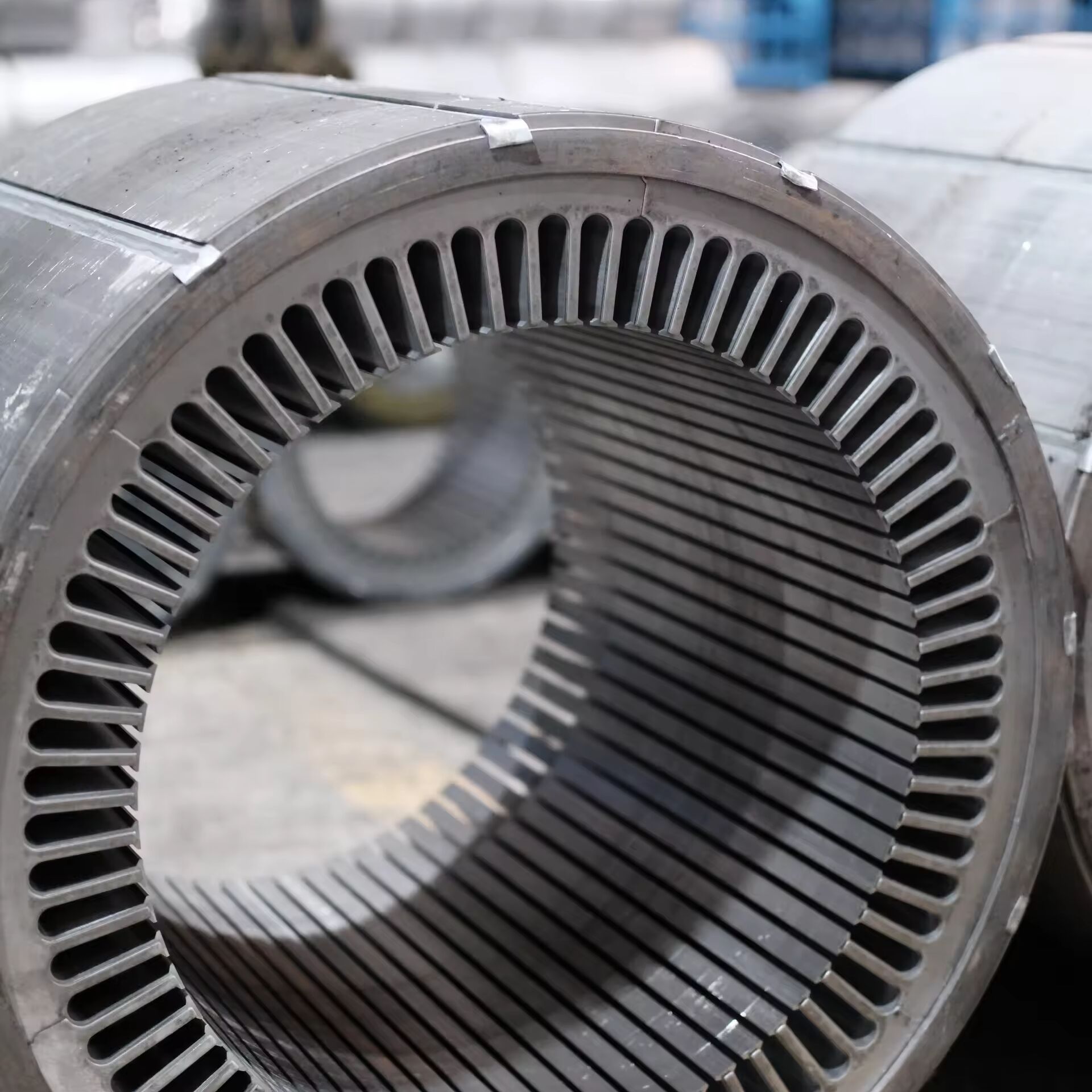
Manufacturing facilities worldwide are under increasing pressure to reduce operational costs while maintaining productivity levels. One of the most effective solutions for achieving substantial energy savings lies in the implementation of advanced motor control technology. A frequency converter represents a game-changing investment that can dramatically reduce your factory's energy consumption by up to 40%, delivering immediate cost benefits while supporting long-term sustainability goals. This sophisticated control system optimizes motor performance by precisely regulating speed and torque, ensuring that energy is used only when and where it's needed most.
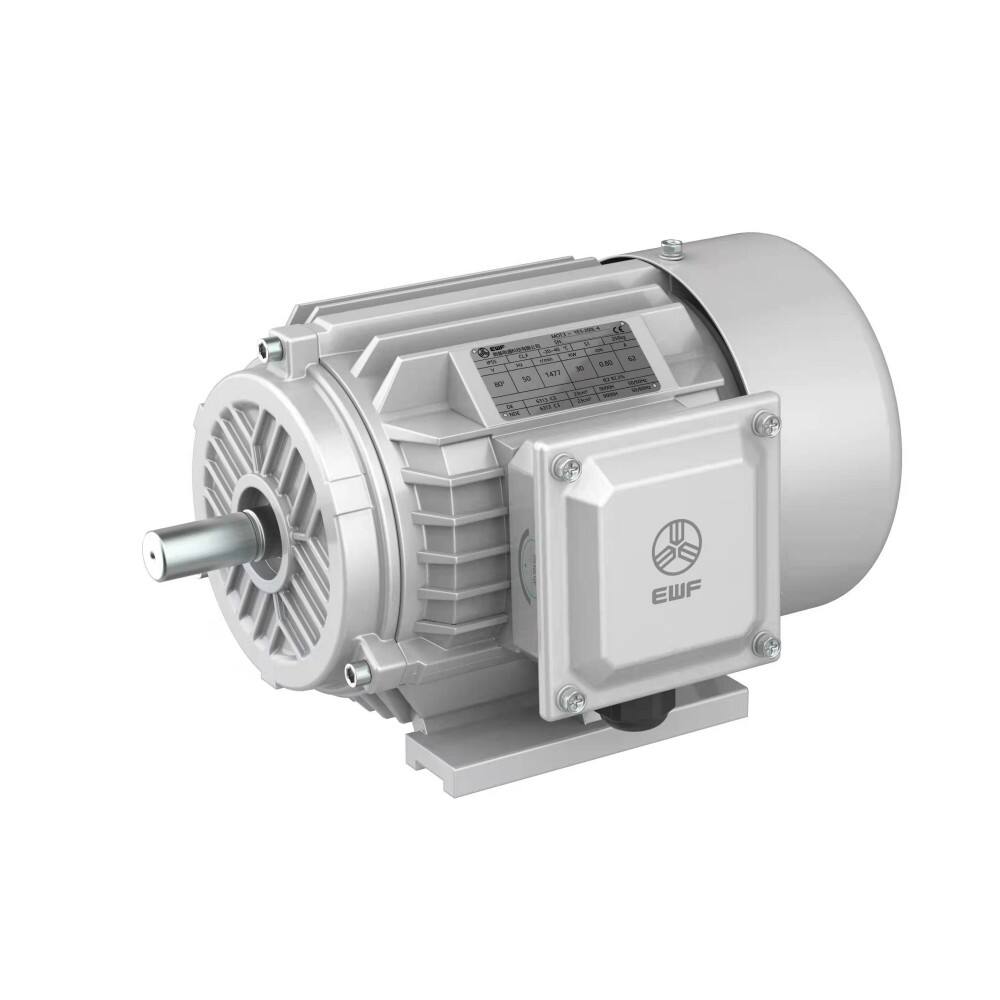
The industrial sector accounts for approximately 37% of global energy consumption, with electric motors consuming nearly 45% of all electricity generated worldwide. Traditional motor control systems operate at fixed speeds, regardless of actual load requirements, resulting in significant energy waste. Modern frequency converter technology addresses this inefficiency by providing variable speed control, allowing motors to operate at optimal performance levels while consuming minimal energy. This intelligent approach to motor management has revolutionized industrial operations across diverse sectors, from manufacturing and processing to HVAC and water treatment applications.
Understanding Frequency Converter Technology
Basic Operating Principles
A frequency converter works by converting incoming alternating current into direct current, then reconverting it back to alternating current with variable frequency and voltage output. This process, known as pulse width modulation, enables precise control over motor speed and torque characteristics. The frequency converter continuously monitors system demand and adjusts motor performance accordingly, ensuring optimal efficiency across all operating conditions. Advanced microprocessor control systems within modern frequency converter units provide real-time feedback and automatic optimization capabilities.
The technology behind frequency converter systems has evolved significantly over the past decade, incorporating sophisticated algorithms that predict load requirements and adjust motor performance proactively. These intelligent systems can analyze historical usage patterns, anticipate demand fluctuations, and optimize energy consumption without compromising operational performance. The integration of IoT connectivity and cloud-based analytics further enhances frequency converter capabilities, enabling remote monitoring and predictive maintenance scheduling.
Key Components and Architecture
Modern frequency converter systems consist of several critical components working in harmony to deliver optimal motor control. The rectifier section converts incoming AC power to DC, while the intermediate circuit filters and stabilizes the DC voltage. The inverter section then reconstructs the AC output with variable frequency and voltage characteristics. Advanced control circuits monitor system parameters continuously, ensuring safe and efficient operation under all conditions.
The control interface of a frequency converter provides operators with comprehensive monitoring and adjustment capabilities. Digital displays show real-time operating parameters, energy consumption data, and system status indicators. Programming interfaces allow for customized operating profiles, enabling optimization for specific applications and load characteristics. Safety features include overcurrent protection, thermal monitoring, and fault diagnosis capabilities that prevent equipment damage and ensure reliable operation.
Energy Efficiency Benefits and Mechanisms
Variable Speed Control Advantages
The primary energy-saving mechanism of a frequency converter lies in its ability to match motor speed precisely to load requirements. Traditional fixed-speed motors operate at constant RPM regardless of actual demand, often consuming significantly more energy than necessary. Variable speed control allows motors to reduce speed during light load conditions, resulting in cubic power savings according to the affinity laws of fluid mechanics. This relationship means that a 20% reduction in speed can yield up to 50% energy savings.
Industrial applications with varying load profiles benefit most dramatically from frequency converter implementation. Pumping systems, fan applications, and conveyor operations typically experience fluctuating demand throughout operational cycles. A frequency converter enables these systems to operate efficiently across the entire demand spectrum, automatically adjusting motor performance to match real-time requirements without manual intervention.
Power Factor Optimization
Beyond variable speed control, frequency converter systems significantly improve overall power factor characteristics of motor-driven equipment. Poor power factor results in increased reactive power consumption, higher utility costs, and reduced system efficiency. Modern frequency converter technology incorporates active power factor correction circuits that maintain near-unity power factor across all operating conditions. This improvement reduces demand charges and enhances overall electrical system efficiency.
The power quality benefits of frequency converter implementation extend beyond individual motor applications to improve facility-wide electrical performance. Reduced harmonic distortion, improved voltage regulation, and enhanced system stability contribute to lower maintenance costs and extended equipment lifespan. These secondary benefits often justify frequency converter investments independent of direct energy savings, particularly in facilities with sensitive electronic equipment or strict power quality requirements.
Implementation Strategies for Maximum Savings
Application Assessment and Prioritization
Successful frequency converter implementation begins with comprehensive assessment of existing motor-driven systems and their operational characteristics. High-energy consumers with variable load profiles represent the most attractive candidates for frequency converter retrofits. Pumping systems, HVAC equipment, and material handling applications typically offer the greatest potential for energy savings and rapid payback periods. Professional energy audits can identify specific applications where frequency converter technology will deliver maximum benefit.
Load profiling and energy consumption analysis provide essential data for frequency converter sizing and selection. Understanding duty cycles, load variations, and operational patterns ensures optimal system design and maximum energy savings potential. Modern frequency converter systems offer sophisticated monitoring capabilities that provide detailed energy consumption data, enabling continuous optimization and performance verification throughout the equipment lifecycle.
System Integration and Configuration
Proper frequency converter integration requires careful consideration of existing electrical infrastructure and mechanical systems. Electrical compatibility, harmonic mitigation, and protection coordination must be addressed during installation planning. Professional installation and commissioning ensure optimal performance and prevent potential issues that could compromise energy savings or equipment reliability. System configuration should account for specific application requirements and operational preferences.
Advanced frequency converter systems offer extensive programmability and customization options that enable optimization for specific industrial applications. Parameter settings for acceleration and deceleration rates, torque limits, and energy-saving modes can be tailored to match operational requirements precisely. Regular performance monitoring and adjustment ensure continued optimal operation and maximum energy efficiency throughout the system lifecycle.
Economic Analysis and Return on Investment
Cost-Benefit Calculations
Frequency converter investments typically deliver attractive returns through direct energy cost savings, reduced maintenance expenses, and extended equipment life. Energy savings calculations should consider current utility rates, expected operating hours, and load characteristics to determine annual cost reductions. Most industrial frequency converter installations achieve payback periods between 12 and 36 months, depending on application specifics and local energy costs.
Beyond direct energy savings, frequency converter implementation provides additional economic benefits through improved process control, reduced mechanical stress, and enhanced operational flexibility. Soft-start capabilities eliminate motor starting surges, reducing electrical demand charges and mechanical wear. Variable speed control enables precise process optimization, often improving product quality and reducing waste generation.
Long-term Financial Impact
The long-term financial benefits of frequency converter technology extend well beyond initial energy savings projections. Reduced mechanical stress on driven equipment results in extended maintenance intervals and lower replacement costs. Improved process control capabilities often enable production optimization and quality improvements that contribute additional value. Environmental compliance benefits and sustainability credentials increasingly influence purchasing decisions and regulatory requirements.
Financing options and utility incentives can significantly improve frequency converter project economics. Many utility companies offer rebates or special financing programs for energy efficiency improvements, reducing initial investment requirements and accelerating payback periods. Tax incentives and depreciation benefits further enhance the financial attractiveness of frequency converter investments, particularly for businesses focused on sustainability and operational efficiency.
Technical Considerations and Best Practices
Selection Criteria and Specifications
Selecting the appropriate frequency converter for specific applications requires careful evaluation of motor characteristics, load requirements, and environmental conditions. Power rating, voltage compatibility, and protection features must match application requirements precisely. Environmental factors such as temperature, humidity, and contamination levels influence frequency converter selection and installation requirements. Professional consultation ensures optimal equipment selection and system design.
Modern frequency converter technology offers various specialized features designed for specific industrial applications. High-performance vector control provides precise torque regulation for demanding applications, while energy-optimized operating modes maximize efficiency in variable load conditions. Communication capabilities enable integration with facility management systems and remote monitoring platforms, enhancing operational visibility and control capabilities.
Installation and Maintenance Requirements
Proper frequency converter installation requires adherence to manufacturer specifications and industry best practices. Adequate ventilation, proper grounding, and electromagnetic compatibility considerations ensure reliable operation and regulatory compliance. Installation should include appropriate protection devices, emergency shutdown capabilities, and operator safety features. Professional commissioning and testing verify proper operation and optimize system performance.
Preventive maintenance programs ensure continued frequency converter reliability and performance throughout the equipment lifecycle. Regular inspection of cooling systems, electrical connections, and control components prevents premature failures and maintains energy efficiency. Modern frequency converter systems include diagnostic capabilities that monitor operating parameters and predict potential maintenance requirements, enabling proactive service scheduling and minimizing unexpected downtime.
Industry Applications and Case Studies
Manufacturing and Processing Industries
Manufacturing facilities across diverse industries have successfully implemented frequency converter technology to achieve substantial energy savings and operational improvements. Automotive production lines utilize frequency converter systems to optimize conveyor speeds, pump operations, and ventilation systems, typically achieving 25-35% energy reductions. Chemical processing plants employ frequency converter technology for precise flow control and energy optimization, often exceeding 40% energy savings in pumping applications.
Food and beverage processing operations benefit significantly from frequency converter implementation, particularly in applications requiring variable speed control for mixing, pumping, and packaging equipment. The ability to adjust processing speeds precisely enables better product quality control while reducing energy consumption. Pharmaceutical manufacturing facilities utilize frequency converter systems to maintain strict environmental controls while optimizing energy usage in clean room ventilation and process equipment.
Infrastructure and Utilities
Water treatment and distribution systems represent ideal applications for frequency converter technology, given the variable nature of demand and the energy-intensive requirements of pumping operations. Municipal water systems have achieved energy savings exceeding 40% through strategic frequency converter implementation, particularly in high-pressure distribution pumps and treatment plant equipment. HVAC systems in large commercial and industrial facilities benefit from frequency converter control of fans, pumps, and compressors.
Building automation systems increasingly incorporate frequency converter technology to optimize energy consumption while maintaining occupant comfort and air quality standards. Integration with building management systems enables automated optimization based on occupancy schedules, weather conditions, and energy pricing structures. These intelligent systems continuously adjust HVAC equipment performance to minimize energy consumption while meeting operational requirements.
Future Developments and Emerging Technologies
Smart Grid Integration
The evolution of frequency converter technology continues with enhanced smart grid integration capabilities and advanced energy management features. Future systems will incorporate machine learning algorithms that continuously optimize energy consumption based on historical patterns, demand forecasting, and real-time energy pricing. Internet of Things connectivity enables remote monitoring, predictive maintenance, and automated optimization across multiple facility locations.
Emerging frequency converter technologies include advanced semiconductor materials that improve efficiency and reduce system footprint. Silicon carbide and gallium nitride semiconductors enable higher switching frequencies and improved thermal performance, resulting in more compact and efficient frequency converter systems. These technological advances will further enhance energy savings potential and expand application possibilities in space-constrained installations.
Sustainability and Environmental Impact
Environmental regulations and sustainability initiatives continue to drive frequency converter adoption across industrial sectors. Carbon footprint reduction requirements and energy efficiency mandates create compelling business cases for frequency converter implementation. The technology plays a crucial role in achieving corporate sustainability goals and regulatory compliance while delivering tangible economic benefits through reduced energy consumption.
Lifecycle assessment studies demonstrate that frequency converter systems deliver positive environmental impact throughout their operational life. The energy savings achieved typically offset manufacturing energy requirements within the first year of operation, resulting in substantial net environmental benefits. Recycling programs for end-of-life frequency converter equipment further enhance sustainability credentials and support circular economy principles.
FAQ
What factors determine the potential energy savings from a frequency converter
Energy savings potential depends primarily on application load characteristics, operating patterns, and current system efficiency. Variable speed applications with frequent load changes offer the greatest savings potential, often exceeding 30-40%. Fixed-speed applications may still benefit from power factor improvement and soft-start capabilities, typically achieving 5-15% energy reductions. Professional energy auditing can provide accurate savings projections for specific applications.
How long does a typical frequency converter installation take
Installation timeframes vary based on system complexity, electrical modifications required, and facility constraints. Simple retrofit installations may require only a few hours, while complex multi-motor systems might take several days for complete installation and commissioning. Planning and preparation significantly influence installation duration, with proper pre-installation assessment enabling efficient project execution and minimal operational disruption.
What maintenance is required for frequency converter systems
Regular maintenance includes inspection of cooling systems, electrical connections, and control components. Most systems require annual inspection and testing, with component replacement intervals typically ranging from 5-10 years depending on operating conditions. Modern frequency converter systems include diagnostic capabilities that monitor component health and predict maintenance requirements, enabling proactive service scheduling and preventing unexpected failures.
Can frequency converters be integrated with existing control systems
Modern frequency converter systems offer extensive communication capabilities and can integrate with most industrial control systems. Standard communication protocols including Modbus, Ethernet, and fieldbus enable seamless integration with existing facility management systems. This connectivity allows for centralized monitoring, automated control, and data logging capabilities that enhance operational efficiency and energy management programs.
Table of Contents
- Understanding Frequency Converter Technology
- Energy Efficiency Benefits and Mechanisms
- Implementation Strategies for Maximum Savings
- Economic Analysis and Return on Investment
- Technical Considerations and Best Practices
- Industry Applications and Case Studies
- Future Developments and Emerging Technologies
- FAQ