 EN
EN

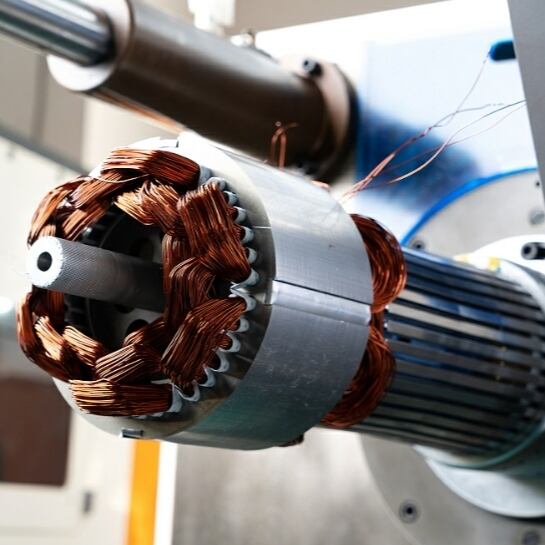
Electric motor efficiency has become a critical factor in modern industrial applications, where energy costs and environmental concerns drive the need for optimized performance. The heart of any electric motor lies in its electromagnetic components, particularly the stator and rotor assembly. Custom stator and rotor designs offer manufacturers the opportunity to achieve superior performance levels that standard off-the-shelf components simply cannot match. By tailoring these core components to specific application requirements, engineers can significantly enhance motor efficiency, reduce energy consumption, and extend operational lifespan.
The customization of electromagnetic components represents a paradigm shift from one-size-fits-all solutions to precision-engineered designs that address specific operational challenges. Modern manufacturing processes enable the creation of highly specialized stator and rotor configurations that optimize magnetic flux density, minimize losses, and enhance thermal management. These custom solutions have proven particularly valuable in applications requiring high torque density, variable speed operation, or extreme environmental conditions where standard components would fail to deliver adequate performance.
Understanding Stator and Rotor Fundamentals
Electromagnetic Principles in Motor Design
The stator serves as the stationary electromagnetic component that generates the rotating magnetic field necessary for motor operation. This critical component consists of laminated steel cores with precision-wound copper or aluminum conductors that create the electromagnetic fields driving rotor rotation. The design parameters of the stator, including slot geometry, winding configuration, and core material selection, directly influence motor efficiency, torque characteristics, and thermal performance. Modern stator designs incorporate advanced materials and manufacturing techniques to minimize eddy current losses and optimize magnetic permeability.
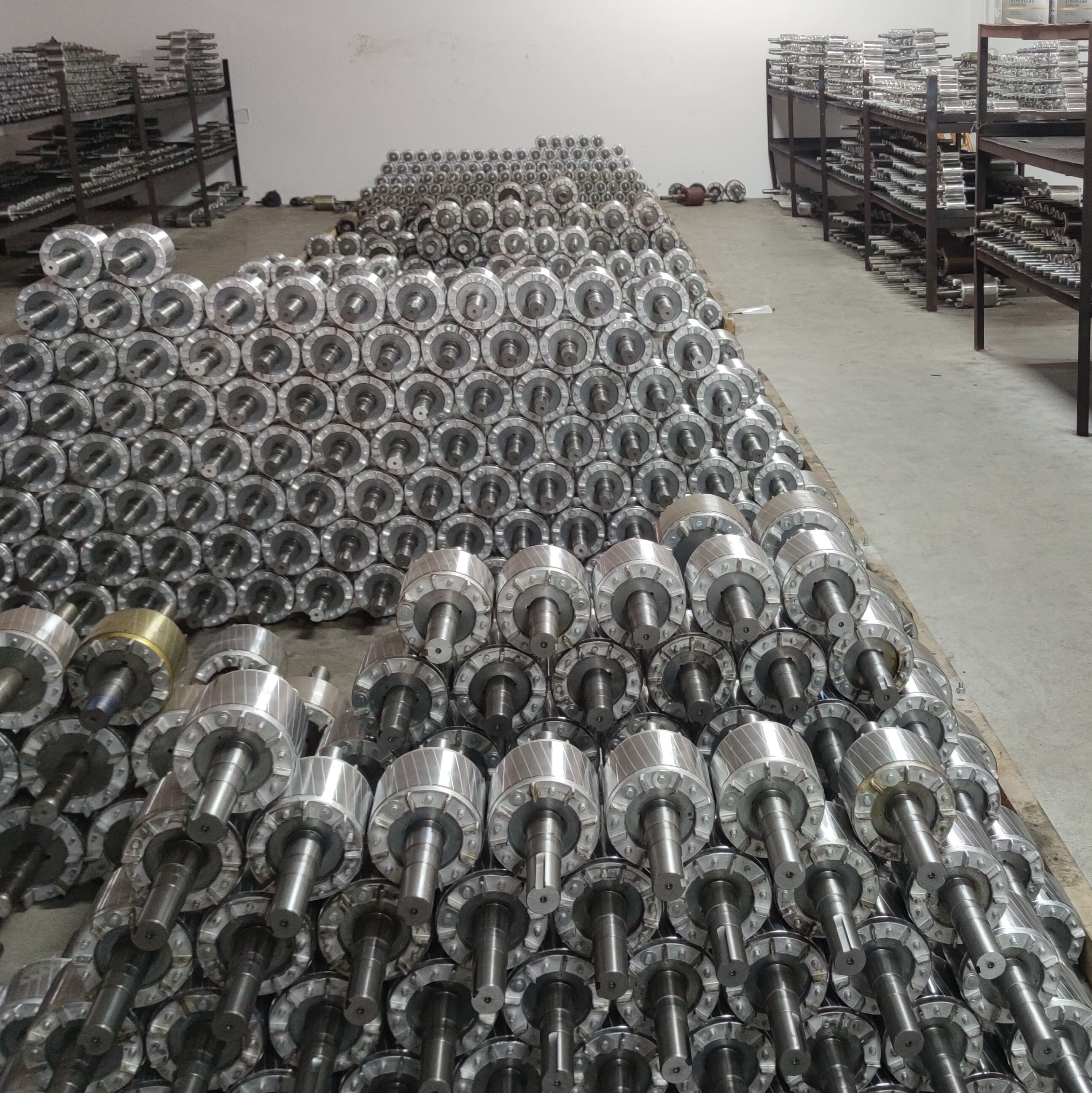
Rotor design complexity varies significantly depending on motor type, with squirrel cage, wound rotor, and permanent magnet configurations each offering distinct advantages. The rotor must efficiently interact with the stator's magnetic field while minimizing losses due to resistance, hysteresis, and mechanical friction. Custom rotor designs can incorporate specialized materials, unique slot configurations, and advanced cooling features that significantly improve overall motor performance. The precise balance between rotor inertia, magnetic coupling, and thermal characteristics determines the motor's dynamic response and efficiency profile.
Material Selection and Manufacturing Considerations
Advanced electrical steel alloys form the foundation of high-performance stator and rotor cores, with grain-oriented materials offering superior magnetic properties for specific applications. The lamination thickness, insulation quality, and stacking techniques directly impact core losses and overall motor efficiency. Custom designs often incorporate premium silicon steel grades or specialized alloys that provide enhanced magnetic permeability and reduced hysteresis losses compared to standard materials. Manufacturing precision in core fabrication ensures optimal magnetic coupling and minimal air gap variations that could degrade performance.
Conductor materials and winding techniques represent another critical customization area, where copper conductors offer superior electrical conductivity compared to aluminum alternatives. Custom winding patterns can optimize slot fill factors, reduce end turn losses, and improve thermal management through strategic conductor placement. Advanced insulation systems enable higher operating temperatures and improved reliability, while specialized coating technologies protect against environmental factors such as moisture, chemicals, and temperature extremes. The integration of these materials and manufacturing processes creates electromagnetic components that far exceed standard component capabilities.
Performance Benefits of Custom Electromagnetic Components
Efficiency Improvements and Energy Savings
Custom stator and rotor designs can achieve efficiency improvements of 3-8% compared to standard components, translating to substantial energy savings over the motor's operational lifetime. These efficiency gains result from optimized magnetic flux paths, reduced core losses, and minimized copper losses through improved conductor utilization. The precise matching of electromagnetic characteristics to load requirements eliminates the inefficiencies associated with oversized or mismatched standard components. Advanced design software enables engineers to model and optimize every aspect of electromagnetic performance before manufacturing begins.
Energy savings from custom electromagnetic components compound over time, with industrial motors typically operating for decades under continuous or frequent duty cycles. The reduction in heat generation associated with improved efficiency translates to lower cooling requirements, reduced HVAC costs, and extended component life. Many organizations find that the initial investment in custom stator and rotor components pays for itself within 18-36 months through reduced energy costs and maintenance requirements. The environmental benefits of reduced energy consumption align with corporate sustainability goals and regulatory compliance requirements.
Enhanced Torque Characteristics and Speed Control
Custom electromagnetic designs enable precise tuning of torque-speed characteristics to match specific application requirements, eliminating the performance compromises inherent in standard motor designs. High-torque applications benefit from optimized slot geometries and conductor arrangements that maximize magnetic coupling while maintaining thermal stability. Variable speed applications can incorporate specialized rotor designs that maintain high efficiency across wide speed ranges, reducing the need for complex control systems or mechanical speed reduction devices.
Advanced rotor designs can incorporate features such as deep bar effects for improved starting torque or specialized skewing patterns to reduce torque ripple and noise. Custom stator winding configurations enable precise control of magnetic field harmonics, resulting in smoother operation and reduced vibration levels. These performance enhancements prove particularly valuable in precision positioning systems, high-speed machinery, and applications requiring low acoustic emissions. The ability to fine-tune electromagnetic characteristics provides system designers with unprecedented flexibility in optimizing overall machine performance.
Application-Specific Design Optimization
Industrial Automation and Robotics
Industrial automation systems demand precise motion control, high reliability, and compact form factors that standard motor designs often cannot provide effectively. Custom stator and rotor configurations enable the development of servo motors with exceptional dynamic response characteristics and positioning accuracy. The optimization of magnetic coupling and rotor inertia allows for rapid acceleration and deceleration cycles without compromising positioning precision or generating excessive heat. Advanced cooling features integrated into custom designs enable continuous operation under demanding duty cycles.
Robotic applications particularly benefit from custom electromagnetic components that provide high torque-to-weight ratios and precise speed control capabilities. The integration of specialized feedback systems and custom winding configurations enables seamless integration with advanced control algorithms and sensor systems. Custom designs can incorporate features such as reduced cogging torque for smooth low-speed operation or enhanced thermal management for extended continuous operation. These performance characteristics prove essential in applications such as pick-and-place systems, welding robots, and precision assembly equipment.
Renewable Energy and Electric Vehicles
The renewable energy sector relies heavily on custom electromagnetic components to optimize generator performance in wind turbines, hydroelectric systems, and other clean energy applications. Custom generator stators and rotors enable precise matching of electromagnetic characteristics to variable input conditions, maximizing energy capture efficiency across diverse operating conditions. The incorporation of advanced materials and cooling systems allows for compact, lightweight designs that reduce installation and maintenance costs while improving system reliability.
Electric vehicle applications demand custom motor designs that optimize efficiency, power density, and thermal management within strict weight and space constraints. Custom stator designs can incorporate advanced cooling channels and specialized winding configurations that enable high-power operation while maintaining compact form factors. Rotor designs for electric vehicles often incorporate permanent magnet configurations optimized for wide speed ranges and regenerative braking capabilities. The integration of these custom components enables electric vehicles to achieve superior range, performance, and reliability compared to systems using standard motor components.
Design Process and Engineering Considerations
Electromagnetic Modeling and Simulation
Modern electromagnetic design begins with sophisticated finite element analysis software that models magnetic flux distributions, loss mechanisms, and thermal characteristics with exceptional accuracy. These simulation tools enable engineers to optimize stator slot geometry, winding configurations, and rotor bar placement before any physical prototypes are manufactured. Advanced modeling capabilities include transient analysis for dynamic performance prediction, thermal modeling for cooling system optimization, and acoustic analysis for noise reduction. The iterative design process allows for rapid exploration of multiple design alternatives and optimization of performance trade-offs.
Multiphysics simulation environments integrate electromagnetic, thermal, and mechanical analyses to provide comprehensive performance predictions for custom designs. These tools enable the optimization of complex interactions between electromagnetic forces, heat generation, and structural dynamics that would be impossible to predict through analytical methods alone. The validation of simulation results through prototype testing ensures that final designs meet or exceed performance specifications while identifying any manufacturing or operational challenges before full-scale production begins.
Manufacturing Integration and Quality Control
The transition from custom design to manufacturing requires careful consideration of production capabilities, tooling requirements, and quality control processes. Advanced manufacturing techniques such as laser cutting, precision stamping, and automated winding systems enable the cost-effective production of custom electromagnetic components while maintaining tight tolerances. The development of specialized tooling and fixtures ensures consistent quality and reduces manufacturing variability that could impact performance. Statistical process control methods monitor critical dimensions and material properties throughout the manufacturing process.
Quality assurance programs for custom electromagnetic components include comprehensive testing protocols that verify electrical, magnetic, and mechanical characteristics. Advanced testing equipment measures parameters such as core losses, magnetic permeability, conductor resistance, and insulation integrity to ensure compliance with design specifications. Accelerated life testing and environmental stress screening identify potential failure modes and verify long-term reliability under operating conditions. These quality control measures ensure that custom components deliver consistent performance throughout their operational lifetime.
Cost-Benefit Analysis and ROI Considerations
Initial Investment and Manufacturing Economics
The initial investment in custom electromagnetic components typically includes design engineering costs, tooling development, and prototype validation expenses that can range from moderate to substantial depending on complexity and performance requirements. However, advances in design software and manufacturing automation have significantly reduced these upfront costs while improving design accuracy and manufacturing efficiency. Volume production economics often favor custom designs when production quantities exceed threshold levels that justify tooling investments and setup costs.
Manufacturing cost analysis must consider not only material and labor expenses but also the value of performance improvements and operational benefits that custom designs provide. The elimination of oversizing penalties, reduced energy consumption, and extended component life often justify the premium associated with custom electromagnetic components. Strategic partnerships with specialized manufacturers can provide access to advanced capabilities and economies of scale that make custom solutions more cost-effective than initially apparent.
Lifecycle Cost Analysis and Value Creation
Comprehensive lifecycle cost analysis reveals that custom electromagnetic components often provide superior value despite higher initial costs through reduced operating expenses, maintenance requirements, and replacement frequency. Energy savings alone can justify custom design investments in many applications, particularly where motors operate continuously or under high-duty cycles. The improved reliability and extended lifespan of custom components reduce maintenance costs and minimize unplanned downtime that can be extremely costly in critical applications.
Value creation extends beyond direct cost savings to include performance improvements that enable new capabilities or competitive advantages. Custom designs can enable machines to operate at higher speeds, carry greater loads, or achieve precision levels that would be impossible with standard components. These performance enhancements often translate to increased productivity, improved product quality, or access to new market opportunities that provide substantial returns on the custom design investment. The strategic value of custom electromagnetic components often exceeds their direct financial benefits through enabling technological differentiation and competitive positioning.
FAQ
What applications benefit most from custom stator and rotor designs
Applications with demanding performance requirements, high duty cycles, or unique operating conditions benefit most from custom electromagnetic components. Industrial automation, renewable energy systems, electric vehicles, and precision machinery applications typically see the greatest performance improvements and cost savings from custom designs. Systems requiring high efficiency, precise speed control, or operation in extreme environments are particularly well-suited for custom electromagnetic solutions.
How do custom electromagnetic components improve motor efficiency
Custom stator and rotor designs improve motor efficiency by optimizing magnetic flux paths, reducing core and copper losses, and precisely matching electromagnetic characteristics to load requirements. Advanced materials, optimized geometries, and specialized manufacturing techniques minimize energy losses while maximizing useful power output. These improvements typically result in efficiency gains of 3-8% compared to standard components, with corresponding reductions in heat generation and energy consumption.
What is the typical payback period for custom electromagnetic component investments
Payback periods for custom electromagnetic components typically range from 18-36 months for most industrial applications, depending on operating hours, energy costs, and performance improvements achieved. High-duty cycle applications and systems with significant energy costs often see shorter payback periods, while specialized or low-volume applications may have longer return periods. The total lifecycle value often extends well beyond the initial payback period through continued energy savings and reduced maintenance costs.
How do design requirements affect custom electromagnetic component costs
Design complexity, performance specifications, material requirements, and production volumes are the primary factors affecting custom electromagnetic component costs. Highly specialized materials, tight tolerances, or unique geometries increase design and manufacturing expenses, while larger production volumes reduce per-unit costs through economies of scale. The cost premium for custom components typically decreases as production volumes increase and design complexity is optimized for manufacturability.