 EN
EN

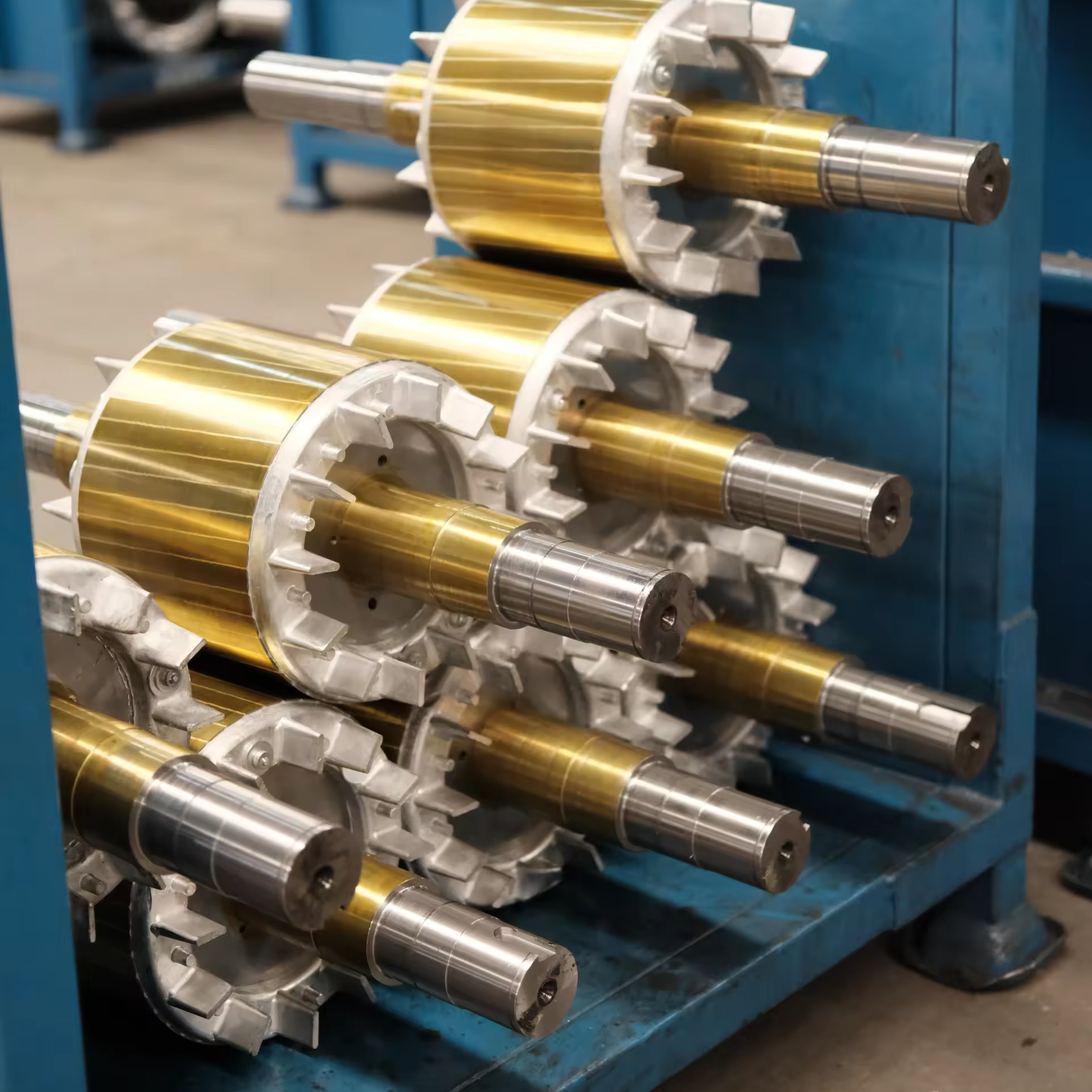
Finding a reliable supplier for customized stator and rotor components is crucial for manufacturers in the electric motor industry. These electromagnetic components form the heart of electric motors, generators, and various rotating machinery applications. The quality, precision, and reliability of your customized stator and rotor directly impact the performance, efficiency, and longevity of your final products. With increasing demand for specialized motor solutions across industries ranging from automotive to renewable energy, selecting the right manufacturing partner becomes a strategic decision that can determine your competitive advantage in the market.
Understanding Stator and Rotor Manufacturing Requirements
Technical Specifications and Design Complexity
Customized stator and rotor manufacturing involves intricate engineering processes that require precise understanding of electromagnetic principles, material science, and advanced manufacturing techniques. The stator typically consists of laminated steel cores with carefully wound copper coils, while the rotor design varies significantly depending on motor type and application requirements. Manufacturers must demonstrate expertise in handling various rotor configurations, including squirrel cage, wound rotor, and permanent magnet designs. The complexity of these components demands suppliers who can work with tight tolerances, often within micrometers, and maintain consistent quality across production runs.
Modern applications require stators and rotors that can operate efficiently under extreme conditions, from high-temperature automotive environments to precision medical equipment. Your supplier should demonstrate comprehensive knowledge of materials such as silicon steel laminations, rare earth magnets, and specialized insulation systems. They must also understand the relationship between design parameters like slot geometry, winding patterns, and magnetic flux density to optimize performance for specific applications. This technical depth ensures that your customized components will meet or exceed performance expectations while maintaining manufacturing feasibility.
Quality Standards and Certification Requirements
Industry certifications serve as fundamental indicators of a supplier's commitment to quality and process control. Look for manufacturers holding ISO 9001:2015 certification as a baseline requirement, but also seek additional certifications relevant to your industry. Automotive suppliers should possess IATF 16949 certification, while aerospace applications may require AS9100 compliance. These certifications demonstrate that the supplier maintains documented quality management systems, conducts regular internal audits, and follows continuous improvement practices essential for consistent production of high-quality customized stator and rotor assemblies.
Beyond certifications, evaluate the supplier's quality control processes throughout the manufacturing chain. This includes incoming material inspection protocols, in-process monitoring systems, and final testing procedures. Advanced suppliers utilize statistical process control methods, automated inspection systems, and comprehensive testing equipment to verify electrical, mechanical, and thermal properties of finished components. The ability to provide detailed quality documentation, including material certificates, dimensional reports, and performance test results, demonstrates a professional approach to quality management that protects your brand reputation.
Evaluating Manufacturing Capabilities and Technology
Production Equipment and Automation Level
State-of-the-art manufacturing equipment directly correlates with the precision and consistency achievable in customized stator and rotor production. Evaluate potential suppliers based on their investment in modern CNC machining centers, automated winding equipment, and precision assembly systems. Advanced stator winding machines with programmable controls ensure consistent coil placement and tension, while automated balancing equipment guarantees rotor dynamic performance. The presence of computer-controlled lamination stacking systems indicates capability to maintain precise stack heights and minimize air gaps that could compromise motor efficiency.
Manufacturing flexibility represents another critical factor when selecting suppliers for customized components. Look for facilities equipped with multiple production lines capable of handling various product sizes and configurations. This versatility enables efficient prototype development, smooth transition to production, and accommodation of future design modifications. Suppliers with integrated manufacturing capabilities, including in-house machining, heat treatment, and surface finishing operations, typically offer better cost control, shorter lead times, and improved quality coordination across all manufacturing processes.
Design and Engineering Support Services
Comprehensive engineering support distinguishes exceptional suppliers from basic manufacturing providers. Seek partners offering design optimization services using finite element analysis software, electromagnetic simulation tools, and thermal modeling capabilities. These advanced engineering resources enable optimization of your customized stator and rotor designs for maximum efficiency, reduced material costs, and enhanced performance characteristics. Experienced engineering teams can also provide valuable design for manufacturability feedback, helping avoid costly production issues and ensuring smooth transition from prototype to volume production.
Value-added engineering services might include custom tooling development, process optimization recommendations, and ongoing technical support throughout the product lifecycle. Suppliers with dedicated application engineers familiar with your industry can provide insights into emerging technologies, material innovations, and manufacturing techniques that could benefit your future projects. This collaborative approach creates long-term partnerships that extend beyond simple component supply relationships, fostering innovation and competitive advantage in your market segment.
Assessing Supplier Reliability and Business Stability
Financial Health and Business Longevity
Financial stability of your customized stator and rotor supplier directly impacts their ability to maintain consistent production, invest in technology improvements, and support long-term customer relationships. Research potential suppliers' financial health through public records, industry reports, and direct financial disclosures when available. Established companies with steady revenue growth, manageable debt levels, and diverse customer portfolios typically offer lower supply chain risk compared to newer or financially stressed organizations. Consider requesting financial references or working with suppliers who provide financial transparency as part of their qualification process.
Business longevity often correlates with accumulated expertise, refined processes, and established supplier networks essential for consistent component quality. Companies with decades of experience in electromagnetic component manufacturing have typically weathered various market cycles, technological transitions, and industry challenges. This experience translates into better risk management, more stable pricing, and deeper understanding of customer needs across different applications. However, balance experience with innovation capability, ensuring your supplier continues investing in new technologies and process improvements rather than relying solely on legacy methods.
Supply Chain Management and Risk Mitigation
Robust supply chain management becomes increasingly critical as customized stator and rotor components often require specialized materials with limited supplier bases. Evaluate potential partners' supplier diversification strategies, inventory management practices, and contingency planning for material shortages or quality issues. Suppliers maintaining strategic raw material inventories and established relationships with multiple material sources demonstrate better ability to maintain production schedules during market disruptions or supply chain challenges.
Geographic considerations also play important roles in supply chain reliability and risk assessment. While global sourcing can offer cost advantages, regional suppliers may provide better communication, shorter lead times, and reduced exposure to international trade disruptions. Assess each supplier's risk mitigation strategies, including business continuity plans, insurance coverage, and backup production capabilities. Some manufacturers maintain multiple production facilities or strategic partnerships that enable continued production even during localized disruptions such as natural disasters or infrastructure failures.
Cost Considerations and Value Analysis
Total Cost of Ownership Evaluation
Comprehensive cost analysis extends beyond initial unit prices to encompass total cost of ownership throughout the product lifecycle. Factor in development costs, tooling expenses, quality-related costs, and ongoing support requirements when comparing potential suppliers for customized stator and rotor components. Lower initial pricing might not represent the best value if it results in higher defect rates, longer development cycles, or limited technical support. Calculate the total investment required including engineering support, prototype development, production tooling, and any required quality assurance activities.
Consider long-term cost implications such as supplier stability, price escalation patterns, and potential for cost reduction through process improvements or design optimization. Established suppliers often provide more predictable pricing structures and demonstrated ability to achieve cost reductions through continuous improvement initiatives. Evaluate suppliers' willingness to engage in cost reduction partnerships, share efficiency gains, and invest in process improvements that benefit both parties over time. This collaborative approach often yields better long-term value compared to purely transactional relationships focused solely on initial pricing.
Payment Terms and Commercial Arrangements
Favorable commercial terms can significantly impact cash flow and project economics, particularly for large-volume customized stator and rotor applications. Negotiate payment terms that align with your production schedules and cash flow requirements while remaining fair to suppliers. Consider progressive payment structures for development projects, volume-based pricing tiers, and long-term agreement benefits. Some suppliers offer financing options for tooling investments or provide consignment inventory arrangements that reduce working capital requirements while ensuring material availability.
Intellectual property considerations become particularly important when working with suppliers on customized designs. Establish clear agreements regarding design ownership, confidentiality protections, and any shared intellectual property rights. Some suppliers may offer more favorable pricing in exchange for broader usage rights to developed technologies, while others maintain strict confidentiality and assign all rights to customers. Balance these considerations based on your competitive strategy and the strategic importance of specific design innovations to your market position.
Communication and Customer Service Excellence
Project Management and Communication Protocols
Effective communication forms the foundation of successful customized stator and rotor development projects, where complex technical requirements must be clearly understood and accurately implemented. Evaluate potential suppliers' communication protocols, project management systems, and responsiveness to technical inquiries. Look for suppliers who assign dedicated project managers, maintain regular communication schedules, and provide detailed progress reports throughout development and production phases. Clear communication channels help prevent misunderstandings, reduce development time, and ensure that final products meet all specified requirements.
Language capabilities and cultural alignment can significantly impact communication effectiveness, particularly for complex technical projects requiring detailed specifications and frequent design iterations. Suppliers with multilingual technical staff or dedicated customer support teams often provide smoother project execution and faster problem resolution. Time zone considerations may also affect communication efficiency, especially during critical project phases requiring real-time collaboration. Assess each supplier's communication infrastructure, including video conferencing capabilities, collaborative software platforms, and document sharing systems that facilitate efficient project coordination.
Technical Support and After-Sales Service
Comprehensive technical support extends throughout the entire product lifecycle, from initial design consultation through production support and potential field service requirements. Evaluate suppliers' technical support capabilities, including availability of application engineers, field service technicians, and customer support staff. Responsive technical support can dramatically reduce downtime, accelerate problem resolution, and provide valuable optimization recommendations based on field performance data. Some suppliers maintain global support networks with local representatives who can provide on-site assistance when required.
After-sales service capabilities become particularly important for customized components where replacement parts or modifications may be required years after initial production. Assess suppliers' ability to maintain production tooling, preserve design documentation, and provide ongoing spare parts support. Consider their policies regarding design modifications, running changes, and obsolescence management. Suppliers with comprehensive service offerings often provide better long-term partnerships and reduced total cost of ownership through proactive support and continuous improvement initiatives.
FAQ
What qualifications should I look for in a customized stator and rotor supplier?
Look for suppliers with relevant industry certifications such as ISO 9001:2015, IATF 16949 for automotive applications, or AS9100 for aerospace requirements. They should demonstrate technical expertise through qualified engineering staff, modern manufacturing equipment, and proven experience with similar applications. Financial stability, established quality management systems, and comprehensive technical support capabilities are also essential qualifications for reliable long-term partnerships.
How can I verify the quality capabilities of potential suppliers?
Request detailed information about their quality control processes, testing equipment, and statistical process control methods. Ask for customer references and case studies demonstrating successful projects similar to your requirements. Consider conducting facility audits to observe manufacturing processes, quality systems, and equipment capabilities firsthand. Review their quality documentation, including material certificates, dimensional reports, and performance test results from recent projects to assess their attention to detail and process control.
What factors affect lead times for customized stator and rotor components?
Lead times depend on design complexity, material availability, tooling requirements, and production scheduling. Custom tooling development typically requires 4-8 weeks, while complex designs may need additional engineering validation time. Material procurement for specialized components can extend timelines, particularly for rare earth magnets or custom steel laminations. Suppliers' production capacity, order backlog, and seasonal demand patterns also influence delivery schedules. Clear communication of requirements and early supplier engagement help optimize lead times.
How should I evaluate pricing for customized electromagnetic components?
Compare total cost of ownership rather than just unit prices, including development costs, tooling expenses, quality-related costs, and ongoing support requirements. Consider volume pricing tiers, long-term agreement benefits, and potential for cost reduction through design optimization or process improvements. Factor in suppliers' payment terms, intellectual property arrangements, and any value-added services provided. Request detailed cost breakdowns to understand pricing components and identify opportunities for optimization through design or specification modifications.