 EN
EN

Understanding the Revolution of Low Speed Motors in Modern Industry
The industrial automation landscape is experiencing a remarkable transformation, with low speed motors emerging as a cornerstone of efficiency and sustainability. These specialized motors, operating at reduced rotational speeds, are fundamentally changing how manufacturing facilities and processing plants approach their operations. As industries worldwide seek to optimize their processes while reducing energy consumption, low speed motors have become an increasingly vital component in achieving these objectives.
The significance of low speed motors extends far beyond simple power transmission. These innovative devices represent a crucial advancement in motion control technology, offering unprecedented levels of precision, torque control, and energy efficiency. By operating at lower speeds without the need for additional reduction mechanisms, these motors are revolutionizing industrial applications across diverse sectors.
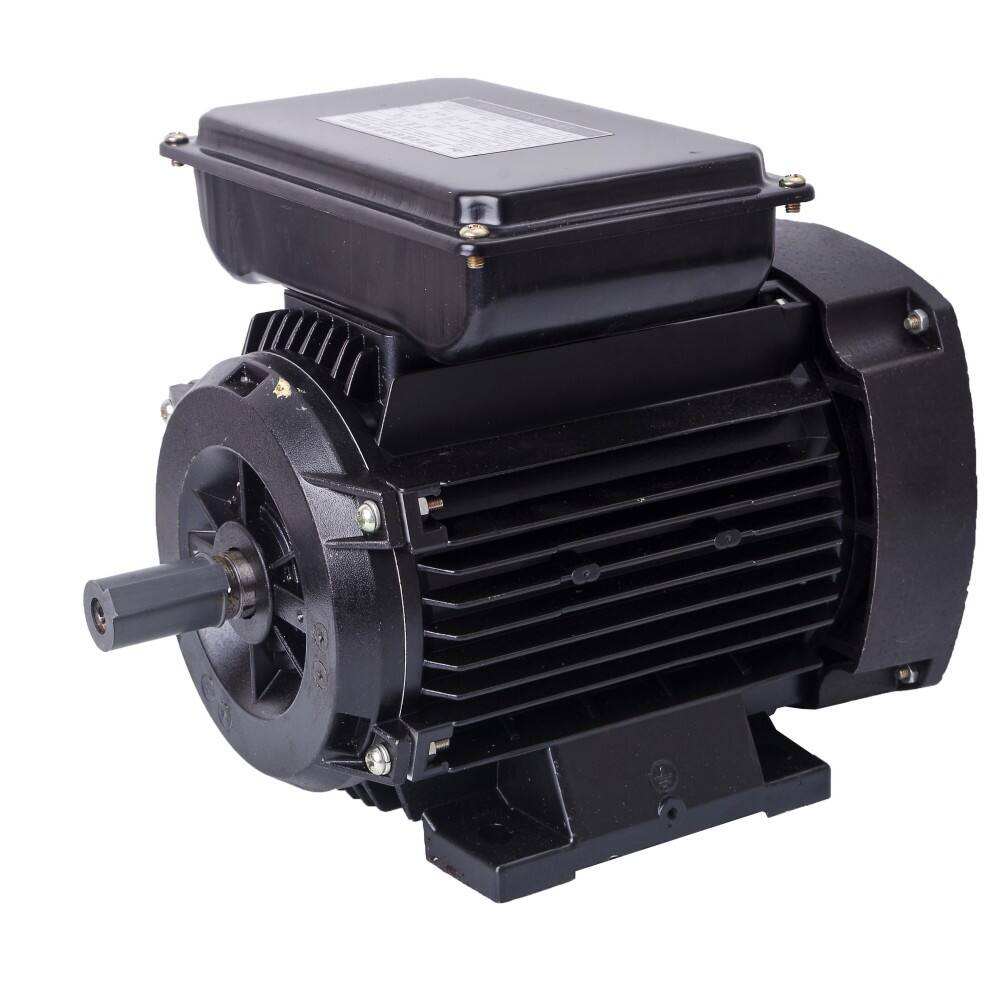
Core Benefits of Low Speed Motor Implementation
Enhanced Energy Efficiency and Cost Reduction
Low speed motors demonstrate remarkable energy efficiency compared to their high-speed counterparts coupled with reduction gearboxes. By eliminating the need for speed reduction mechanisms, these motors minimize power losses associated with mechanical transmission. This direct drive approach results in significant energy savings, often reducing power consumption by 15-30% in typical industrial applications.
The financial implications of implementing low speed motors are substantial. While the initial investment might be higher, the reduced maintenance requirements and lower energy consumption lead to impressive long-term cost savings. Many facilities report a return on investment within 18-24 months, making these motors an economically sound choice for industrial automation.
Improved Reliability and Reduced Maintenance
One of the most compelling advantages of low speed motors lies in their mechanical simplicity. Without the need for gearboxes or complex reduction systems, these motors have fewer wearing parts and potential failure points. This simplified design translates to extended service life and reduced maintenance requirements, allowing facilities to maintain consistent production schedules with minimal interruptions.
Maintenance costs are significantly lower with low speed motors, as they eliminate the need for regular gearbox maintenance, oil changes, and mechanical adjustments. This reduction in maintenance requirements not only saves money but also reduces downtime, contributing to improved overall operational efficiency.
Technical Innovations in Low Speed Motor Design
Advanced Magnetic Materials and Construction
Modern low speed motors benefit from revolutionary advances in magnetic materials and construction techniques. The implementation of rare-earth magnets and sophisticated lamination designs has enabled manufacturers to create motors that deliver exceptional torque at low speeds while maintaining high efficiency levels. These innovations have resulted in more compact and powerful motors that can meet demanding industrial requirements.
The use of advanced materials has also contributed to improved thermal management and increased power density. These developments allow low speed motors to operate reliably in challenging industrial environments while delivering consistent performance under varying load conditions.
Integration of Smart Technology
The latest generation of low speed motors incorporates sophisticated control systems and monitoring capabilities. These smart features enable precise speed control, position tracking, and real-time performance monitoring. The integration of Industrial Internet of Things (IIoT) technology allows these motors to communicate valuable operational data, facilitating predictive maintenance and optimization of industrial processes.
Advanced control algorithms and feedback systems ensure that low speed motors maintain optimal performance under varying load conditions. This level of control precision is particularly valuable in applications requiring exact positioning or precise speed regulation.
Applications and Industry Impact
Manufacturing Process Optimization
Low speed motors have transformed manufacturing processes across numerous industries. In conveyor systems, these motors provide smooth, controlled operation that reduces wear on components and improves product handling. The precise speed control capabilities enable manufacturers to optimize production lines for different products and operating conditions, enhancing overall productivity.
The food and beverage industry, in particular, has benefited from the implementation of low speed motors in mixing, conveying, and packaging applications. The ability to maintain exact speeds and provide high torque at low speeds has improved product quality while reducing energy consumption.
Renewable Energy Applications
The renewable energy sector has embraced low speed motors, particularly in wind power generation. These motors serve as efficient generators in wind turbines, converting mechanical energy into electrical power with minimal losses. The direct drive approach eliminates the need for gearboxes, reducing maintenance requirements and improving reliability in challenging environmental conditions.
Solar tracking systems also benefit from low speed motors, as they require precise, reliable movement throughout the day. The efficiency and durability of these motors make them ideal for long-term operation in outdoor installations.
Future Trends and Developments
Emerging Technologies and Innovations
The future of low speed motors looks promising, with ongoing research focusing on further improvements in efficiency and performance. Developments in materials science and manufacturing techniques are expected to yield motors with even higher power density and improved thermal characteristics. Additionally, advances in permanent magnet technology may lead to more cost-effective solutions while maintaining high performance levels.
Integration with artificial intelligence and machine learning systems is another emerging trend, enabling more sophisticated control strategies and predictive maintenance capabilities. These developments will further enhance the value proposition of low speed motors in industrial automation.
Sustainability and Environmental Impact
As industries increasingly focus on sustainability, low speed motors are playing a crucial role in reducing environmental impact. Their higher efficiency and reduced maintenance requirements contribute to lower carbon emissions and reduced waste. Furthermore, the longer service life of these motors means fewer replacements and less manufacturing-related environmental impact.
The adoption of low speed motors aligns with global initiatives for energy efficiency and sustainable industrial practices. As environmental regulations become stricter, these motors will become increasingly important in helping industries meet their sustainability goals.
Frequently Asked Questions
What makes low speed motors more efficient than traditional high-speed motors with gearboxes?
Low speed motors achieve higher efficiency by eliminating power losses associated with mechanical reduction systems. Their direct drive design reduces friction losses and mechanical complexity, resulting in better energy utilization and reduced heat generation during operation.
How do low speed motors contribute to reduced maintenance costs?
By eliminating gearboxes and other mechanical reduction components, low speed motors have fewer wearing parts and potential failure points. This simplification results in less frequent maintenance requirements, reduced downtime, and lower overall maintenance costs throughout the motor's lifecycle.
What is the typical return on investment period for implementing low speed motors?
While initial costs may be higher, most facilities achieve a return on investment within 18-24 months through reduced energy consumption, lower maintenance costs, and improved operational efficiency. The exact payback period depends on factors such as application requirements, usage patterns, and local energy costs.
Are low speed motors suitable for all industrial applications?
While low speed motors offer numerous advantages, their suitability depends on specific application requirements. They excel in applications requiring high torque at low speeds, precise control, and continuous operation. However, some applications may still benefit from traditional motor-gearbox combinations based on cost considerations or specific operational requirements.
Table of Contents
- Understanding the Revolution of Low Speed Motors in Modern Industry
- Core Benefits of Low Speed Motor Implementation
- Technical Innovations in Low Speed Motor Design
- Applications and Industry Impact
- Future Trends and Developments
-
Frequently Asked Questions
- What makes low speed motors more efficient than traditional high-speed motors with gearboxes?
- How do low speed motors contribute to reduced maintenance costs?
- What is the typical return on investment period for implementing low speed motors?
- Are low speed motors suitable for all industrial applications?