 EN
EN

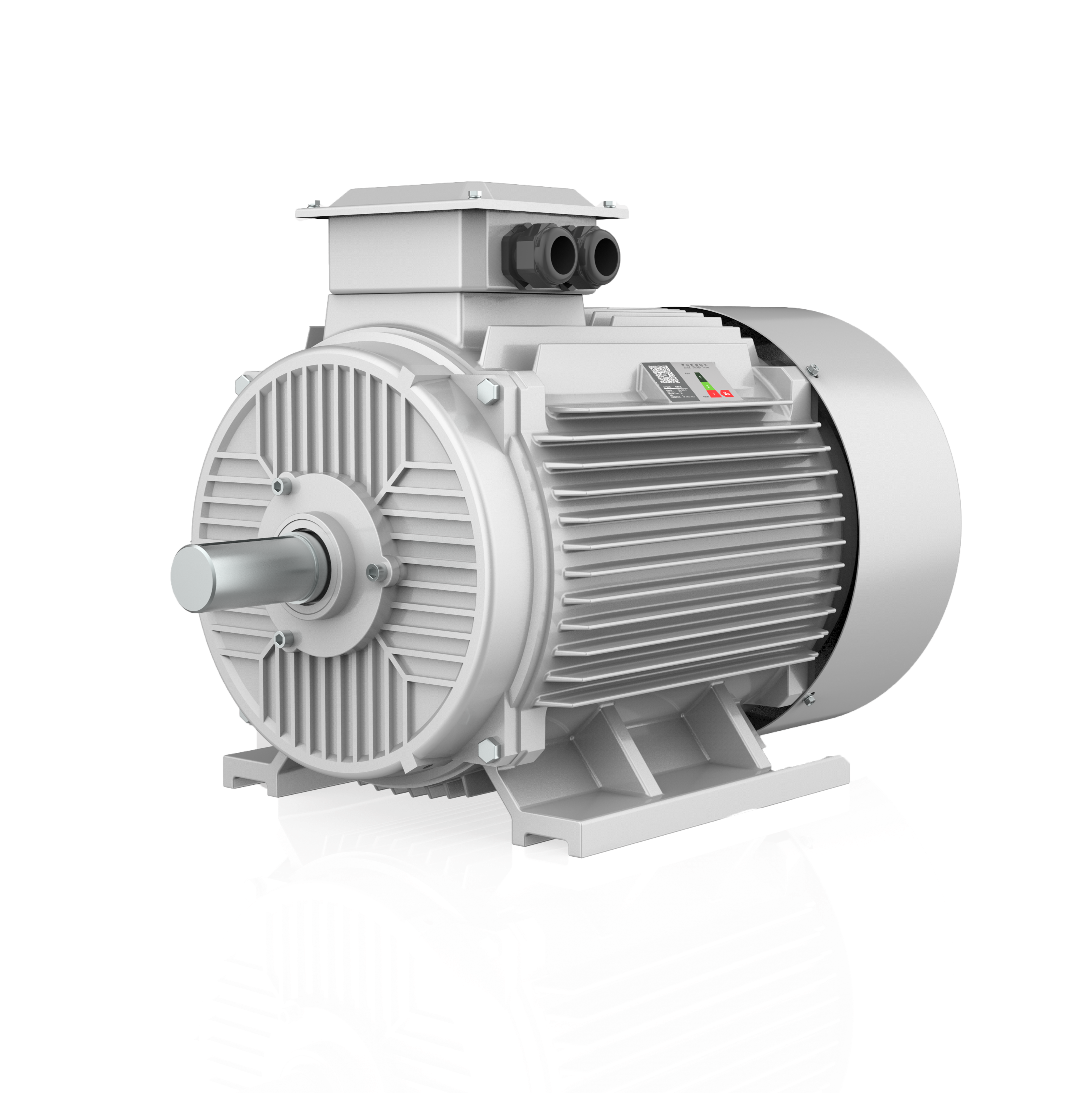
Power plants rely heavily on high-voltage motors to maintain continuous operations and ensure reliable electricity generation. These critical components face extreme operating conditions, including high temperatures, voltage fluctuations, and demanding duty cycles that can significantly impact their longevity. Ensuring long-term stability when using high-voltage motors in power generation facilities requires a comprehensive approach that encompasses proper selection, installation, maintenance, and monitoring practices. The reliability of these motors directly affects plant efficiency, operational costs, and overall power grid stability.

Understanding High-Voltage Motor Fundamentals in Power Plant Applications
Electrical Characteristics and Operating Parameters
High-voltage motors in power plants typically operate at voltages ranging from 3.3kV to 13.8kV, requiring specialized insulation systems and robust construction. These motors must handle significant power loads while maintaining precise speed control and torque characteristics. The electrical design of high-voltage motors incorporates multiple insulation layers, advanced winding configurations, and sophisticated cooling systems to manage heat dissipation. Understanding these fundamental characteristics is essential for ensuring optimal performance and preventing premature failures in power plant environments.
The voltage stress distribution within high-voltage motors presents unique challenges that differ significantly from low-voltage applications. Insulation systems must withstand not only the nominal operating voltage but also transient overvoltages caused by switching operations, lightning strikes, and system faults. Modern high-voltage motors employ vacuum pressure impregnation processes and premium insulation materials to achieve the required dielectric strength and thermal stability needed for power plant applications.
Environmental Challenges in Power Plant Settings
Power plant environments subject high-voltage motors to numerous harsh conditions that can accelerate wear and reduce operational lifespan. High ambient temperatures, humidity variations, dust accumulation, and chemical contaminants create challenging operating environments that require careful consideration during motor selection and installation. Vibration from adjacent equipment, electromagnetic interference, and frequent start-stop cycles further compound these environmental stresses.
Corrosive gases and airborne particles common in power plant atmospheres can penetrate motor enclosures and degrade internal components over time. Proper enclosure selection, filtration systems, and environmental sealing become critical factors in maintaining high-voltage motors stability. Understanding these environmental challenges allows plant operators to implement appropriate protective measures and extend motor service life significantly.
Critical Design Considerations for Long-Term Reliability
Insulation System Selection and Configuration
The insulation system represents the most critical component affecting long-term stability of high-voltage motors in power plant applications. Class F or Class H insulation systems are typically specified for these demanding applications, providing enhanced thermal capability and aging resistance. The insulation design must account for thermal cycling, voltage stress, mechanical forces, and environmental contamination throughout the motor's expected service life.
Advanced insulation technologies, including mica-based systems and epoxy resin impregnation, offer superior performance characteristics for high-voltage motors. These materials provide excellent dielectric strength, thermal stability, and resistance to partial discharge activity. Proper insulation thickness, quality control during manufacturing, and appropriate testing procedures ensure the insulation system can withstand the electrical and thermal stresses encountered in power plant operations.
Mechanical Design and Structural Integrity
Mechanical design factors significantly influence the long-term stability of high-voltage motors in power plant environments. Robust bearing systems, precision rotor balancing, and adequate shaft sizing ensure mechanical reliability under varying load conditions. The motor frame construction must provide sufficient rigidity to minimize vibration and maintain proper air gap tolerances throughout the operating life.
Thermal expansion considerations become particularly important for large high-voltage motors operating in power plants. Differential expansion between rotor and stator components can create mechanical stresses that affect motor performance and longevity. Proper design accommodation for thermal growth, including flexible coupling arrangements and bearing configurations, prevents mechanical binding and extends motor service life.
Installation Best Practices for Optimal Performance
Foundation and Mounting Requirements
Proper foundation design and mounting procedures are essential for achieving long-term stability of high-voltage motors in power plant installations. Concrete foundations must be designed to minimize vibration transmission while providing adequate support for the motor's weight and operating forces. Foundation settling, thermal expansion, and dynamic loading must be considered during the design phase to prevent alignment issues and premature bearing wear.
Precision alignment between high-voltage motors and driven equipment is critical for preventing excessive vibration and mechanical stress. Laser alignment techniques and proper shimming procedures ensure optimal shaft alignment under both cold and hot operating conditions. Regular alignment verification and adjustment procedures should be established as part of the preventive maintenance program.
Electrical Installation and Connection Practices
Electrical installation practices significantly impact the long-term reliability and safety of high-voltage motors in power plant applications. Proper cable selection, termination techniques, and grounding systems are essential for preventing electrical failures and ensuring personnel safety. High-voltage cable installations require specialized materials and installation procedures to maintain insulation integrity and prevent corona discharge.
Surge protection devices and voltage monitoring systems should be installed to protect high-voltage motors from transient overvoltages and system disturbances. Proper grounding electrode systems and equipotential bonding ensure electrical safety and reduce the risk of ground fault damage. Cable pulling techniques and bend radius limitations must be strictly observed to prevent insulation damage during installation.
Comprehensive Maintenance Strategies
Preventive Maintenance Programs
Implementing comprehensive preventive maintenance programs is crucial for ensuring long-term stability of high-voltage motors in power plant operations. Regular inspection schedules should include visual examinations, vibration monitoring, thermal imaging, and electrical testing to identify potential issues before they result in catastrophic failures. Maintenance intervals should be based on manufacturer recommendations, operating conditions, and historical performance data.
Lubrication programs for high-voltage motors require careful attention to bearing types, operating temperatures, and environmental conditions. Proper lubricant selection, quantity control, and contamination prevention are essential for bearing longevity. Oil analysis programs can provide early warning of bearing degradation and contamination issues, allowing for proactive maintenance interventions.
Condition Monitoring Technologies
Advanced condition monitoring technologies enable real-time assessment of high-voltage motors health and performance in power plant applications. Vibration analysis systems can detect bearing wear, rotor unbalance, and mechanical looseness before they cause significant damage. Temperature monitoring of bearings, windings, and cooling air provides early indication of thermal problems and cooling system failures.
Electrical condition monitoring techniques, including partial discharge testing and insulation resistance measurements, provide valuable insights into the health of high-voltage motors insulation systems. Online monitoring systems can continuously assess insulation condition and provide trending data to predict remaining service life. Motor current signature analysis can detect rotor bar defects, air gap eccentricity, and load variations that may impact long-term reliability.
Power Quality and Protection Systems
Voltage Quality Management
Power quality issues significantly impact the long-term stability and performance of high-voltage motors in power plant environments. Voltage unbalance, harmonic distortion, and frequency variations can cause additional heating, vibration, and electrical stress that reduces motor lifespan. Implementing power quality monitoring systems and corrective measures helps maintain optimal operating conditions for high-voltage motors.
Voltage regulation systems and power factor correction equipment help stabilize the electrical supply to high-voltage motors and improve overall system efficiency. Harmonic filters may be necessary to reduce distortion levels and prevent resonance conditions that could damage motor insulation. Regular power quality assessments ensure that electrical supply conditions remain within acceptable limits for motor operation.
Protection System Design and Implementation
Comprehensive protection systems are essential for preventing damage to high-voltage motors during abnormal operating conditions. Overcurrent protection, ground fault detection, and differential protection schemes provide multiple layers of protection against electrical faults. Thermal protection systems monitor winding temperatures and provide automatic shutdown before dangerous temperature levels are reached.
Under-voltage and phase loss protection prevent high-voltage motors from operating under conditions that could cause severe damage. Locked rotor protection and restart inhibit functions prevent prolonged starting attempts that could overheat motor windings. Coordination between protection devices ensures selective operation and minimizes unnecessary system disruptions while maintaining adequate protection for high-voltage motors.
Cooling System Optimization
Air Cooling System Design and Maintenance
Effective cooling systems are critical for maintaining optimal operating temperatures and ensuring long-term stability of high-voltage motors in power plant applications. Air-cooled systems require proper ventilation design, filter maintenance, and airflow monitoring to prevent overheating and contamination buildup. Regular cleaning of cooling passages and heat transfer surfaces maintains thermal efficiency and prevents hot spot formation.
Ambient temperature variations in power plant environments require careful consideration of cooling system capacity and control strategies. Variable speed cooling fans and temperature-based control systems optimize cooling efficiency while minimizing energy consumption. Backup cooling systems may be necessary for critical applications to ensure continued operation during primary cooling system maintenance or failures.
Liquid Cooling Systems and Heat Exchangers
Large high-voltage motors in power plant applications often utilize liquid cooling systems for enhanced heat removal and improved temperature control. Water or oil cooling systems require regular maintenance of heat exchangers, pumps, and filtration systems to maintain optimal thermal performance. Coolant quality monitoring and treatment programs prevent corrosion and deposit formation that could impair heat transfer efficiency.
Heat exchanger design and sizing must account for fouling factors and cleaning requirements in power plant environments. Regular inspection and cleaning procedures maintain heat transfer effectiveness and prevent cooling system degradation. Temperature monitoring and alarm systems provide early warning of cooling system problems that could affect high-voltage motors performance and longevity.
Troubleshooting and Failure Analysis
Common Failure Modes and Root Cause Analysis
Understanding common failure modes of high-voltage motors in power plant applications enables proactive maintenance strategies and improved reliability. Insulation failures, bearing problems, and rotor issues represent the most frequent causes of motor failures in these demanding environments. Systematic root cause analysis procedures help identify underlying factors that contribute to premature failures and guide corrective actions.
Electrical failures in high-voltage motors often result from insulation degradation, partial discharge activity, or voltage stress concentrations. Environmental factors, thermal cycling, and contamination accelerate insulation aging and reduce dielectric strength. Proper failure analysis techniques, including insulation resistance testing, polarization index measurements, and physical inspection, help determine failure mechanisms and prevent recurrence.
Diagnostic Testing and Assessment Procedures
Comprehensive diagnostic testing programs provide essential information about the condition and remaining service life of high-voltage motors in power plant operations. Electrical tests, including insulation resistance, polarization index, and step voltage testing, assess insulation system integrity. Mechanical tests, such as vibration analysis and shaft deflection measurements, evaluate rotor condition and bearing health.
Advanced diagnostic techniques, including partial discharge testing and motor current signature analysis, provide detailed insights into internal motor conditions without requiring disassembly. These non-invasive testing methods enable condition-based maintenance decisions and help optimize maintenance intervals. Regular diagnostic testing establishes baseline data and trending information that supports predictive maintenance strategies for high-voltage motors.
FAQ
What are the most critical factors affecting high-voltage motor longevity in power plants?
The most critical factors include insulation system quality, cooling system effectiveness, environmental protection, power quality, and maintenance practices. Proper selection of insulation materials rated for the operating environment, adequate cooling capacity to manage thermal loads, and comprehensive preventive maintenance programs significantly impact motor service life. Environmental factors such as temperature, humidity, contamination, and vibration also play crucial roles in determining long-term reliability of high-voltage motors in power plant applications.
How often should high-voltage motors in power plants undergo comprehensive testing?
Comprehensive testing frequency depends on motor criticality, operating conditions, and manufacturer recommendations, but typically ranges from annually to every three years. Critical motors supporting essential power plant operations may require more frequent testing, while motors in less demanding services may have extended intervals. Condition monitoring data and historical performance trends should guide testing intervals, with immediate testing recommended whenever abnormal conditions or performance changes are detected.
What role does power quality play in high-voltage motor stability?
Power quality significantly impacts high-voltage motors performance, efficiency, and longevity through various mechanisms. Voltage unbalance causes additional heating and mechanical stress, while harmonic distortion increases losses and vibration. Voltage fluctuations affect torque production and can cause mechanical stress, while frequency variations impact cooling system effectiveness. Maintaining high power quality through proper system design, monitoring, and corrective measures is essential for optimizing high-voltage motors stability and service life.
What are the warning signs that indicate potential high-voltage motor problems?
Warning signs include increased vibration levels, abnormal noise, elevated temperatures, reduced efficiency, changes in power consumption, and unusual odors. Electrical indicators such as increased ground fault current, insulation resistance degradation, and partial discharge activity may precede major failures. Regular monitoring of these parameters through condition monitoring systems enables early detection and preventive maintenance interventions before catastrophic failures occur in high-voltage motors serving power plant operations.
Table of Contents
- Understanding High-Voltage Motor Fundamentals in Power Plant Applications
- Critical Design Considerations for Long-Term Reliability
- Installation Best Practices for Optimal Performance
- Comprehensive Maintenance Strategies
- Power Quality and Protection Systems
- Cooling System Optimization
- Troubleshooting and Failure Analysis
-
FAQ
- What are the most critical factors affecting high-voltage motor longevity in power plants?
- How often should high-voltage motors in power plants undergo comprehensive testing?
- What role does power quality play in high-voltage motor stability?
- What are the warning signs that indicate potential high-voltage motor problems?