 EN
EN

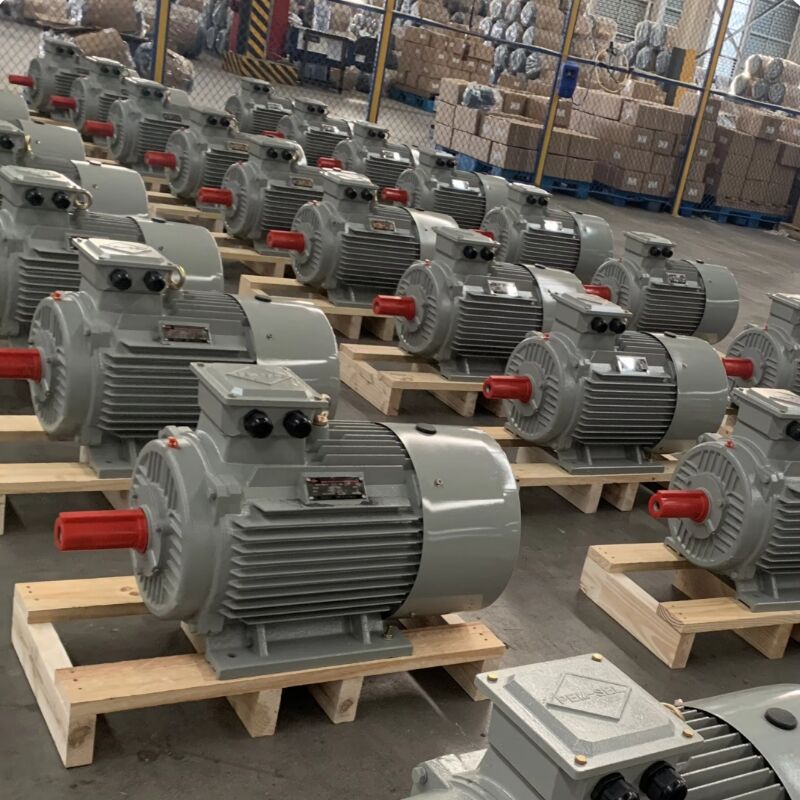
Robotic arm precision depends significantly on the quality and specifications of the drive components, particularly the planetary gear reducer that controls motion accuracy and torque transmission. Modern industrial applications demand exceptional positioning accuracy, smooth operation, and reliable performance from robotic systems. Selecting the appropriate planetary gear reducer requires careful consideration of multiple technical parameters, application requirements, and environmental factors to ensure optimal performance in automated manufacturing environments.
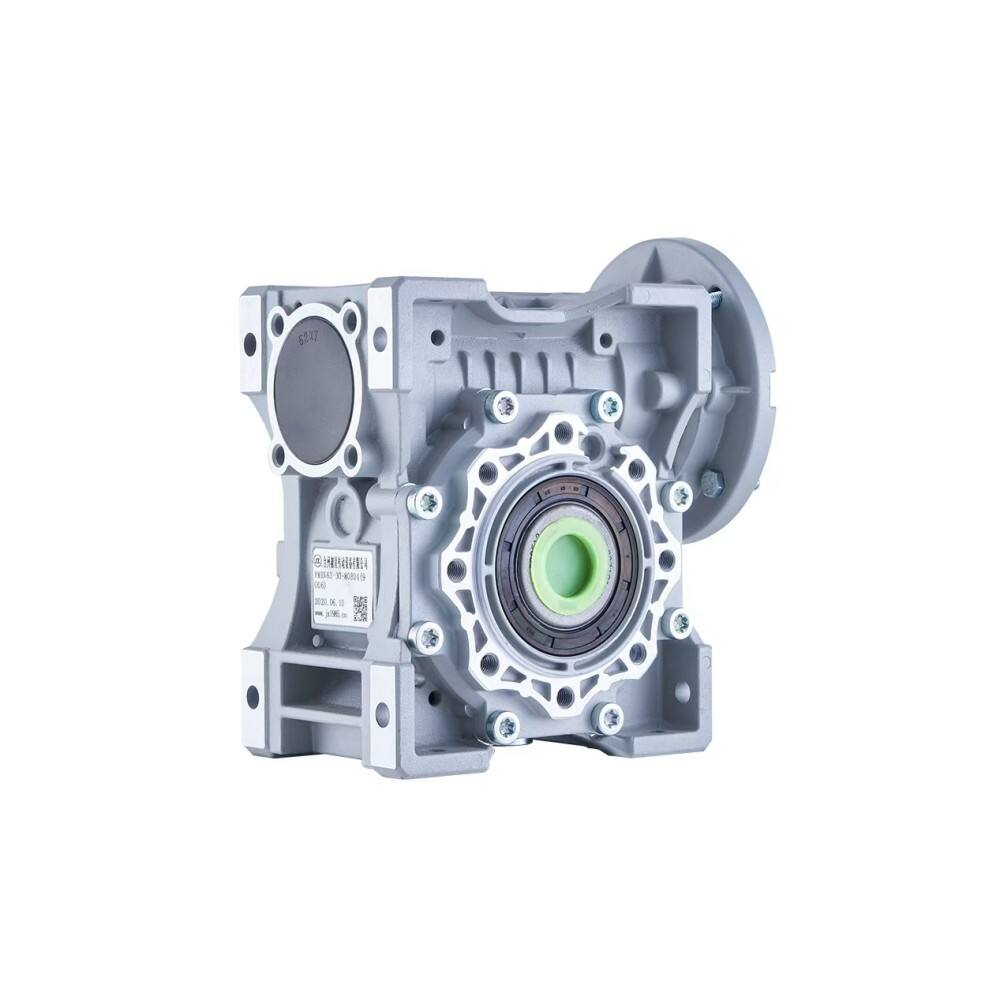
Understanding Planetary Gear Reducer Fundamentals
Basic Operating Principles
A planetary gear reducer operates through a sophisticated arrangement of gears that includes a central sun gear, multiple planet gears, and an outer ring gear. This configuration allows for high torque multiplication while maintaining compact dimensions essential for robotic applications. The planetary gear reducer achieves exceptional efficiency ratings typically exceeding 95% through its distributed load sharing mechanism across multiple gear meshes simultaneously.
The kinematic advantages of planetary gear systems stem from their ability to provide multiple reduction ratios within a single stage while maintaining coaxial input and output arrangements. This design characteristic makes planetary gear reducers particularly suitable for robotic joints where space constraints and weight limitations are critical considerations. The load distribution across multiple planet gears also contributes to enhanced durability and reduced vibration levels during operation.
Key Performance Characteristics
Precision robotic applications require planetary gear reducers with minimal backlash, typically less than 1 arcminute for high-accuracy positioning tasks. The backlash specification directly impacts the robot's ability to maintain precise positioning and follow programmed trajectories accurately. Advanced planetary gear reducer designs incorporate preloaded gear arrangements and precision manufacturing tolerances to minimize backlash while ensuring smooth operation throughout the service life.
Torsional rigidity represents another crucial performance parameter that affects dynamic response characteristics of robotic systems. Higher torsional rigidity values enable faster acceleration and deceleration cycles while maintaining positional accuracy during rapid movements. The planetary gear reducer design inherently provides superior torsional rigidity compared to other reducer types due to its symmetric load distribution and compact gear arrangement.
Critical Selection Criteria for Robotic Applications
Torque and Speed Requirements
Determining the appropriate torque capacity for a planetary gear reducer requires comprehensive analysis of the robotic arm's operational requirements including payload capacity, acceleration profiles, and safety factors. The nominal torque rating should accommodate not only the continuous operating loads but also peak torque demands during emergency stops or collision scenarios. Proper torque sizing prevents premature wear and ensures reliable long-term operation of the robotic system.
Speed considerations encompass both input speed compatibility with the servo motor and output speed requirements for the specific robotic joint. The planetary gear reducer must provide the necessary speed reduction while maintaining smooth operation across the entire speed range. Advanced designs incorporate optimized gear tooth profiles and precision bearings to minimize noise and vibration even at high rotational speeds.
Precision and Accuracy Specifications
Repeatability specifications define the reducer's ability to return to the same position consistently, which is crucial for robotic applications requiring high precision manufacturing or assembly operations. Top-quality planetary gear reducers achieve repeatability values of less than 0.5 arcminutes through precision manufacturing processes and quality control measures. The repeatability performance directly correlates with the overall system accuracy and production quality in automated manufacturing environments.
Angular positioning accuracy encompasses both the gear reducer's mechanical precision and its interaction with the control system feedback devices. The planetary gear reducer must maintain consistent performance characteristics throughout its operating temperature range and service life to ensure sustained accuracy levels. Thermal stability and wear resistance of gear materials significantly influence long-term precision maintenance in industrial robotic applications.
Environmental and Operational Considerations
Temperature and Environmental Factors
Operating temperature ranges significantly impact planetary gear reducer performance, particularly in terms of lubrication effectiveness and thermal expansion characteristics. Industrial robotic applications often involve exposure to elevated temperatures from welding operations, foundry environments, or high-ambient conditions that require specialized gear reducer designs. Temperature compensation mechanisms and appropriate lubricant selection ensure consistent performance across varying thermal conditions.
Contamination resistance becomes critical in manufacturing environments where dust, coolants, or chemical exposure may affect planetary gear reducer operation. Sealed housing designs with appropriate ingress protection ratings prevent contaminant entry while maintaining internal lubrication integrity. Advanced sealing technologies and corrosion-resistant materials extend service life and reduce maintenance requirements in harsh industrial environments.
Mounting and Integration Requirements
Mechanical interface compatibility between the planetary gear reducer and both the servo motor and robotic joint mechanisms requires careful dimensional verification and alignment considerations. Standard mounting configurations facilitate integration while custom interfaces may be necessary for specific robotic architectures. Proper mounting ensures optimal load transmission and prevents premature bearing wear or gear misalignment issues.
Electrical integration aspects include encoder mounting provisions, cable routing considerations, and electromagnetic compatibility with robotic control systems. Modern planetary gear reducers often incorporate integrated encoder mounting flanges and standardized electrical interfaces to simplify installation and reduce system complexity. Proper electrical integration ensures accurate position feedback and reliable communication between the reducer assembly and robot controller.
Performance Optimization and Maintenance
Lubrication and Service Requirements
Proper lubrication plays a vital role in planetary gear reducer longevity and performance consistency. High-quality synthetic lubricants provide superior film strength and thermal stability necessary for demanding robotic applications. The lubrication system must accommodate varying load conditions and operating speeds while maintaining adequate viscosity across the operating temperature range. Regular lubrication analysis and replacement schedules prevent premature component wear and ensure optimal efficiency.
Preventive maintenance protocols for planetary gear reducers include periodic inspection of gear wear patterns, bearing condition assessment, and seal integrity verification. Advanced condition monitoring techniques such as vibration analysis and oil analysis can detect developing issues before catastrophic failure occurs. Implementing structured maintenance programs maximizes planetary gear reducer service life and minimizes unplanned downtime in robotic production systems.
Load Distribution and Duty Cycle Factors
Understanding the actual load profiles and duty cycles of robotic applications enables proper planetary gear reducer selection and performance optimization. Intermittent high-torque operations require different design considerations compared to continuous moderate-load applications. Load factor calculations must account for acceleration forces, external loads, and dynamic effects to ensure adequate safety margins and reliable operation.
Dynamic load analysis considers not only static payload requirements but also inertial forces during rapid robotic movements and potential shock loads from workpiece handling or collision scenarios. The planetary gear reducer must demonstrate adequate fatigue resistance and shock load capability to maintain reliable operation throughout the expected service life. Advanced finite element analysis and testing validate performance under representative operating conditions.
Advanced Technologies and Future Trends
Smart Integration Features
Modern planetary gear reducers increasingly incorporate smart sensing capabilities and diagnostic features that enhance robotic system performance and reliability. Integrated temperature sensors, vibration monitoring, and torque measurement capabilities provide real-time operational data for predictive maintenance and performance optimization. These smart features enable proactive maintenance scheduling and early detection of potential issues before they impact production operations.
Digital communication interfaces allow planetary gear reducers to integrate seamlessly with Industry 4.0 manufacturing systems and provide comprehensive operational data to centralized monitoring systems. This connectivity enables remote diagnostics, performance trending, and automated maintenance scheduling based on actual operating conditions rather than predetermined time intervals. The integration of artificial intelligence algorithms can optimize performance parameters automatically based on learned operational patterns.
Material and Design Innovations
Advanced materials technologies continue to improve planetary gear reducer performance through enhanced strength-to-weight ratios, improved wear resistance, and superior thermal properties. Specialized gear steels and surface treatments extend service life while reducing maintenance requirements in demanding robotic applications. Lightweight materials enable higher robot acceleration capabilities while maintaining structural integrity and precision requirements.
Manufacturing process innovations including precision grinding, surface finishing techniques, and quality control methods contribute to improved planetary gear reducer performance and consistency. Advanced manufacturing technologies enable tighter tolerances and better surface quality that directly translate to reduced backlash, improved efficiency, and extended service life. Continuous improvement in manufacturing processes drives ongoing enhancements in reducer performance and reliability.
FAQ
What is the typical service life expectancy for a planetary gear reducer in robotic applications
High-quality planetary gear reducers designed for robotic applications typically achieve service lives exceeding 20,000 operating hours under normal conditions with proper maintenance. The actual service life depends on factors including load profiles, operating environment, maintenance quality, and initial product quality. Premium planetary gear reducer designs with advanced materials and manufacturing processes can achieve even longer service lives in well-maintained robotic systems.
How does backlash affect robotic positioning accuracy and what are acceptable limits
Backlash directly impacts robotic positioning accuracy by introducing positional uncertainty when direction changes occur during robotic movements. For precision robotic applications, planetary gear reducer backlash should typically be less than 1 arcminute, with high-precision applications requiring backlash values below 0.5 arcminutes. Lower backlash values enable more accurate positioning and smoother trajectory following during complex robotic operations.
What maintenance procedures are essential for optimal planetary gear reducer performance
Essential maintenance procedures include regular lubrication monitoring and replacement according to manufacturer specifications, periodic inspection of mounting bolts and connections, and monitoring of operating temperatures and vibration levels. Visual inspection of seals and housing integrity should be performed regularly, along with verification of proper alignment between the planetary gear reducer and connected components. Implementing condition-based maintenance using vibration analysis and oil analysis can optimize maintenance timing and prevent unexpected failures.
How do I determine the appropriate gear ratio for my specific robotic application
Gear ratio selection depends on the required output torque, speed requirements, and servo motor characteristics of your robotic system. Calculate the ratio by dividing the maximum required output torque by the servo motor's continuous torque rating, then verify that the resulting output speed meets your application requirements. Consider factors including acceleration requirements, positioning accuracy needs, and efficiency targets when finalizing the planetary gear reducer ratio selection for optimal robotic performance.
Table of Contents
- Understanding Planetary Gear Reducer Fundamentals
- Critical Selection Criteria for Robotic Applications
- Environmental and Operational Considerations
- Performance Optimization and Maintenance
- Advanced Technologies and Future Trends
-
FAQ
- What is the typical service life expectancy for a planetary gear reducer in robotic applications
- How does backlash affect robotic positioning accuracy and what are acceptable limits
- What maintenance procedures are essential for optimal planetary gear reducer performance
- How do I determine the appropriate gear ratio for my specific robotic application