 EN
EN

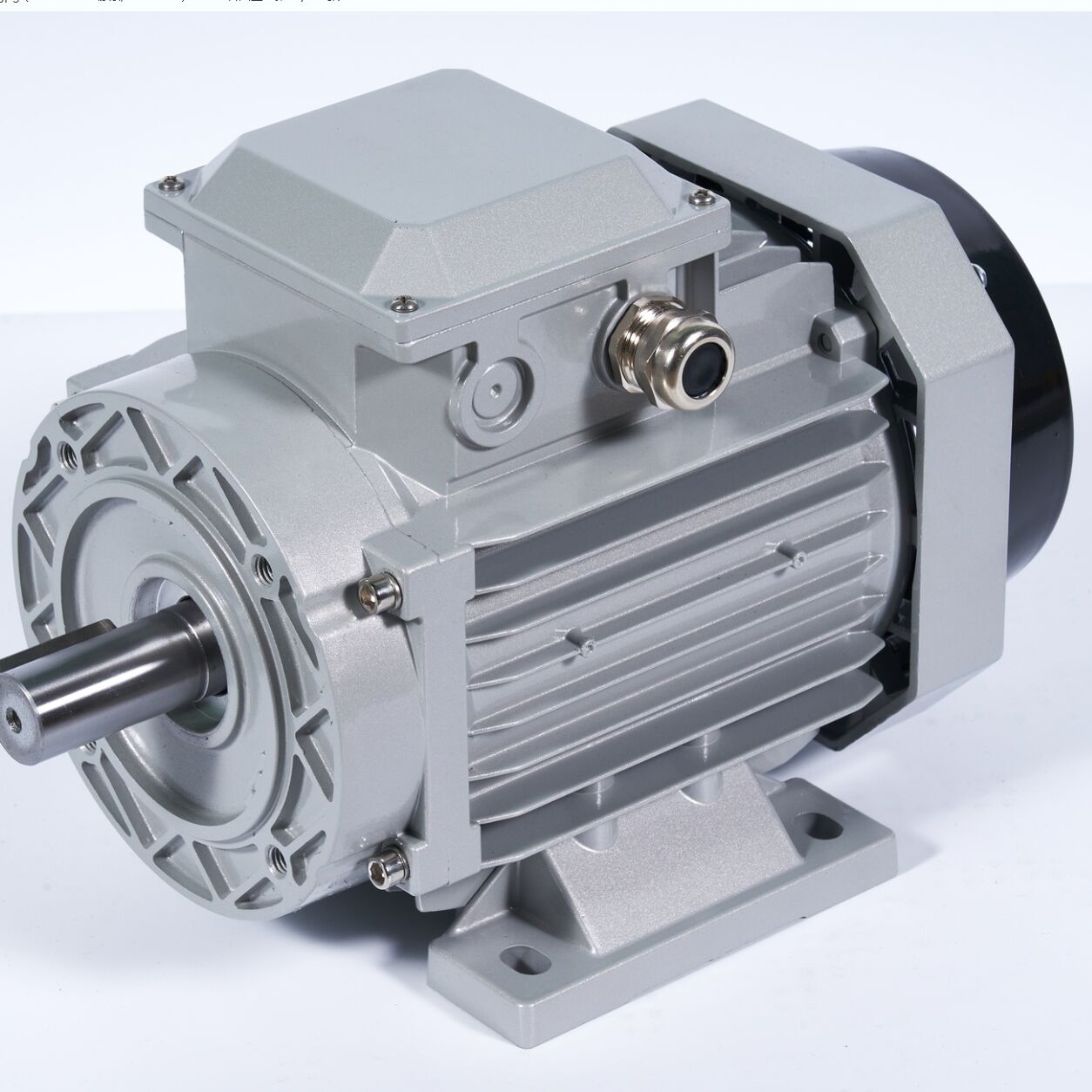
Modern industrial automation demands increasingly sophisticated drive systems that deliver exceptional performance while maintaining compact form factors. The integration of high-precision planetary reducers has revolutionized how engineers approach mechanical power transmission challenges across diverse applications. These advanced components offer unparalleled torque density, superior accuracy, and remarkable durability that traditional gear systems simply cannot match. Understanding the optimization potential of high-precision planetary reducers enables manufacturers to achieve breakthrough performance levels in robotic systems, CNC machinery, and automated production lines. The strategic implementation of these precision components transforms conventional drive architectures into highly efficient, space-saving solutions that meet today's demanding industrial requirements.
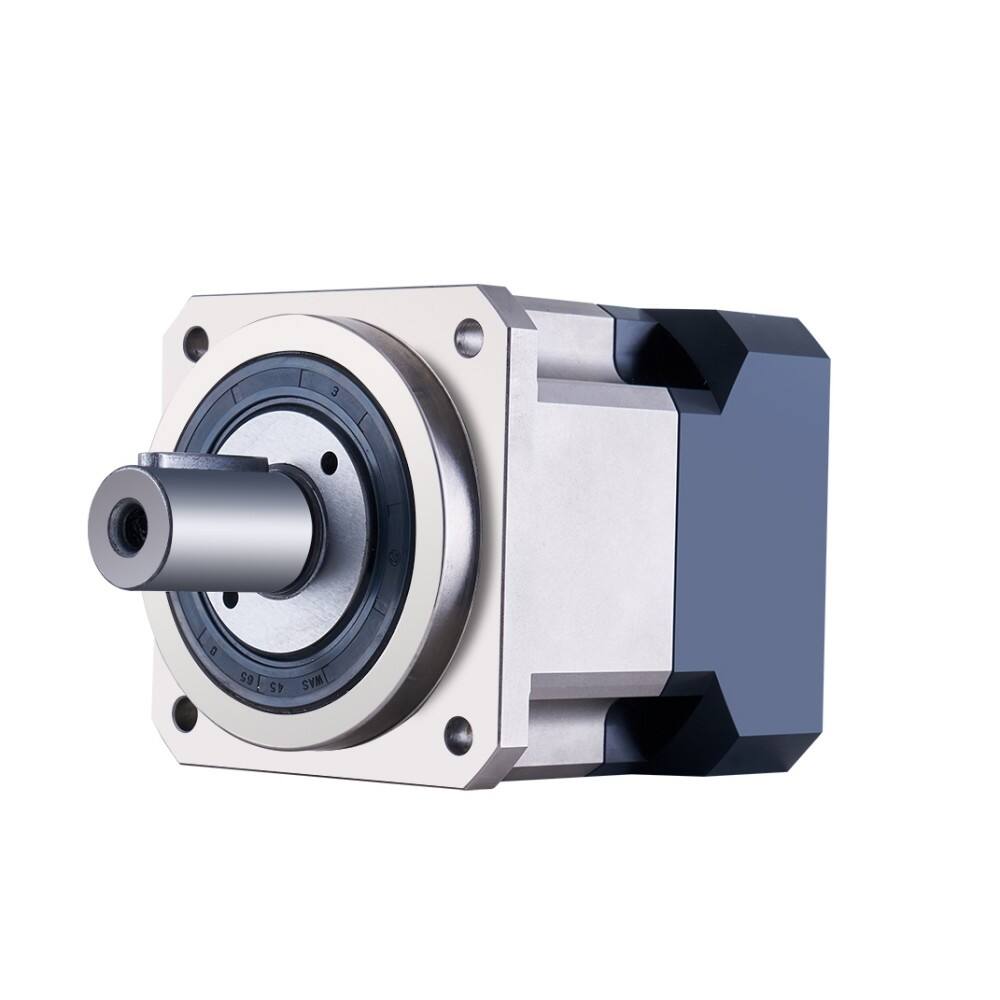
Understanding Planetary Reducer Technology
Fundamental Design Principles
High-precision planetary reducers operate on sophisticated gear arrangements that maximize torque transmission efficiency while minimizing spatial requirements. The planetary configuration features a central sun gear surrounded by multiple planet gears that rotate within an outer ring gear assembly. This unique architecture distributes load forces across multiple gear interfaces simultaneously, resulting in exceptional power density and enhanced durability. The precision manufacturing tolerances required for these components ensure minimal backlash and superior positional accuracy. Advanced materials and heat treatment processes further optimize the mechanical properties of high-precision planetary reducers for demanding industrial applications.
The gear ratio calculations for planetary systems involve complex mathematical relationships between sun, planet, and ring gear teeth configurations. Engineers must carefully consider these ratios to achieve optimal speed reduction while maintaining smooth power transmission characteristics. Manufacturing precision directly impacts the overall performance of high-precision planetary reducers, with tolerance specifications measured in micrometers rather than millimeters. Surface finish quality, gear tooth profiles, and bearing selection all contribute to the exceptional operational characteristics that distinguish these components from conventional reduction systems.
Material Science Advancements
Contemporary high-precision planetary reducers benefit from cutting-edge metallurgical innovations that enhance performance capabilities across multiple operational parameters. Advanced steel alloys with optimized carbon content and specialized heat treatment processes deliver superior hardness characteristics while maintaining excellent ductility properties. Surface hardening techniques such as carburizing and nitriding create exceptionally durable gear teeth surfaces that resist wear and maintain precise dimensional stability throughout extended operational cycles. These material advancements enable high-precision planetary reducers to achieve remarkable service life expectations exceeding traditional gear system capabilities.
Coating technologies represent another significant advancement in planetary reducer optimization, with specialized treatments providing enhanced lubrication retention and corrosion resistance properties. Diamond-like carbon coatings and advanced polymer treatments reduce friction coefficients while improving operational efficiency. The selection of bearing materials and lubricants specifically formulated for high-precision planetary reducers ensures optimal performance under varying temperature and load conditions. These technological improvements collectively contribute to the superior reliability and performance characteristics that make planetary reducers ideal for critical industrial applications.
Optimization Strategies for Drive System Integration
Sizing and Selection Methodology
Proper sizing of high-precision planetary reducers requires comprehensive analysis of application-specific parameters including torque requirements, speed profiles, and environmental operating conditions. Engineers must evaluate peak and continuous torque demands while considering dynamic load factors and safety margins appropriate for the intended application. The selection process involves matching reducer specifications with motor characteristics to achieve optimal system efficiency and performance. Thermal analysis plays a crucial role in sizing decisions, as high-precision planetary reducers must maintain stable operation across anticipated temperature ranges without compromising positional accuracy.
Load distribution analysis ensures that high-precision planetary reducers operate within their designed capacity limits while maximizing service life expectations. The calculation methodology must account for varying duty cycles, acceleration profiles, and potential shock loads that may occur during normal operation. Proper selection criteria include evaluation of backlash requirements, positional repeatability specifications, and efficiency targets that align with overall system objectives. Advanced simulation tools enable engineers to model complex loading scenarios and optimize reducer selection for specific application requirements.
Mounting and Alignment Considerations
Achieving optimal performance from high-precision planetary reducers demands meticulous attention to mounting configurations and shaft alignment procedures. Precise mechanical alignment eliminates unnecessary stress concentrations and ensures uniform load distribution across gear interfaces. The mounting system must provide adequate support while accommodating thermal expansion and operational vibrations without compromising positional accuracy. Specialized mounting hardware designed specifically for high-precision planetary reducers facilitates proper installation and maintains critical alignment tolerances throughout the operational lifecycle.
Coupling selection and installation procedures significantly impact the overall performance characteristics of drive systems incorporating high-precision planetary reducers. Flexible couplings accommodate minor misalignments while transmitting torque efficiently between reducer output and driven equipment. The coupling specifications must match the precision requirements of the planetary reducer to maintain system accuracy. Installation procedures should include comprehensive alignment verification using precision measuring instruments to ensure optimal performance and extended service life.
Performance Enhancement Techniques
Lubrication System Optimization
Advanced lubrication strategies play a fundamental role in maximizing the performance potential of high-precision planetary reducers across diverse operating conditions. Synthetic lubricants formulated specifically for precision gear applications provide superior temperature stability and extended drain intervals compared to conventional mineral oils. The viscosity characteristics must match the operational speed ranges and load requirements while maintaining consistent film thickness across gear interfaces. Proper lubrication system design ensures adequate oil circulation and heat dissipation to maintain optimal operating temperatures throughout extended duty cycles.
Filtration systems integrated with high-precision planetary reducers remove contamination particles that could compromise gear surface integrity and positional accuracy. Continuous monitoring of lubricant condition through oil analysis programs enables predictive maintenance strategies that optimize component reliability. Temperature control systems may be required for applications operating in extreme environments to maintain lubricant properties within acceptable ranges. These lubrication optimization techniques collectively contribute to enhanced efficiency and extended operational life for precision drive systems.
Thermal Management Solutions
Effective thermal management strategies ensure that high-precision planetary reducers maintain stable performance characteristics across varying operational conditions and duty cycles. Heat generation within the gear system results from mechanical losses, lubricant churning, and bearing friction that must be effectively dissipated to prevent temperature-induced dimensional changes. Cooling system design may incorporate forced air circulation, liquid cooling circuits, or heat sink assemblies depending on application requirements and environmental constraints. Proper thermal management maintains lubricant viscosity within optimal ranges while preventing thermal expansion that could affect gear mesh characteristics.
Temperature monitoring systems provide real-time feedback on thermal conditions within high-precision planetary reducers, enabling automated cooling system activation and operational parameter adjustments. Thermal modeling software assists engineers in predicting temperature distributions and optimizing cooling system configurations for specific applications. Insulation strategies may be employed to minimize heat transfer between the reducer assembly and sensitive surrounding equipment. These comprehensive thermal management approaches ensure consistent performance and reliability of high-precision planetary reducers in demanding industrial environments.
Application-Specific Considerations
Robotics and Automation Systems
Robotic applications place unique demands on high-precision planetary reducers that require specialized design considerations and performance characteristics. The exceptional positional accuracy and minimal backlash properties of these components enable precise robotic movements and repeatable positioning accuracy essential for automated manufacturing processes. High torque density capabilities allow robotic systems to achieve powerful actuating forces while maintaining compact joint configurations. The smooth operation characteristics of high-precision planetary reducers minimize vibrations that could affect end-effector positioning accuracy or disrupt delicate assembly operations.
Dynamic response characteristics of high-precision planetary reducers must match the acceleration and deceleration profiles typical of robotic motion systems. Low inertia designs facilitate rapid directional changes while maintaining precise motion control throughout complex trajectory patterns. The exceptional efficiency of these reduction systems minimizes energy consumption and heat generation, contributing to extended battery life in mobile robotic applications. Advanced control algorithms can leverage the predictable performance characteristics of high-precision planetary reducers to optimize motion profiles and enhance overall system productivity.
CNC Machining Applications
Computer numerical control machining systems rely on high-precision planetary reducers to achieve the exceptional accuracy and surface finish quality demanded by modern manufacturing processes. These components enable precise feed rate control and consistent spindle positioning that directly impacts machining tolerance achievements and part quality consistency. The rigid construction and minimal compliance characteristics of high-precision planetary reducers prevent deflection under varying cutting loads that could compromise dimensional accuracy. Thermal stability ensures consistent performance throughout extended machining cycles that generate significant heat loads.
Tool changing systems and automated workpiece handling mechanisms within CNC machining centers benefit from the reliable operation and precise positioning capabilities of high-precision planetary reducers. The exceptional repeatability characteristics enable consistent tool positioning and workpiece alignment that minimize setup times and maximize productive machining periods. Vibration damping properties inherent in planetary gear designs contribute to improved surface finish quality and extended cutting tool life. These performance advantages make high-precision planetary reducers essential components for achieving world-class machining capabilities in competitive manufacturing environments.
Maintenance and Reliability Optimization
Predictive Maintenance Strategies
Modern maintenance approaches for high-precision planetary reducers incorporate advanced monitoring technologies that enable proactive intervention before component degradation affects system performance. Vibration analysis techniques identify developing wear patterns and alignment issues that could compromise precision characteristics over time. Oil analysis programs track lubricant condition and contamination levels while identifying wear debris patterns that indicate internal component status. These predictive maintenance strategies maximize operational availability while minimizing unscheduled downtime events that disrupt production schedules.
Temperature monitoring systems continuously track thermal conditions within high-precision planetary reducers to identify developing problems before they result in component failure. Acoustic emission monitoring detects microscopic crack propagation and surface degradation that precede visible wear symptoms. Data logging capabilities enable trend analysis that identifies gradual performance degradation and optimal maintenance intervention timing. These sophisticated monitoring approaches ensure that high-precision planetary reducers maintain peak performance characteristics throughout their operational lifecycle while minimizing maintenance costs and downtime impacts.
Service Life Extension Techniques
Maximizing the operational lifespan of high-precision planetary reducers requires implementation of comprehensive maintenance practices and operational optimization strategies. Proper installation procedures and initial run-in protocols establish optimal operating conditions that promote extended component life. Regular inspection schedules identify wear patterns and potential issues before they compromise system reliability or performance characteristics. Lubrication system maintenance ensures consistent film thickness and contamination control that protects critical gear interfaces throughout extended operational periods.
Environmental protection measures shield high-precision planetary reducers from contamination sources and extreme operating conditions that accelerate component degradation. Sealing system integrity prevents ingress of abrasive particles and moisture that could compromise internal components and lubrication effectiveness. Operating parameter monitoring ensures that high-precision planetary reducers function within their designed capacity limits to prevent accelerated wear and premature failure. These comprehensive service life extension strategies maximize return on investment while ensuring consistent performance throughout extended operational campaigns.
FAQ
What are the key advantages of using high-precision planetary reducers in compact drive systems
High-precision planetary reducers offer exceptional torque density, minimal backlash, and superior positional accuracy compared to traditional gear reduction systems. Their compact design enables space-efficient installations while delivering high reduction ratios and excellent power transmission efficiency. These components provide smooth operation, low vibration characteristics, and extended service life that make them ideal for demanding industrial applications requiring precise motion control and reliable performance.
How do I properly size high-precision planetary reducers for my specific application
Proper sizing requires comprehensive analysis of torque requirements, speed profiles, duty cycles, and environmental operating conditions. Calculate both peak and continuous torque demands while applying appropriate safety factors for your application. Consider thermal loading, backlash requirements, and efficiency targets when selecting reducer specifications. Consult manufacturer technical data and utilize sizing software tools to ensure optimal component selection that meets performance objectives while maximizing operational reliability.
What maintenance practices are essential for maximizing the performance of high-precision planetary reducers
Essential maintenance practices include regular lubrication system monitoring, oil analysis programs, vibration monitoring, and temperature tracking to identify developing issues before they affect performance. Maintain proper lubricant levels and quality while following manufacturer-recommended service intervals. Inspect sealing systems and mounting hardware periodically to ensure environmental protection and mechanical integrity. Implement predictive maintenance strategies using advanced monitoring technologies to optimize maintenance timing and minimize unscheduled downtime events.
Can high-precision planetary reducers operate effectively in extreme temperature environments
High-precision planetary reducers can operate effectively in extreme temperature environments when properly specified and equipped with appropriate thermal management systems. Special lubricants formulated for extreme temperatures maintain proper viscosity characteristics across wide temperature ranges. Heating or cooling systems may be required to maintain optimal operating temperatures. Material selection and thermal expansion considerations ensure dimensional stability and performance consistency throughout extreme temperature cycles while preserving precision characteristics.
Table of Contents
- Understanding Planetary Reducer Technology
- Optimization Strategies for Drive System Integration
- Performance Enhancement Techniques
- Application-Specific Considerations
- Maintenance and Reliability Optimization
-
FAQ
- What are the key advantages of using high-precision planetary reducers in compact drive systems
- How do I properly size high-precision planetary reducers for my specific application
- What maintenance practices are essential for maximizing the performance of high-precision planetary reducers
- Can high-precision planetary reducers operate effectively in extreme temperature environments