 EN
EN

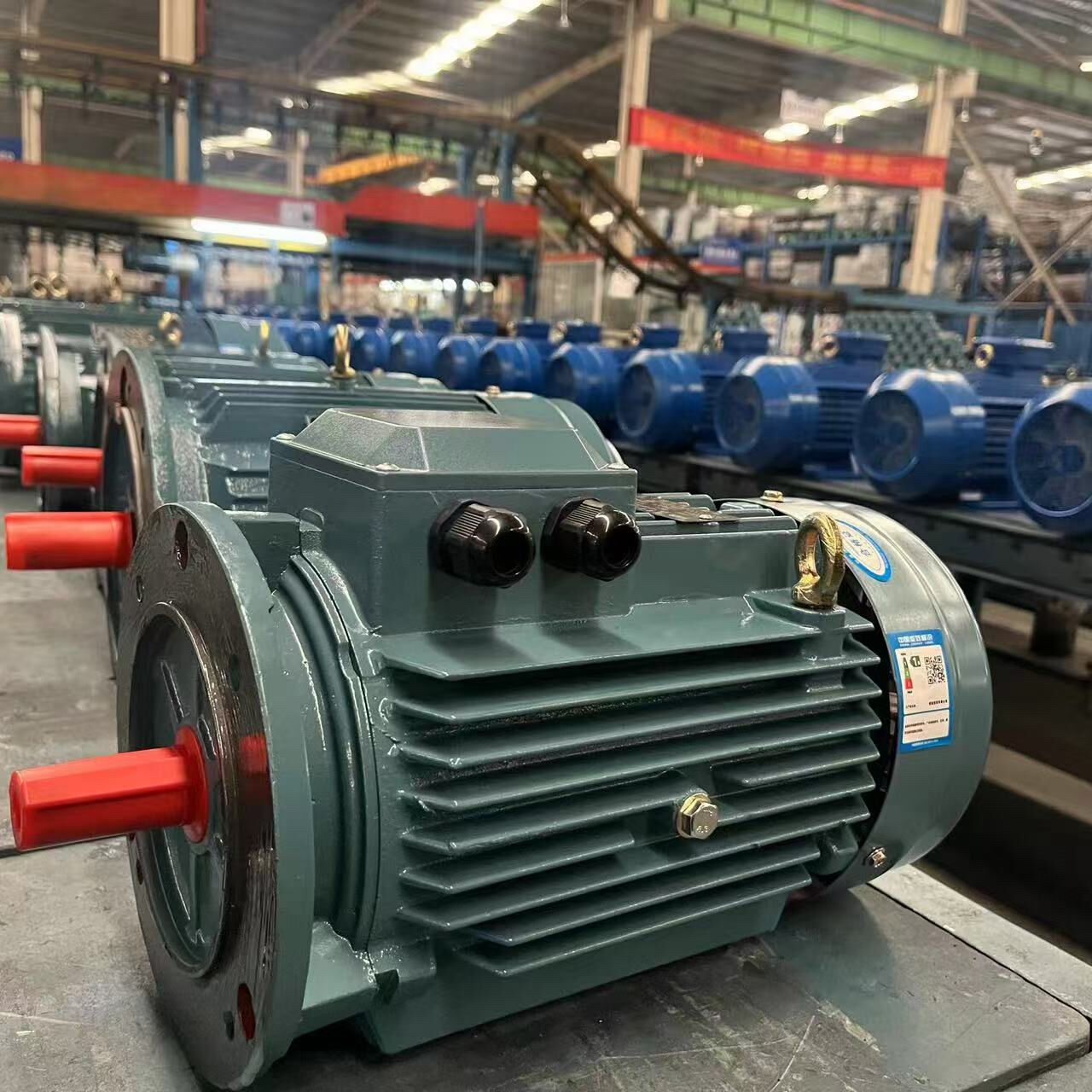
Selecting the right squirrel cage motor for industrial equipment represents one of the most critical decisions in mechanical system design. These robust induction motors serve as the backbone of countless applications, from manufacturing processes to HVAC systems, delivering reliable power transmission with minimal maintenance requirements. Understanding the key specifications, performance characteristics, and application-specific requirements ensures optimal equipment operation and long-term cost effectiveness. The decision-making process involves evaluating multiple technical factors that directly impact operational efficiency, energy consumption, and system reliability across diverse industrial environments.
Understanding Squirrel Cage Motor Fundamentals
Basic Operating Principles
The squirrel cage motor operates on electromagnetic induction principles, utilizing a rotating magnetic field to generate torque within the rotor assembly. This three-phase induction motor design features aluminum or copper bars embedded in the rotor, forming a cage-like structure that gives the motor its distinctive name. When alternating current flows through the stator windings, it creates a rotating magnetic field that induces currents in the rotor bars, producing the rotational force necessary for mechanical operation. The simplicity of this design eliminates the need for brushes or slip rings, significantly reducing maintenance requirements compared to other motor technologies.
Electromagnetic field interaction determines the motor's speed characteristics, with synchronous speed calculated based on supply frequency and pole configuration. The actual rotor speed operates slightly below synchronous speed, creating the slip percentage that enables torque production. This fundamental operating principle provides excellent speed regulation under varying load conditions while maintaining consistent performance across different industrial applications. Understanding these basic principles helps engineers select appropriate motor specifications that align with specific equipment requirements and operational parameters.
Construction Features and Design Elements
Modern squirrel cage motor construction incorporates advanced materials and manufacturing techniques to optimize performance and durability. The stator assembly features precision-wound copper windings arranged in specific configurations to produce balanced magnetic fields and minimize harmonic distortion. High-grade silicon steel laminations reduce core losses while providing excellent magnetic flux conduction throughout the motor structure. The rotor construction utilizes either aluminum die-casting or copper bar insertion methods, each offering distinct advantages in terms of efficiency, starting characteristics, and thermal performance.
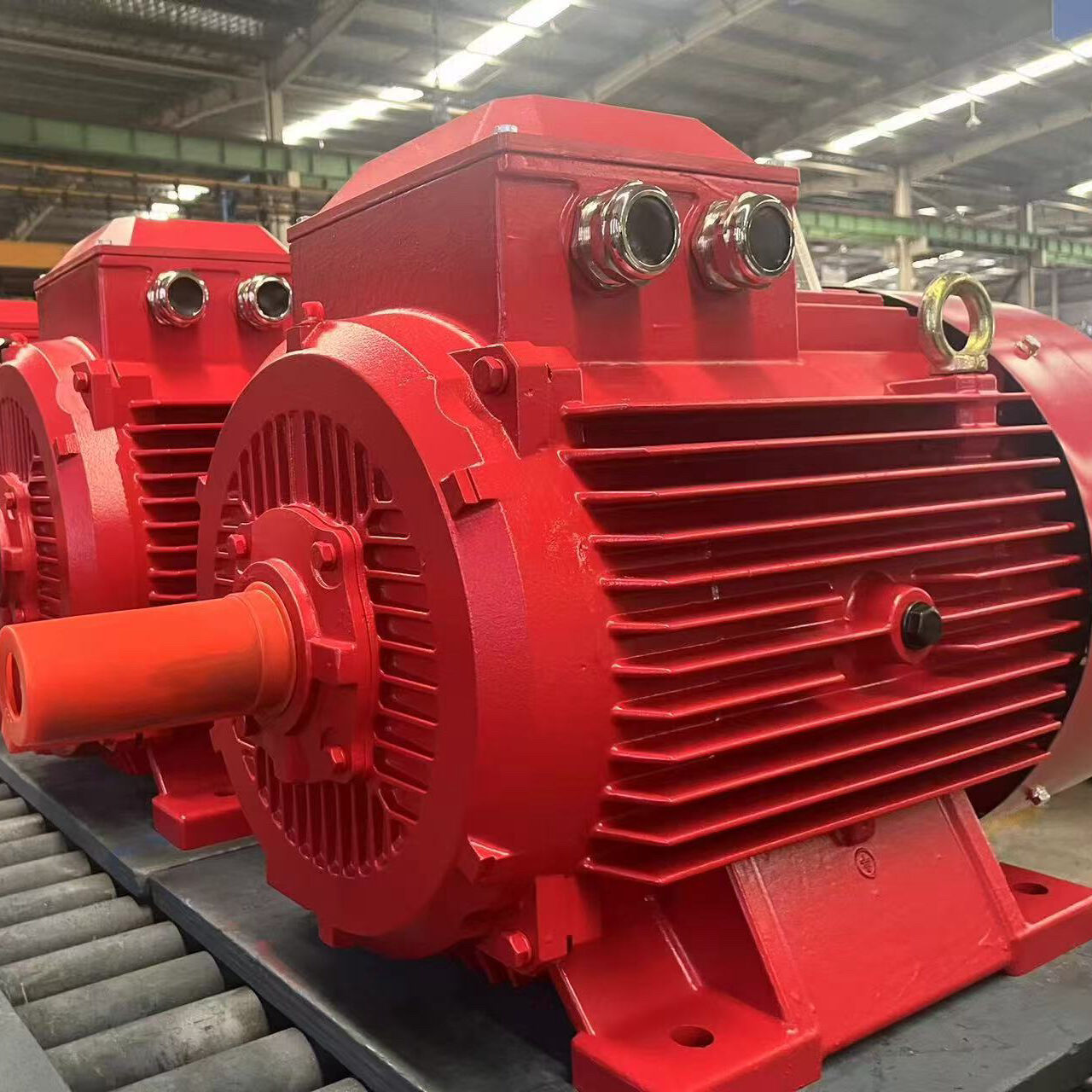
Bearing systems play a crucial role in motor reliability and operational lifespan, with options including ball bearings, roller bearings, and specialized high-temperature configurations. The housing design provides environmental protection while facilitating heat dissipation through integrated cooling fins or forced ventilation systems. Terminal box arrangements allow flexible electrical connections while maintaining proper insulation levels and environmental sealing. These construction elements work together to create robust motor assemblies capable of withstanding demanding industrial conditions while delivering consistent performance over extended operating periods.
Performance Specifications and Rating Considerations
Power Output and Efficiency Ratings
Power output specifications define the mechanical capability of any squirrel cage motor, typically expressed in horsepower or kilowatts depending on regional standards and application requirements. Continuous duty ratings indicate the maximum power level the motor can sustain indefinitely under specified ambient conditions without exceeding thermal limits. Efficiency ratings have become increasingly important due to energy conservation mandates and operating cost considerations, with premium efficiency motors offering significant long-term savings despite higher initial investment costs. Modern high-efficiency designs achieve efficiency levels exceeding ninety-five percent through optimized magnetic circuit design and reduced electrical losses.
Service factor ratings provide additional capacity margin above nameplate power, allowing temporary overload operation during peak demand periods or startup conditions. This specification proves particularly valuable in applications with variable load characteristics or systems requiring occasional power increases. Efficiency curves demonstrate how motor performance varies across different load levels, helping engineers optimize system design for typical operating conditions. Understanding these power-related specifications enables proper motor sizing that balances initial costs, operating expenses, and performance requirements throughout the equipment lifecycle.
Speed and Torque Characteristics
Speed ratings for squirrel cage motors depend on pole configuration and supply frequency, with common synchronous speeds including 3600, 1800, 1200, and 900 RPM for sixty-hertz applications. Starting torque characteristics determine the motor's ability to accelerate connected loads from rest to operating speed, with different rotor designs optimized for various starting requirements. High-slip designs provide increased starting torque for difficult-to-start loads, while low-slip configurations offer improved running efficiency and speed regulation. Pull-up torque represents the minimum torque available during acceleration, ensuring the motor can overcome load variations throughout the starting sequence.
Breakdown torque defines the maximum torque capability before the motor stalls, providing a safety margin for temporary overload conditions. Speed-torque curves illustrate these characteristics graphically, enabling engineers to match motor performance with load requirements across the entire operating range. Variable frequency drive compatibility has become essential for many applications, requiring motors designed to operate effectively across wide speed ranges while maintaining adequate cooling and torque production. These torque and speed specifications directly influence application suitability and system performance optimization strategies.
Application-Specific Selection Criteria
Industrial Environment Considerations
Environmental conditions significantly impact motor selection decisions, requiring careful evaluation of temperature, humidity, contamination levels, and atmospheric conditions. High-temperature applications demand motors with enhanced insulation systems and specialized bearing configurations capable of withstanding elevated operating temperatures without premature failure. Hazardous location requirements necessitate explosion-proof or increased safety designs that prevent ignition of flammable atmospheres while maintaining operational reliability. Corrosive environments require specialized coatings and materials that resist chemical attack while preserving electrical and mechanical integrity over extended service periods.
Altitude considerations affect motor cooling and electrical performance, with derating requirements for installations above specified elevation limits. Vibration and shock resistance specifications ensure proper operation in mechanically demanding environments such as mining, marine, or heavy industrial applications. Environmental protection ratings indicate the motor's resistance to dust and moisture ingress, with higher ratings required for outdoor installations or wash-down applications. These environmental factors directly influence motor design selection, installation requirements, and maintenance scheduling to ensure reliable long-term operation.
Load Matching and Drive Requirements
Proper load analysis forms the foundation of effective motor selection, requiring detailed understanding of torque requirements, speed variations, and duty cycle characteristics. Constant torque loads such as conveyors and positive displacement pumps require different motor characteristics compared to variable torque applications like centrifugal fans and pumps. Starting requirements influence rotor design selection, with high-inertia loads necessitating high-starting-torque configurations while light loads may utilize standard or energy-efficient designs. Load factor analysis helps determine appropriate motor sizing to optimize efficiency while providing adequate capacity margins.
Drive system compatibility encompasses direct-online starting, reduced voltage starting methods, and variable frequency drive applications. Each starting method imposes different electrical and mechanical stresses on the motor, influencing design requirements and expected service life. Coupling arrangements, mounting configurations, and shaft requirements must align with driven equipment specifications while accommodating thermal expansion and mechanical tolerances. Understanding these load-related factors ensures optimal squirrel cage motor performance and reliability throughout the application lifecycle.
Electrical Specifications and Installation Requirements
Voltage and Current Characteristics
Voltage ratings must match available power supply characteristics while considering voltage regulation and distribution system capabilities. Standard voltage levels include 208, 230, 460, and 575 volts for three-phase applications, with dual voltage configurations offering installation flexibility across different power systems. Current specifications include both running and starting values, with starting current typically ranging from five to seven times full-load current for standard designs. Power factor considerations affect electrical distribution system sizing and may influence motor selection in facilities with power factor penalties or correction requirements.
Electrical connection arrangements vary from wye and delta configurations to dual voltage wiring options that accommodate different installation requirements. Terminal marking standards ensure proper phase sequence and voltage connections while maintaining safety protocols during installation and maintenance activities. Insulation class ratings determine the motor's ability to withstand electrical stress and temperature extremes, with higher classes offering improved reliability in demanding applications. These electrical specifications directly impact installation costs, distribution system requirements, and long-term operational reliability.
Protection and Control Integration
Motor protection systems safeguard against electrical faults, overload conditions, and environmental hazards that could damage equipment or create safety risks. Overload protection devices monitor current levels and disconnect power when excessive loading occurs, preventing thermal damage to motor windings. Phase protection systems detect phase loss or imbalance conditions that could cause single-phasing and subsequent motor failure. Temperature monitoring through embedded sensors or thermal switches provides early warning of overheating conditions before critical damage occurs.
Control integration encompasses manual starting methods, automatic control systems, and sophisticated monitoring networks that optimize motor operation and maintenance scheduling. Variable frequency drive compatibility requires motors designed for pulse-width modulated power supplies while maintaining adequate cooling across wide speed ranges. Communication protocols enable integration with plant automation systems for remote monitoring, diagnostic data collection, and predictive maintenance strategies. Proper protection and control system design ensures reliable motor operation while minimizing downtime and maintenance costs throughout the equipment service life.
Economic Evaluation and Total Cost Analysis
Initial Investment Considerations
Motor purchase price represents only a fraction of total lifecycle costs, making comprehensive economic analysis essential for optimal selection decisions. Premium efficiency motors command higher initial prices but deliver substantial energy savings over their operational lifespan, particularly in high-utilization applications. Installation costs vary significantly based on mounting requirements, electrical connections, and auxiliary equipment such as variable frequency drives or soft starters. Delivery schedules and availability affect project timelines, with standard motors offering shorter lead times compared to specialized or custom configurations.
Financing options and capital budget constraints influence motor selection strategies, with some organizations prioritizing lowest initial cost while others focus on lifecycle value optimization. Warranty provisions and manufacturer support capabilities provide additional value considerations that extend beyond basic purchase price comparisons. Energy efficiency incentives and utility rebates may offset premium motor costs while supporting corporate sustainability initiatives. These initial investment factors require careful evaluation to balance immediate budget requirements with long-term operational objectives and performance expectations.
Operating Cost Optimization
Energy consumption typically represents the largest component of motor lifecycle costs, making efficiency optimization a critical selection criterion for most industrial applications. Operating hour analysis helps quantify annual energy consumption and potential savings from high-efficiency motor designs. Maintenance requirements vary based on motor construction, environmental conditions, and application demands, with sealed bearing designs offering reduced maintenance intervals compared to greaseable bearing configurations. Downtime costs associated with motor failures can significantly exceed replacement costs in critical applications, justifying investment in higher reliability designs.
Load factor optimization ensures motors operate within their most efficient range, avoiding both undersizing that leads to overloading and oversizing that reduces efficiency. Replacement planning strategies balance preventive replacement with run-to-failure approaches based on criticality, costs, and reliability requirements. Energy monitoring systems provide data for ongoing optimization efforts and help identify opportunities for additional efficiency improvements through operational modifications or equipment upgrades. Understanding these operating cost elements enables data-driven decisions that minimize total ownership costs while maintaining required performance levels.
FAQ
What factors determine the appropriate horsepower rating for a squirrel cage motor?
Horsepower requirements depend on the mechanical load characteristics, operating speed, and efficiency requirements of the driven equipment. Calculate the required power by analyzing torque demands, rotational speed, and safety factors for the specific application. Consider starting requirements, load variations, and service factor needs to ensure adequate capacity without significant oversizing that reduces efficiency.
How do environmental conditions affect squirrel cage motor selection and performance?
Environmental factors such as temperature, humidity, altitude, and contamination levels directly impact motor design requirements and operational parameters. High temperatures require enhanced insulation systems and improved cooling methods, while corrosive environments necessitate specialized materials and protective coatings. Hazardous locations demand explosion-proof designs, and outdoor installations require appropriate environmental protection ratings for reliable long-term operation.
What are the key differences between standard efficiency and premium efficiency motors?
Premium efficiency motors achieve higher electrical efficiency through optimized magnetic circuit design, reduced electrical losses, and improved manufacturing techniques. While initial costs are higher, premium efficiency designs typically provide significant energy savings over their operational lifespan, particularly in high-utilization applications. The payback period depends on operating hours, energy costs, and efficiency improvement levels, usually ranging from one to three years for continuous operation applications.
How important is motor speed selection for different industrial applications?
Motor speed selection directly affects system efficiency, mechanical design complexity, and operational characteristics. Higher speeds generally provide more compact motor designs but may require speed reduction through gearing or belt drives. Lower speed motors eliminate reduction equipment but tend to be larger and more expensive. The optimal speed balances motor costs, system efficiency, maintenance requirements, and mechanical complexity for each specific application.
Table of Contents
- Understanding Squirrel Cage Motor Fundamentals
- Performance Specifications and Rating Considerations
- Application-Specific Selection Criteria
- Electrical Specifications and Installation Requirements
- Economic Evaluation and Total Cost Analysis
-
FAQ
- What factors determine the appropriate horsepower rating for a squirrel cage motor?
- How do environmental conditions affect squirrel cage motor selection and performance?
- What are the key differences between standard efficiency and premium efficiency motors?
- How important is motor speed selection for different industrial applications?