 EN
EN

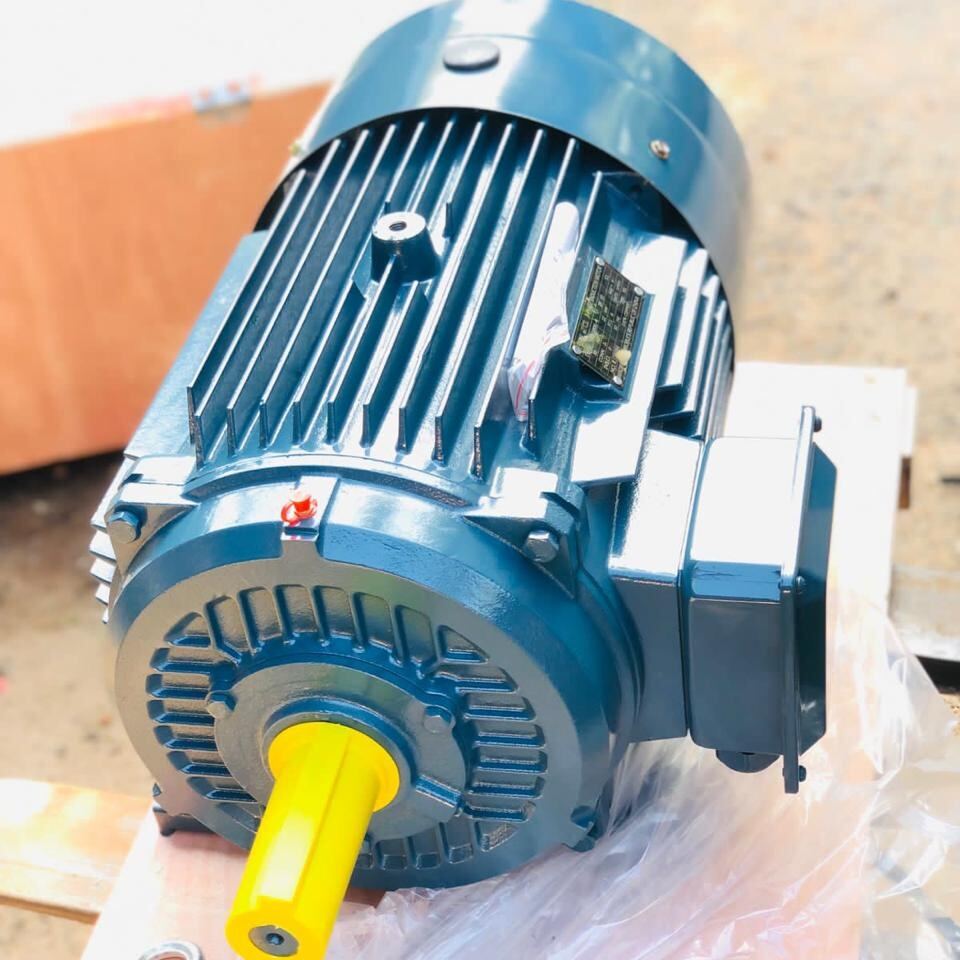
Manufacturing facilities worldwide are experiencing unprecedented pressure to reduce operational costs while maintaining production efficiency. Among the most significant contributors to industrial energy consumption, electric motors account for approximately 45% of global electricity usage in manufacturing environments. Three phase motors represent the cornerstone of industrial automation, powering everything from conveyor systems to heavy machinery. The transition to high-efficiency three phase motors has emerged as a critical strategy for manufacturers seeking substantial energy cost reductions without compromising operational performance.
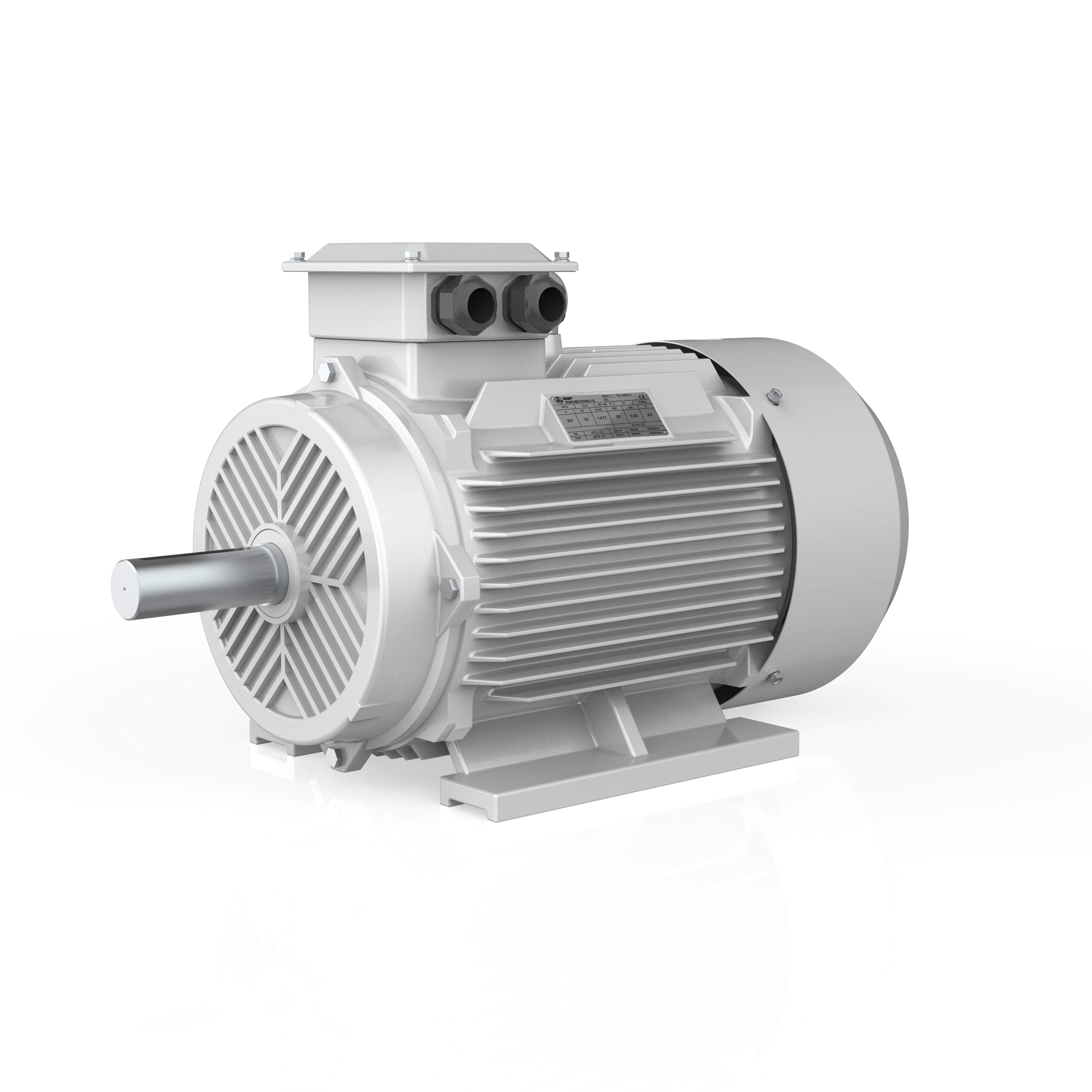
Understanding Energy Efficiency in Industrial Motor Systems
Fundamental Principles of Motor Efficiency
Energy efficiency in three phase motors relates directly to the conversion rate of electrical input power into mechanical output power. Traditional motors typically operate at efficiency levels between 85-90%, while high-efficiency variants achieve performance ratings exceeding 95%. This seemingly modest improvement translates into substantial cost savings when applied across industrial operations running continuously throughout the year. The efficiency rating represents the percentage of electrical energy successfully converted to useful mechanical work, with the remainder dissipated as heat through various loss mechanisms including copper losses, iron core losses, and mechanical friction.
Advanced three phase motors incorporate premium materials and precision engineering to minimize energy waste. These improvements include optimized rotor designs, enhanced magnetic materials, and reduced air gaps between stator and rotor components. The cumulative effect of these engineering enhancements results in motors that consume significantly less electricity while delivering identical torque and power output compared to standard efficiency units. Manufacturing facilities implementing these motors typically observe immediate reductions in electricity consumption ranging from 5-15% depending on the specific application and operating conditions.
Efficiency Standards and Classifications
International efficiency standards provide manufacturers with clear guidelines for selecting appropriate three phase motors for their applications. The International Electrotechnical Commission establishes efficiency classes ranging from IE1 (standard efficiency) through IE4 (super premium efficiency), with newer IE5 classifications emerging for ultra-high-efficiency applications. Each classification represents specific efficiency thresholds that motors must meet or exceed under standardized testing conditions. These standards ensure consistent performance expectations and enable meaningful comparisons between different motor manufacturers and models.
Premium efficiency three phase motors typically fall within IE3 or IE4 classifications, offering efficiency improvements of 3-8% over standard motors. While the initial investment in higher efficiency motors may appear substantial, the energy cost savings accumulated over the motor's operational lifetime typically justify the premium within 12-24 months of installation. Industrial facilities with high duty cycle operations experience even faster payback periods, often recovering the additional investment within the first year of operation through reduced electricity consumption alone.
Calculating Energy Cost Savings in Manufacturing Operations
Methodology for Energy Consumption Analysis
Determining the financial impact of upgrading to high-efficiency three phase motors requires systematic analysis of current energy consumption patterns and projected savings. The calculation begins with establishing baseline power consumption data for existing motor installations, including operating hours, load factors, and current efficiency ratings. Motor load surveys conducted by qualified technicians provide accurate measurements of actual operating conditions, which frequently differ from nameplate ratings due to varying production demands and mechanical load characteristics.
Annual energy consumption calculations for three phase motors follow the formula: kWh = (Motor HP × 0.746 × Load Factor × Operating Hours) ÷ Motor Efficiency. This calculation provides the foundation for comparing current energy costs with projected savings from high-efficiency motor installations. Load factor represents the percentage of full-load operation, while operating hours reflect the actual runtime throughout the year. Many manufacturing operations discover that their motors operate at partial loads for significant periods, which can affect overall efficiency calculations and influence motor selection decisions.
Real-World Cost Reduction Examples
A typical 100-horsepower three phase motor operating 8,760 hours annually at 75% load factor demonstrates substantial savings potential when upgraded from standard to premium efficiency. The standard efficiency motor consuming approximately 596,000 kWh annually can be reduced to 565,000 kWh with a premium efficiency unit, representing 31,000 kWh in annual savings. At an industrial electricity rate of $0.08 per kWh, this single motor upgrade generates $2,480 in annual energy cost reductions, easily justifying the premium cost within the first operational year.
Larger manufacturing facilities with multiple three phase motors experience proportionally greater savings when implementing comprehensive efficiency upgrades. A facility operating fifty 50-horsepower motors under similar conditions could achieve annual savings exceeding $60,000 through systematic replacement with high-efficiency units. These calculations assume consistent electricity rates, though many utilities offer demand-based pricing structures that can amplify savings during peak consumption periods when high-efficiency motors reduce overall facility electrical demand.
Implementation Strategies for Motor Efficiency Upgrades
Prioritizing Motor Replacement Decisions
Successful implementation of high-efficiency three phase motors requires strategic planning to maximize return on investment while minimizing operational disruption. Priority should be given to motors with the highest annual operating hours, largest horsepower ratings, and poorest current efficiency levels. Motors approaching end-of-life or requiring significant maintenance represent ideal candidates for immediate replacement, as the upgrade can be coordinated with planned maintenance shutdowns to avoid production interruptions.
Energy audits conducted by motor specialists help identify the most cost-effective upgrade opportunities within manufacturing facilities. These assessments evaluate factors including motor age, condition, efficiency ratings, operating duty cycles, and maintenance history to develop prioritized replacement schedules. The analysis often reveals that relatively few motors consume the majority of facility electrical energy, enabling targeted upgrades that deliver maximum impact with minimal capital investment. This strategic approach ensures that limited capital budgets achieve optimal energy cost reduction results.
Installation and Integration Considerations
Proper installation of high-efficiency three phase motors requires attention to several critical factors that can impact performance and longevity. Motor mounting, alignment, and coupling connections must meet manufacturer specifications to prevent premature failure and maintain efficiency ratings. Variable frequency drives paired with premium efficiency motors can provide additional energy savings through speed control optimization, though proper drive programming is essential to realize these benefits without compromising motor performance.
Power quality considerations become increasingly important with high-efficiency three phase motors, as these units can be more sensitive to voltage imbalances, harmonics, and other electrical disturbances. Facilities may need to address power quality issues through harmonic filters, voltage regulators, or power conditioning equipment to ensure optimal motor performance. Proper electrical protection including motor circuit protectors and thermal overload relays must be sized appropriately for the specific motor characteristics and operating conditions.
Maintenance and Operational Benefits Beyond Energy Savings
Extended Service Life and Reliability
High-efficiency three phase motors typically demonstrate superior reliability and extended service life compared to standard efficiency units. The premium materials and precision manufacturing processes used in these motors result in reduced operating temperatures, lower vibration levels, and decreased mechanical stress on bearings and other wear components. These improvements translate into longer intervals between maintenance activities and reduced likelihood of unexpected failures that can disrupt production schedules.
Temperature reduction represents one of the most significant reliability benefits of high-efficiency three phase motors. Lower operating temperatures directly correlate with extended insulation life, reduced bearing wear, and decreased thermal expansion stresses on motor components. Many facilities report maintenance interval extensions of 25-50% when upgrading to premium efficiency motors, resulting in additional cost savings through reduced labor, spare parts, and production downtime associated with motor maintenance activities.
Improved Power Factor and Electrical System Benefits
Premium efficiency three phase motors often exhibit improved power factor characteristics compared to standard efficiency units, providing benefits that extend beyond individual motor performance to overall facility electrical systems. Higher power factor reduces reactive power demand, which can lower utility demand charges and improve electrical system capacity utilization. These system-level benefits become particularly significant in facilities approaching electrical service capacity limits or facing utility penalty charges for poor power factor performance.
Reduced motor current draw associated with high-efficiency three phase motors provides additional benefits including lower voltage drop across electrical distribution systems, reduced transformer loading, and decreased electrical losses in cables and switchgear. These improvements can delay or eliminate the need for electrical system upgrades that would otherwise be required to support growing production demands. The cumulative effect of these electrical system benefits often exceeds the direct energy savings achieved through motor efficiency improvements alone.
FAQ
What is the typical payback period for upgrading to high-efficiency three phase motors
The payback period for high-efficiency three phase motors typically ranges from 1-3 years depending on motor size, operating hours, electricity costs, and efficiency improvement achieved. Larger motors with high duty cycles in areas with elevated electricity rates generally provide faster payback, often within 12-18 months. Motors operating less than 4,000 hours annually or in applications with very low electricity costs may require longer payback periods of 3-5 years.
How do high-efficiency motors perform in variable speed applications
High-efficiency three phase motors perform exceptionally well in variable frequency drive applications, often providing additional energy savings beyond their inherent efficiency improvements. When properly matched with quality VFDs, these motors maintain high efficiency across a broader speed range compared to standard motors. The combination of premium efficiency motors and variable speed control can achieve total energy savings of 20-50% in applications with varying load demands such as fans, pumps, and compressors.
Can existing motor control systems work with high-efficiency three phase motors
Most existing motor control systems are fully compatible with high-efficiency three phase motors, as these units maintain standard electrical connections and control interfaces. However, motor protection settings may require adjustment to accommodate different current characteristics and thermal profiles. Motor circuit protectors and overload relays should be verified for proper sizing and settings to ensure adequate protection while avoiding nuisance trips during normal operation.
What maintenance differences exist between standard and high-efficiency motors
High-efficiency three phase motors typically require less frequent maintenance due to lower operating temperatures and reduced stress on mechanical components. Standard maintenance practices including lubrication, vibration monitoring, and electrical testing remain applicable, though intervals may be extended. The premium bearings and materials used in efficiency motors often provide longer service life, though proper maintenance practices remain essential for achieving optimal performance and longevity expectations.
Table of Contents
- Understanding Energy Efficiency in Industrial Motor Systems
- Calculating Energy Cost Savings in Manufacturing Operations
- Implementation Strategies for Motor Efficiency Upgrades
- Maintenance and Operational Benefits Beyond Energy Savings
-
FAQ
- What is the typical payback period for upgrading to high-efficiency three phase motors
- How do high-efficiency motors perform in variable speed applications
- Can existing motor control systems work with high-efficiency three phase motors
- What maintenance differences exist between standard and high-efficiency motors