 EN
EN

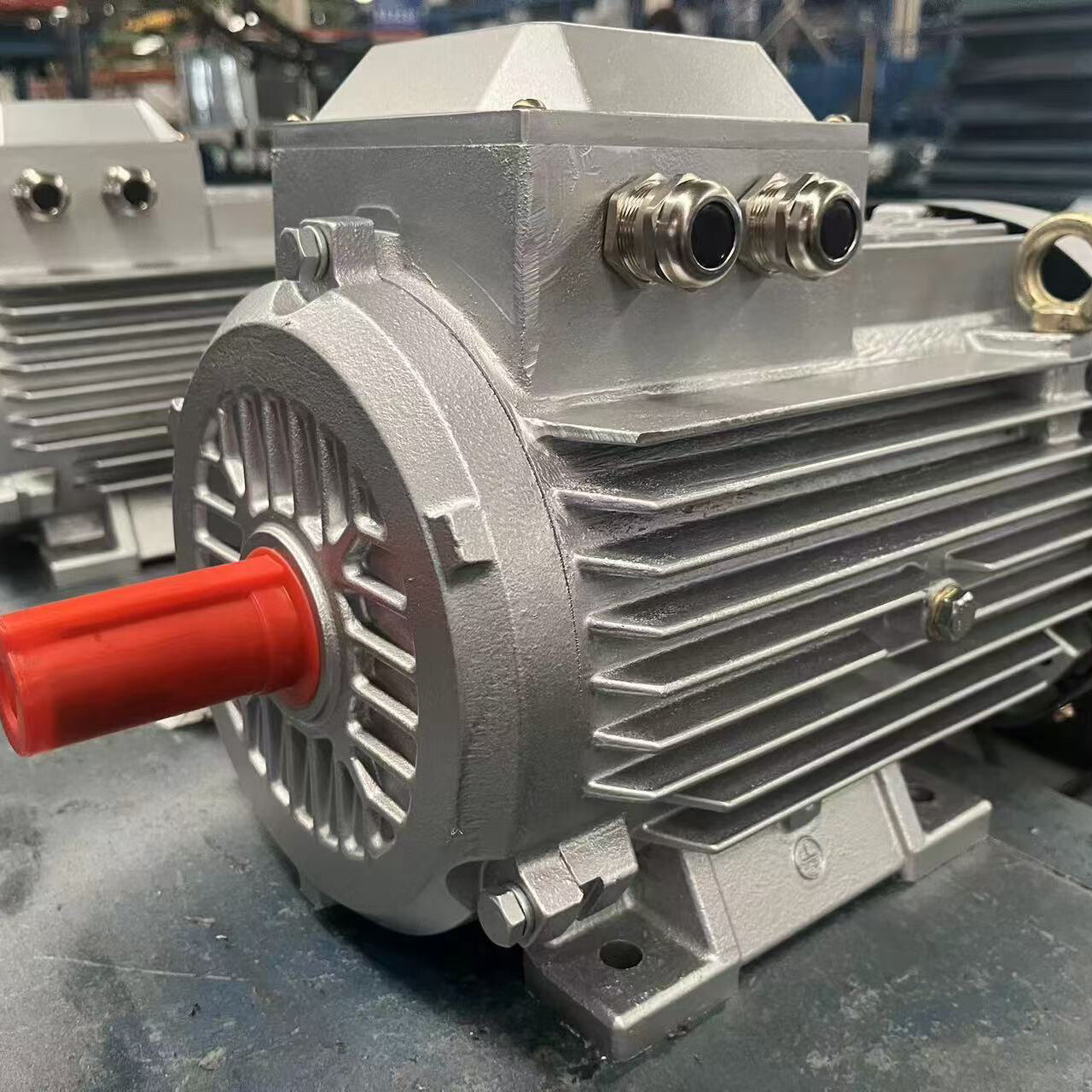
Heavy industrial fans operate as the backbone of countless manufacturing facilities, power plants, and processing centers worldwide. These massive ventilation systems require precise speed control to maintain optimal airflow, energy efficiency, and operational safety. Traditional fan systems often struggle with inflexible speed settings and excessive energy consumption, leading to increased operational costs and reduced equipment longevity. Variable frequency motors have emerged as a transformative solution, offering unprecedented control over fan speed while delivering substantial energy savings and enhanced performance reliability.

The integration of variable frequency motors in industrial fan applications represents a significant advancement in motor technology and control systems. These sophisticated motors utilize advanced electronic drives to precisely regulate rotational speed, allowing operators to match fan performance exactly to process requirements. Unlike conventional fixed-speed motors that operate at constant velocity regardless of demand, variable frequency motors adapt their output in real-time based on system feedback and operational parameters. This dynamic adjustment capability translates into remarkable improvements in energy efficiency, reduced mechanical stress, and extended equipment service life.
Understanding Variable Frequency Motor Technology
Core Principles of Frequency Control
Variable frequency motors operate on the fundamental principle that motor speed is directly proportional to the frequency of the electrical supply. By electronically controlling the frequency and voltage supplied to the motor, operators can achieve precise speed regulation across a wide operational range. The motor controller, commonly known as a Variable Frequency Drive (VFD), converts incoming AC power to DC and then back to AC at the desired frequency and voltage levels. This conversion process allows for seamless speed adjustment without the mechanical complexity and energy losses associated with traditional speed control methods.
The frequency control mechanism enables variable frequency motors to maintain consistent torque characteristics across different operating speeds. This capability is particularly crucial for industrial fan applications where maintaining adequate air pressure and flow rates at varying speeds is essential. The electronic control system continuously monitors motor performance parameters, including current draw, voltage levels, and rotational speed, making real-time adjustments to optimize performance and prevent operational anomalies.
Advanced Motor Design Features
Modern variable frequency motors incorporate sophisticated design elements that enhance their performance in demanding industrial environments. These motors typically feature robust insulation systems capable of withstanding the electrical stresses associated with variable frequency operation. Special winding configurations and improved bearing designs ensure reliable operation under varying speed conditions while minimizing vibration and acoustic emissions. The motor housings are engineered to provide optimal cooling and protection against environmental contaminants commonly found in industrial settings.
Temperature management systems within variable frequency motors utilize advanced cooling strategies to maintain optimal operating conditions. Integrated thermal sensors provide continuous monitoring of motor temperature, enabling the control system to adjust operating parameters to prevent overheating and ensure consistent performance. These design improvements contribute significantly to the extended service life and reduced maintenance requirements that characterize modern variable frequency motor installations.
Energy Efficiency Advantages in Fan Applications
Cubic Law Relationship Benefits
The relationship between fan speed and power consumption follows the cubic law, meaning that power requirements decrease exponentially as fan speed is reduced. Variable frequency motors leverage this fundamental principle to deliver substantial energy savings in industrial fan applications. When fan speed is reduced by just 20%, power consumption decreases by approximately 50%, demonstrating the dramatic efficiency gains possible through variable speed operation. This cubic relationship makes variable frequency motors particularly attractive for applications with varying airflow requirements throughout operational cycles.
Industrial facilities can capitalize on these energy savings by implementing demand-based fan speed control strategies. During periods of reduced production or lower ambient temperatures, variable frequency motors automatically adjust fan speeds to maintain desired environmental conditions while minimizing energy consumption. This intelligent speed modulation can result in annual energy cost reductions of 20-50% compared to traditional fixed-speed fan systems, providing rapid return on investment and ongoing operational benefits.
Power Factor Optimization
Variable frequency motors contribute to improved power factor performance in industrial electrical systems through their advanced control capabilities. The electronic drives associated with these motors can be configured to maintain optimal power factor across varying load conditions, reducing reactive power demand and minimizing utility penalties. This power factor optimization translates into additional cost savings and improved electrical system efficiency throughout the facility.
The ability to maintain consistent power factor regardless of fan speed provides significant advantages in facilities with multiple variable frequency motors operating simultaneously. Coordinated control systems can optimize the collective power factor of all connected motors, maximizing electrical efficiency and reducing infrastructure requirements. These benefits extend beyond individual motor performance to enhance overall facility electrical system operation and reliability.
Operational Flexibility and Process Control
Dynamic Speed Adjustment Capabilities
The operational flexibility provided by variable frequency motors transforms how industrial fans integrate with process control systems. These motors can respond rapidly to changing process conditions, automatically adjusting fan speeds to maintain optimal environmental parameters. Temperature sensors, pressure transmitters, and airflow monitors provide continuous feedback to the motor control system, enabling real-time optimization of fan performance based on actual process requirements rather than predetermined operational schedules.
Advanced variable frequency motors incorporate sophisticated control algorithms that can predict process requirements and proactively adjust fan speeds to prevent environmental excursions. This predictive capability helps maintain consistent production conditions while minimizing energy consumption and reducing mechanical stress on fan components. The ability to fine-tune fan performance in response to subtle process changes provides manufacturers with unprecedented control over their production environments.
Integration with Building Management Systems
Modern industrial facilities benefit from the seamless integration of variable frequency motors with comprehensive building management systems. These integrated control platforms enable centralized monitoring and control of all ventilation equipment, providing operators with real-time visibility into system performance and energy consumption patterns. Variable frequency motors communicate operational data through standard industrial protocols, allowing for sophisticated analysis and optimization strategies that extend across entire facility HVAC systems.
The data connectivity capabilities of variable frequency motors support advanced analytics and predictive maintenance programs. Continuous monitoring of motor performance parameters enables early detection of potential issues, allowing maintenance teams to schedule interventions before equipment failures occur. This proactive approach to maintenance management significantly reduces unplanned downtime and extends equipment service life while maintaining optimal fan performance throughout the operational cycle.
Mechanical Benefits and Equipment Longevity
Soft Start Technology
Variable frequency motors eliminate the mechanical shock associated with traditional across-the-line motor starting through their sophisticated soft start capabilities. When conventional motors start, they experience sudden acceleration that creates significant stress on fan blades, bearings, and drive coupling systems. Variable frequency motors gradually accelerate to operating speed over a programmable time period, dramatically reducing mechanical stress and extending component service life throughout the fan system.
The controlled acceleration provided by variable frequency motors also eliminates the electrical inrush current that characterizes conventional motor starting. This smooth startup reduces stress on electrical components while minimizing voltage disturbances that can affect other equipment connected to the same electrical system. Facilities with multiple large fans benefit particularly from this controlled starting capability, as sequential startup of variable frequency motors eliminates the cumulative electrical demand that can overload facility electrical systems.
Vibration and Noise Reduction
Operating industrial fans at variable speeds using variable frequency motors significantly reduces mechanical vibration and acoustic emissions compared to fixed-speed operation. The ability to avoid critical speed ranges where resonance occurs helps maintain smooth operation and prevents the development of harmful vibration patterns that can damage fan components and supporting structures. This vibration reduction contributes to extended bearing life, reduced foundation stress, and improved overall system reliability.
Noise reduction achieved through variable frequency motors creates more comfortable working environments while potentially eliminating the need for additional noise control measures. Lower fan speeds during periods of reduced demand translate directly into reduced noise generation, helping facilities maintain compliance with occupational safety standards and environmental regulations. The acoustic benefits of variable frequency motors become particularly significant in urban industrial installations where noise restrictions may limit operating hours or require expensive sound mitigation measures.
Implementation Considerations and Best Practices
Motor Selection and Sizing
Proper selection and sizing of variable frequency motors for industrial fan applications requires careful consideration of operational requirements, environmental conditions, and performance expectations. Motor specifications must account for the full range of operating speeds while ensuring adequate torque delivery at all operational points. Oversizing motors can reduce efficiency and increase costs, while undersized motors may not provide sufficient performance during peak demand periods or emergency operating conditions.
Environmental factors such as ambient temperature, humidity, and atmospheric contamination significantly influence variable frequency motors selection decisions. Motors intended for harsh industrial environments require enhanced protection ratings, specialized cooling systems, and robust construction materials. Proper environmental matching ensures reliable operation and minimizes maintenance requirements throughout the motor service life, maximizing the return on investment in variable frequency motor technology.
Control System Configuration
Effective implementation of variable frequency motors requires sophisticated control system configuration tailored to specific fan applications and operational requirements. Control parameters must be optimized to balance response speed, stability, and energy efficiency while maintaining adequate safety margins for emergency conditions. Proper tuning of acceleration and deceleration rates prevents mechanical stress while ensuring responsive performance during changing operational demands.
Advanced control features available in modern variable frequency motors enable implementation of energy optimization strategies that continuously adjust operating parameters to minimize power consumption. These intelligent control systems can learn operational patterns and automatically optimize performance based on historical data and predictive algorithms. Proper configuration of these advanced features requires thorough understanding of both the motor capabilities and the specific requirements of the industrial fan application.
Maintenance Strategies and Performance Monitoring
Predictive Maintenance Capabilities
Variable frequency motors provide extensive diagnostic capabilities that enable sophisticated predictive maintenance programs for industrial fan systems. Continuous monitoring of electrical parameters, thermal conditions, and mechanical vibration patterns allows maintenance teams to identify developing issues before they result in equipment failures. These diagnostic capabilities extend beyond the motor itself to provide insights into the condition of connected fan components, drive systems, and support structures.
The data logging and analysis capabilities of variable frequency motors support trend analysis and performance optimization strategies that maximize equipment reliability and minimize maintenance costs. Historical performance data enables identification of optimal operating parameters and helps predict when maintenance interventions will be required. This proactive approach to maintenance management significantly reduces unplanned downtime while ensuring consistent fan performance throughout the operational life cycle.
Performance Optimization Strategies
Ongoing performance optimization of variable frequency motors requires systematic analysis of operational data and periodic adjustment of control parameters to maintain peak efficiency. Energy consumption monitoring enables identification of opportunities for further optimization and helps quantify the benefits of variable frequency motor implementation. Regular performance assessments ensure that motors continue to deliver expected benefits throughout their service life while identifying opportunities for additional improvements.
Advanced variable frequency motors support remote monitoring and control capabilities that enable expert technical support and optimization services. Cloud-based monitoring platforms can analyze performance data from multiple installations, providing insights into best practices and optimization opportunities that may not be apparent from individual system analysis. These remote capabilities extend the expertise available for optimizing variable frequency motor performance while reducing the need for on-site technical resources.
FAQ
What are the primary energy savings achievable with variable frequency motors in fan applications
Variable frequency motors typically deliver energy savings of 20-50% in industrial fan applications through their ability to match motor speed precisely to airflow requirements. The cubic relationship between fan speed and power consumption means that even modest speed reductions result in substantial energy savings, making variable frequency motors one of the most effective energy efficiency technologies available for industrial ventilation systems.
How do variable frequency motors improve the reliability of industrial fan systems
Variable frequency motors enhance system reliability through soft start capabilities that eliminate mechanical shock, precise speed control that avoids harmful resonance frequencies, and comprehensive diagnostic capabilities that enable predictive maintenance. These features combine to extend equipment service life, reduce unplanned downtime, and maintain consistent performance throughout the operational cycle.
What maintenance advantages do variable frequency motors provide compared to conventional motor systems
Variable frequency motors offer extensive diagnostic and monitoring capabilities that enable predictive maintenance strategies, reducing both planned and unplanned maintenance requirements. The ability to operate at optimal speeds reduces mechanical stress and wear, while continuous performance monitoring identifies potential issues before they result in equipment failures, significantly reducing overall maintenance costs and downtime.
How complex is the installation and commissioning process for variable frequency motors in existing fan systems
Modern variable frequency motors are designed for straightforward retrofit installation in existing fan systems, typically requiring minimal modifications to mechanical components while providing comprehensive integration capabilities with existing control systems. Professional commissioning ensures optimal performance and helps realize the full benefits of variable frequency motor technology through proper configuration and tuning of control parameters.
Table of Contents
- Understanding Variable Frequency Motor Technology
- Energy Efficiency Advantages in Fan Applications
- Operational Flexibility and Process Control
- Mechanical Benefits and Equipment Longevity
- Implementation Considerations and Best Practices
- Maintenance Strategies and Performance Monitoring
-
FAQ
- What are the primary energy savings achievable with variable frequency motors in fan applications
- How do variable frequency motors improve the reliability of industrial fan systems
- What maintenance advantages do variable frequency motors provide compared to conventional motor systems
- How complex is the installation and commissioning process for variable frequency motors in existing fan systems