 EN
EN

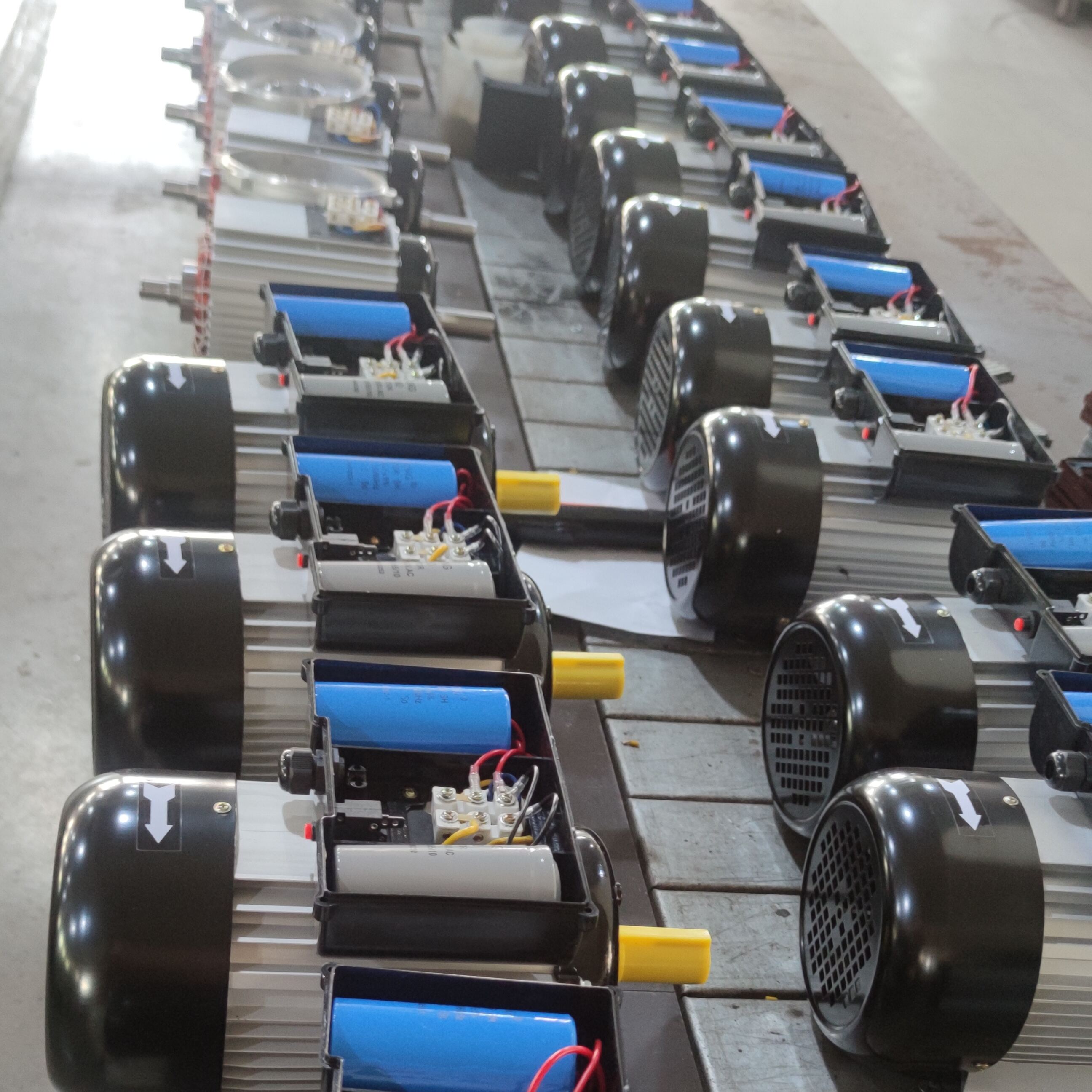
Understanding the fundamental differences between synchronous and asynchronous motors is crucial for CNC tool manufacturers and operators seeking optimal performance and efficiency. These two distinct motor types offer unique advantages depending on the specific application requirements, operational conditions, and precision demands of modern machining environments. The selection between synchronous and asynchronous motors significantly impacts energy consumption, torque characteristics, speed control capabilities, and overall system reliability in CNC applications.

The choice between these motor technologies directly influences productivity, precision, and operational costs in manufacturing environments. Modern CNC systems demand precise speed control, consistent torque delivery, and reliable performance under varying load conditions. Both synchronous and asynchronous motors have evolved significantly with advances in power electronics, control systems, and material science, making the selection process more nuanced than ever before.
Fundamental Operating Principles
Synchronous Motor Operation
Synchronous motors operate at a constant speed that remains synchronized with the frequency of the supply current, regardless of load variations within their rated capacity. The rotor in synchronous motors rotates at exactly the same speed as the rotating magnetic field produced by the stator windings. This synchronization is achieved through permanent magnets or electromagnets in the rotor that lock onto the stator's rotating magnetic field.
The magnetic field synchronization in synchronous motors ensures precise speed control and excellent dynamic response characteristics. These motors maintain their rotational speed even when mechanical loads fluctuate, making them ideal for applications requiring consistent positioning accuracy. The inherent design of synchronous and asynchronous motors differs significantly in how they respond to load changes and maintain operational stability.
Permanent magnet synchronous motors represent the most advanced form of this technology, offering superior efficiency and compact design compared to traditional wound rotor synchronous motors. The permanent magnets eliminate the need for rotor excitation current, reducing losses and improving overall system efficiency in CNC applications.
Asynchronous Motor Mechanics
Asynchronous motors, also known as induction motors, operate on the principle of electromagnetic induction between the stator and rotor. Unlike their synchronous counterparts, these motors always run at a speed slightly less than the synchronous speed, with this difference called slip. The slip allows the rotor to cut through the magnetic field lines, inducing current and creating the necessary torque for rotation.
The slip characteristic of asynchronous motors provides inherent overload protection and smooth starting capabilities. When mechanical loads increase, the motor naturally reduces speed slightly, which increases the induced current and torque to meet the demand. This self-regulating behavior makes asynchronous motors robust and suitable for applications with varying load conditions.
Variable frequency drives have revolutionized asynchronous motor control, enabling precise speed regulation and improved efficiency. Modern VFD technology allows operators to optimize the performance characteristics of synchronous and asynchronous motors according to specific machining requirements and energy efficiency goals.
Performance Characteristics in CNC Applications
Speed Control and Precision
The speed control capabilities of synchronous motors provide exceptional precision for CNC applications requiring exact positioning and consistent surface finishes. These motors can maintain speed accuracy within fractions of a percent, even under varying load conditions. The absence of slip ensures that commanded positions translate directly to actual rotor positions, eliminating cumulative positioning errors over extended operation periods.
Synchronous motors excel in applications requiring high-frequency starts and stops, rapid acceleration, and precise positioning control. The immediate response to control signals makes them particularly suitable for high-speed machining operations where positioning accuracy directly impacts product quality and dimensional tolerances.
Asynchronous motors, while traditionally less precise than synchronous types, have significantly improved with advanced control systems. Modern vector control and direct torque control techniques enable asynchronous motors to achieve positioning accuracies approaching those of synchronous systems, though with slightly higher complexity in the control algorithms.
Torque Delivery and Load Handling
The torque characteristics of synchronous and asynchronous motors differ substantially in how they respond to varying loads and speed requirements. Synchronous motors can deliver high torque at low speeds without compromising efficiency, making them ideal for heavy-duty machining operations and applications requiring high starting torque.
Asynchronous motors typically exhibit excellent torque characteristics across a wide speed range, with peak torque occurring at moderate slip values. This characteristic provides natural overload protection and smooth operation under variable loading conditions common in CNC machining operations.
The torque ripple in properly designed synchronous motors is minimal, contributing to smoother surface finishes and reduced vibration in precision machining applications. However, asynchronous motors may exhibit slight torque variations at low speeds, which can be mitigated through advanced control techniques and proper system design.
Energy Efficiency and Operating Costs
Efficiency Characteristics
Energy efficiency represents a critical factor in the selection between synchronous and asynchronous motors for CNC applications. Synchronous motors, particularly permanent magnet types, typically achieve efficiency levels of 95% or higher across their operating range. This superior efficiency results from the elimination of rotor losses associated with slip and reduced magnetic losses due to optimized magnetic circuit design.
The absence of slip losses in synchronous motors translates to lower operating temperatures and reduced cooling requirements. This thermal advantage extends motor life, reduces maintenance costs, and improves overall system reliability in demanding CNC environments where continuous operation is essential.
Asynchronous motors generally achieve efficiency levels between 85% and 92%, depending on size, design, and operating conditions. While lower than synchronous motors, modern high-efficiency induction motors still provide acceptable performance for many CNC applications, particularly when initial cost considerations are paramount.
Power Factor and System Impact
Power factor characteristics significantly influence the electrical system requirements and operating costs of motor installations. Synchronous motors can operate at unity power factor or even leading power factor, potentially improving the overall power factor of the electrical system. This capability can reduce utility demand charges and improve voltage regulation in facilities with multiple motor installations.
Asynchronous motors typically operate at lagging power factors, requiring reactive power compensation for optimal system performance. The power factor decreases with reduced loading, making proper sizing crucial for maintaining efficient operation across the motor's operating range.
The impact of power factor on total system costs extends beyond the motor itself to include transformer sizing, conductor requirements, and utility charges. Facilities with multiple CNC machines must consider the cumulative effect of motor power factor characteristics on overall electrical system design and operating costs.
Control System Integration
Drive System Requirements
The control system requirements for synchronous and asynchronous motors differ significantly in complexity and cost. Synchronous motors typically require more sophisticated drive systems with position feedback devices and advanced control algorithms to maintain synchronization and optimize performance. These systems often incorporate encoders, resolvers, or other position sensing devices to provide precise rotor position information.
Modern synchronous motor drives utilize field-oriented control or direct torque control strategies to achieve optimal performance across the entire speed and load range. These control methods require real-time processing capability and sophisticated software algorithms, contributing to higher initial system costs but delivering superior performance characteristics.
Asynchronous motor control systems have become increasingly sophisticated, with vector control drives providing performance characteristics approaching those of synchronous systems. The simpler rotor construction of asynchronous motors allows for sensorless control strategies in many applications, reducing system complexity and cost while maintaining acceptable performance levels.
Integration with CNC Controllers
The integration of motor drive systems with CNC controllers requires careful consideration of communication protocols, response times, and compatibility with existing automation systems. Synchronous motors excel in applications requiring tight integration between positioning commands and actual motor response, particularly in multi-axis machining centers where coordinated motion is critical.
Real-time communication between CNC controllers and motor drives enables advanced features such as look-ahead processing, adaptive feed rate optimization, and dynamic load balancing. These capabilities are particularly beneficial in high-speed machining applications where rapid changes in cutting conditions require immediate motor response.
The selection between synchronous and asynchronous motors must consider the existing control system architecture and future expansion requirements. Compatibility with industry-standard communication protocols and programming languages can significantly impact system integration costs and complexity.
Maintenance and Reliability Considerations
Maintenance Requirements
The maintenance requirements of synchronous and asynchronous motors vary based on their construction and operating principles. Synchronous motors with permanent magnet rotors require minimal maintenance due to the absence of slip rings, brushes, or rotor windings in many designs. The sealed bearing systems and robust construction typical of modern synchronous motors contribute to extended maintenance intervals and improved reliability.
Asynchronous motors feature simple, rugged construction with few wearing parts, making them inherently reliable and easy to maintain. The squirrel cage rotor design eliminates the need for rotor maintenance, while the robust stator construction can withstand harsh operating conditions common in machining environments.
Bearing maintenance represents the primary consideration for both motor types, with proper lubrication and alignment being critical for extended service life. The operating conditions in CNC applications, including vibration, temperature variations, and duty cycles, must be considered when establishing maintenance schedules and procedures.
Failure Modes and Diagnostics
Understanding the typical failure modes of synchronous and asynchronous motors enables proactive maintenance strategies and minimizes unexpected downtime. Synchronous motors may experience demagnetization of permanent magnets under extreme conditions, though modern magnet materials and proper thermal management have significantly reduced this risk.
Asynchronous motors commonly experience rotor bar cracking or bearing deterioration as primary failure modes. Modern condition monitoring systems can detect these issues early through vibration analysis, current signature analysis, and thermal monitoring, enabling planned maintenance activities that minimize production disruptions.
Predictive maintenance technologies have advanced significantly, with integrated sensors and diagnostic algorithms providing real-time health monitoring for both motor types. These systems enable condition-based maintenance strategies that optimize motor performance while minimizing maintenance costs and downtime.
Application-Specific Considerations
High-Speed Machining Applications
High-speed machining applications place unique demands on motor systems, requiring rapid acceleration, precise speed control, and consistent performance at elevated rotational speeds. Synchronous motors excel in these applications due to their ability to maintain precise speed control and deliver consistent torque across the entire speed range without slip-related losses.
The dynamic response characteristics of synchronous motors make them particularly suitable for applications requiring frequent speed changes and rapid positioning movements. The absence of rotor heating due to slip allows for continuous high-speed operation without thermal limitations that might affect asynchronous motors under similar conditions.
Balancing requirements become critical at high speeds for both motor types, though the rigid coupling between rotor and stator magnetic fields in synchronous motors can amplify any mechanical imbalances. Proper manufacturing tolerances and balancing procedures are essential for reliable high-speed operation.
Heavy-Duty Machining Requirements
Heavy-duty machining operations involving large workpieces, difficult-to-machine materials, or high material removal rates require motors capable of delivering high torque consistently while maintaining efficiency under varying load conditions. The selection between synchronous and asynchronous motors for these applications depends on specific torque requirements, duty cycles, and efficiency considerations.
Synchronous motors provide excellent low-speed torque characteristics without the efficiency penalties associated with slip in asynchronous motors. This advantage becomes particularly significant in applications requiring sustained high-torque operation at reduced speeds, such as gear hobbing or heavy roughing operations.
The thermal management requirements for heavy-duty applications must be carefully considered, as sustained high-power operation generates significant heat that must be dissipated to maintain motor performance and reliability. Both motor types benefit from adequate cooling systems and thermal protection to ensure reliable operation under demanding conditions.
FAQ
What are the main efficiency differences between synchronous and asynchronous motors in CNC applications
Synchronous motors typically achieve 2-5% higher efficiency than asynchronous motors due to the absence of slip losses and optimized magnetic circuit design. This efficiency advantage translates to lower operating costs, reduced cooling requirements, and improved overall system performance in continuous-duty CNC applications where energy consumption significantly impacts operating costs.
How do control system costs compare between synchronous and asynchronous motor installations
Synchronous motor control systems generally require higher initial investment due to more sophisticated drive electronics and feedback devices. However, the total system cost difference has decreased significantly with advances in control technology, and the superior performance characteristics often justify the additional investment in precision machining applications where productivity and quality are paramount.
Which motor type provides better positioning accuracy for CNC applications
Synchronous motors inherently provide superior positioning accuracy due to the fixed relationship between rotor position and stator magnetic field. The absence of slip eliminates cumulative positioning errors that can occur with asynchronous motors, making synchronous motors the preferred choice for applications requiring precise positioning and consistent repeatability over extended operation periods.
What maintenance advantages do asynchronous motors offer compared to synchronous motors
Asynchronous motors feature simpler construction with fewer precision components, making them generally more robust and easier to maintain. The absence of permanent magnets eliminates concerns about demagnetization, while the simple squirrel cage rotor design requires minimal maintenance. However, modern synchronous motors with permanent magnet rotors also offer excellent reliability with comparable maintenance requirements when properly designed and operated within specified parameters.
Table of Contents
- Fundamental Operating Principles
- Performance Characteristics in CNC Applications
- Energy Efficiency and Operating Costs
- Control System Integration
- Maintenance and Reliability Considerations
- Application-Specific Considerations
-
FAQ
- What are the main efficiency differences between synchronous and asynchronous motors in CNC applications
- How do control system costs compare between synchronous and asynchronous motor installations
- Which motor type provides better positioning accuracy for CNC applications
- What maintenance advantages do asynchronous motors offer compared to synchronous motors