 EN
EN

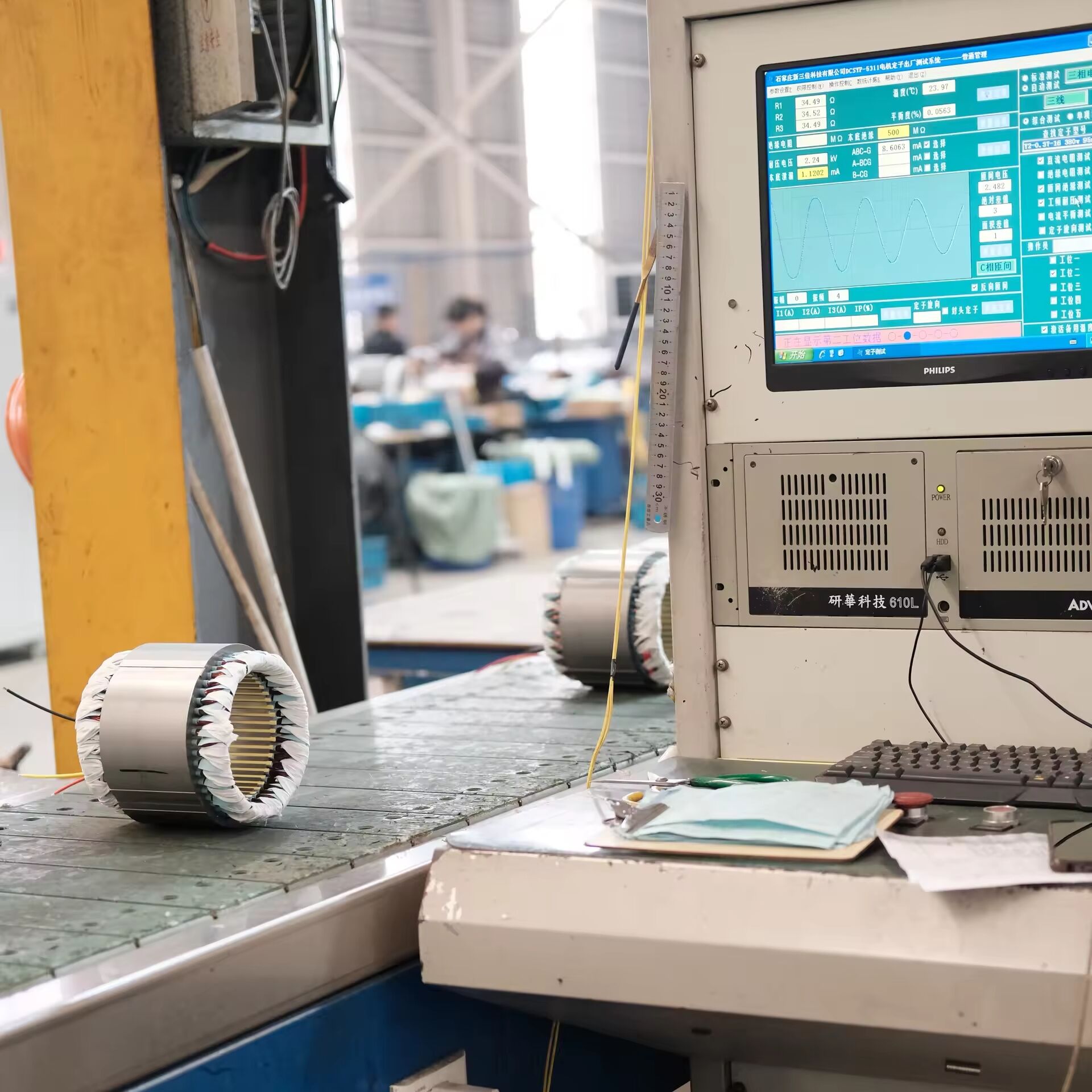
Manufacturing facilities worldwide are increasingly turning to advanced motor technologies to optimize their operations, reduce energy costs, and improve overall productivity. Among the various motor types available, synchronous motors have emerged as a compelling solution for industrial applications that demand precision, efficiency, and reliability. These sophisticated electrical machines operate at a constant speed synchronized with the supply frequency, offering unique benefits that make them particularly well-suited for factory environments where consistent performance is paramount.
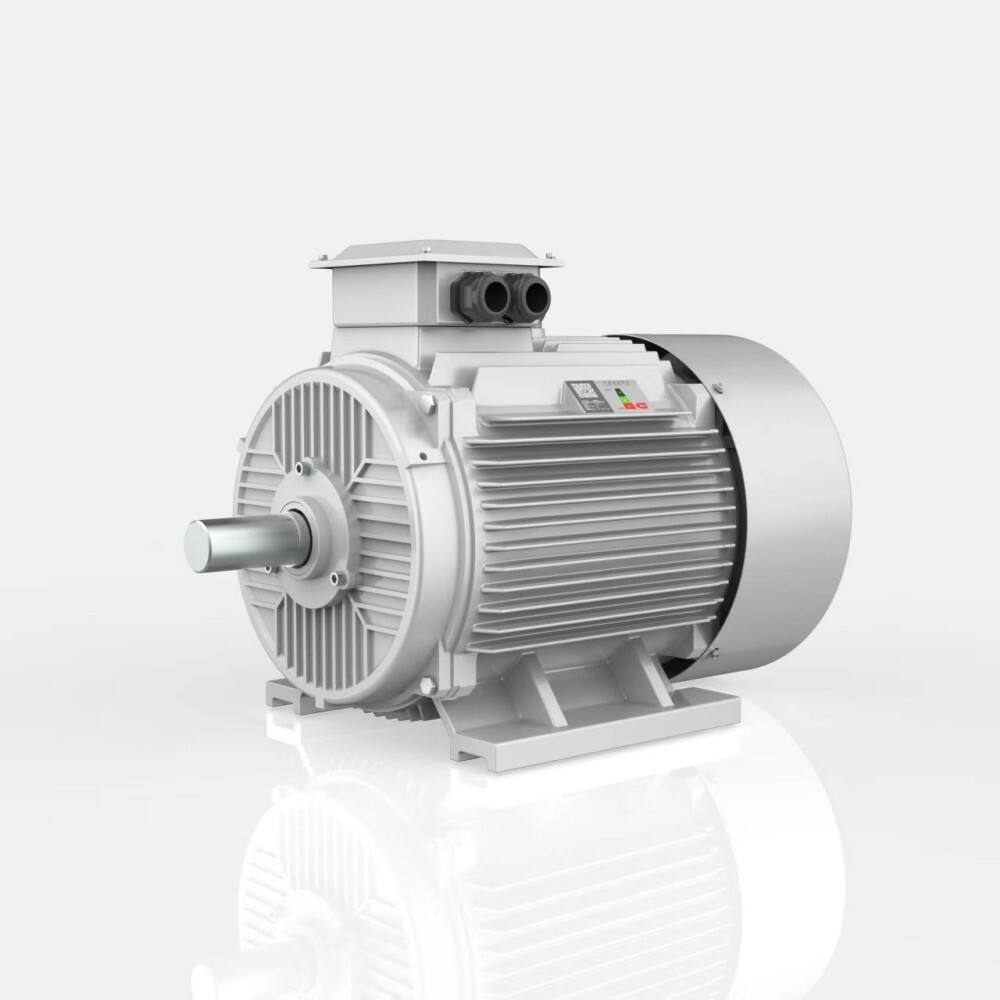
The industrial landscape has evolved significantly over the past decade, with manufacturers seeking motor solutions that not only deliver exceptional performance but also contribute to sustainability goals and operational cost reduction. Synchronous motors represent a technological advancement that addresses these multifaceted requirements through their inherent design characteristics and operational principles. Understanding the specific advantages these motors provide in factory settings is crucial for industrial engineers, facility managers, and decision-makers evaluating motor replacement or upgrade projects.
Superior Energy Efficiency and Power Factor Correction
Enhanced Electrical Efficiency Performance
Synchronous motors demonstrate exceptional energy efficiency compared to their asynchronous counterparts, particularly in applications requiring constant speed operation. These motors can achieve efficiency ratings exceeding 95% in many industrial applications, translating directly into reduced electrical consumption and lower operational costs. The efficiency advantage becomes even more pronounced in facilities operating motors continuously or for extended periods throughout the production cycle.
The superior efficiency stems from the motor's ability to maintain synchronization with the supply frequency without the slip losses inherent in induction motors. This characteristic ensures that virtually all electrical energy input is converted to mechanical output, with minimal losses occurring in the rotor circuit. For manufacturing facilities processing large volumes or operating energy-intensive equipment, these efficiency gains can result in substantial cost savings over the motor's operational lifetime.
Power Factor Optimization Benefits
One of the most significant advantages of synchronous motors in factory applications is their ability to operate at unity power factor or even provide leading power factor correction. This capability allows facilities to improve their overall electrical system efficiency while potentially reducing utility demand charges and power factor penalties imposed by electrical suppliers.
Manufacturing plants often struggle with poor power factor conditions caused by inductive loads such as transformers, fluorescent lighting, and conventional induction motors. By strategically implementing synchronous motors in key applications, facilities can correct these power factor issues at the source, improving voltage stability and reducing reactive power demand throughout the electrical distribution system. This optimization can lead to improved performance of other electrical equipment and reduced stress on the facility's electrical infrastructure.
Precise Speed Control and Operational Reliability
Constant Speed Operation Advantages
Factory operations frequently require equipment that maintains precise, constant speed regardless of load variations or supply voltage fluctuations. Synchronous motors excel in these applications because their rotational speed is directly tied to the supply frequency, providing exceptional speed stability that is virtually independent of load conditions. This characteristic makes them ideal for applications such as conveyor systems, packaging equipment, and precision manufacturing processes where speed consistency is critical.
The ability to maintain constant speed under varying load conditions eliminates the speed droop associated with induction motors, ensuring consistent product quality and process timing. In automated production lines where synchronization between multiple processes is essential, synchronous motors provide the reliability and predictability required for optimal system performance. This speed stability also reduces the need for complex speed feedback systems and controllers in many applications.
Enhanced System Reliability and Durability
Synchronous motors, particularly permanent magnet synchronous motor designs, offer exceptional reliability in industrial environments due to their robust construction and simplified maintenance requirements. The absence of slip rings and carbon brushes in many modern synchronous motor designs reduces wear components and extends maintenance intervals, resulting in lower total cost of ownership and improved system uptime.
The inherent design characteristics of synchronous motors contribute to their longevity in demanding factory environments. These motors generate less heat during operation compared to equivalent induction motors, reducing thermal stress on insulation systems and bearing assemblies. Additionally, the precise speed control capability reduces mechanical stress on driven equipment, extending the operational life of the entire system and minimizing unexpected downtime that can disrupt production schedules.
Advanced Control Capabilities and Integration Features
Variable Speed Drive Compatibility
Modern synchronous motors integrate seamlessly with advanced variable frequency drives and control systems, enabling sophisticated automation capabilities that enhance factory productivity and flexibility. These motors respond exceptionally well to electronic control, providing precise torque and speed regulation across a wide operating range. The combination of synchronous motors with intelligent drive systems enables energy optimization features such as automatic efficiency optimization and regenerative braking capabilities.
The integration capabilities extend to factory automation systems, where synchronous motors can communicate operational data and status information to centralized monitoring systems. This connectivity enables predictive maintenance strategies, real-time performance monitoring, and automated optimization of motor operation based on production requirements. Such integration capabilities are increasingly valuable in smart manufacturing environments where data-driven decision making and operational transparency are essential.
Regenerative Capability and Energy Recovery
Synchronous motors equipped with appropriate drive systems can operate in regenerative mode, returning energy to the electrical system during braking or load reduction cycles. This capability is particularly valuable in factory applications involving frequent start-stop cycles, material handling systems with regenerative braking requirements, or processes where kinetic energy recovery can contribute to overall energy efficiency improvements.
The regenerative capability not only improves energy efficiency but also reduces mechanical stress on braking systems and drive components. In applications such as cranes, elevators, or conveyor systems with declining sections, the ability to recover energy during controlled deceleration provides both economic and operational benefits. This feature becomes increasingly important as manufacturing facilities focus on comprehensive energy management strategies and sustainability initiatives.
Economic Benefits and Return on Investment
Operational Cost Reduction Analysis
The economic advantages of implementing synchronous motors in factory applications extend beyond simple energy savings to encompass reduced maintenance costs, improved productivity, and enhanced system reliability. The higher initial investment typically associated with synchronous motor technology is often offset by operational savings within the first few years of operation, particularly in applications with high duty cycles or continuous operation requirements.
Energy cost savings represent the most immediate and quantifiable benefit, with efficiency improvements of 3-8% compared to standard induction motors translating directly to reduced electricity bills. For large manufacturing facilities operating multiple motor-driven systems, these savings can accumulate to significant annual cost reductions. Additionally, power factor correction benefits may result in reduced utility demand charges and elimination of power factor penalties, further improving the economic case for synchronous motor implementation.
Long-term Value Proposition
The long-term value proposition of synchronous motors encompasses reliability improvements, extended equipment life, and reduced maintenance requirements that contribute to lower total cost of ownership. These motors typically demonstrate longer service life compared to conventional alternatives, reducing replacement frequency and associated capital expenditure over the facility's operational timeframe.
Manufacturing facilities investing in synchronous motor technology also position themselves favorably for future regulatory requirements and sustainability initiatives. As energy efficiency standards become more stringent and carbon footprint reduction becomes increasingly important, facilities equipped with high-efficiency synchronous motors will be better prepared to meet these challenges without requiring additional capital investment for motor upgrades or replacements.
Application-Specific Advantages in Manufacturing
Process Industry Applications
In process manufacturing applications such as chemical processing, pharmaceutical production, and food processing, synchronous motors provide the precise control and reliability required for critical process equipment. These motors excel in applications driving pumps, compressors, mixers, and conveyor systems where consistent speed and torque characteristics are essential for product quality and process efficiency.
The ability to maintain constant speed regardless of process load variations ensures consistent mixing ratios, uniform heating or cooling rates, and precise material flow rates throughout the production process. This consistency directly impacts product quality and reduces waste associated with process variations or speed-related quality issues. Additionally, the improved power factor characteristics help maintain stable voltage conditions for sensitive process control equipment and instrumentation systems.
Discrete Manufacturing and Assembly Operations
Discrete manufacturing facilities benefit significantly from synchronous motor implementation in assembly line applications, material handling systems, and precision machining operations. The constant speed characteristics ensure consistent cycle times and enable precise synchronization between multiple production processes, improving overall equipment effectiveness and throughput rates.
In automated assembly operations, the precise speed control capability of synchronous motors enables accurate positioning and timing control without the need for complex feedback systems. This simplification reduces system complexity while improving reliability and reducing maintenance requirements. The enhanced efficiency also reduces heat generation in enclosed manufacturing environments, contributing to improved working conditions and reduced cooling system loads.
FAQ
What maintenance requirements do synchronous motors have compared to induction motors
Synchronous motors, particularly permanent magnet designs, typically require less maintenance than conventional induction motors due to the absence of slip rings and brushes in many configurations. Routine maintenance primarily involves bearing lubrication, periodic vibration monitoring, and electrical connection inspection. The reduced heat generation and absence of rotor losses contribute to extended bearing life and reduced insulation system degradation, resulting in longer maintenance intervals and lower maintenance costs over the motor's operational lifetime.
How do synchronous motors perform in variable load applications
Synchronous motors excel in variable load applications due to their ability to maintain constant speed regardless of load variations within their rated capacity. This characteristic ensures consistent process performance and eliminates speed-related variations in product quality or system timing. When combined with variable frequency drives, synchronous motors can provide exceptional torque control and energy efficiency across a wide range of operating conditions, making them suitable for applications with frequently changing load requirements.
What are the initial cost considerations for synchronous motor implementation
While synchronous motors typically have higher initial purchase costs compared to standard induction motors, the total cost of ownership often favors synchronous technology due to energy savings, reduced maintenance requirements, and improved reliability. The payback period varies depending on application duty cycle, energy costs, and operational requirements, but typically ranges from 18 months to 4 years. Facilities should consider energy savings, power factor correction benefits, and reduced maintenance costs when evaluating the economic justification for synchronous motor implementation.
Can existing factory electrical systems support synchronous motor installation
Most modern factory electrical systems can accommodate synchronous motor installation with minimal modifications, particularly when replacing existing motors of similar ratings. However, facilities may need to consider drive system compatibility, control system integration requirements, and electrical protection coordination. The power factor correction benefits of synchronous motors often improve overall electrical system performance, potentially allowing increased loading of existing electrical infrastructure while maintaining voltage stability and reducing system losses throughout the distribution network.
Table of Contents
- Superior Energy Efficiency and Power Factor Correction
- Precise Speed Control and Operational Reliability
- Advanced Control Capabilities and Integration Features
- Economic Benefits and Return on Investment
- Application-Specific Advantages in Manufacturing
-
FAQ
- What maintenance requirements do synchronous motors have compared to induction motors
- How do synchronous motors perform in variable load applications
- What are the initial cost considerations for synchronous motor implementation
- Can existing factory electrical systems support synchronous motor installation