 EN
EN

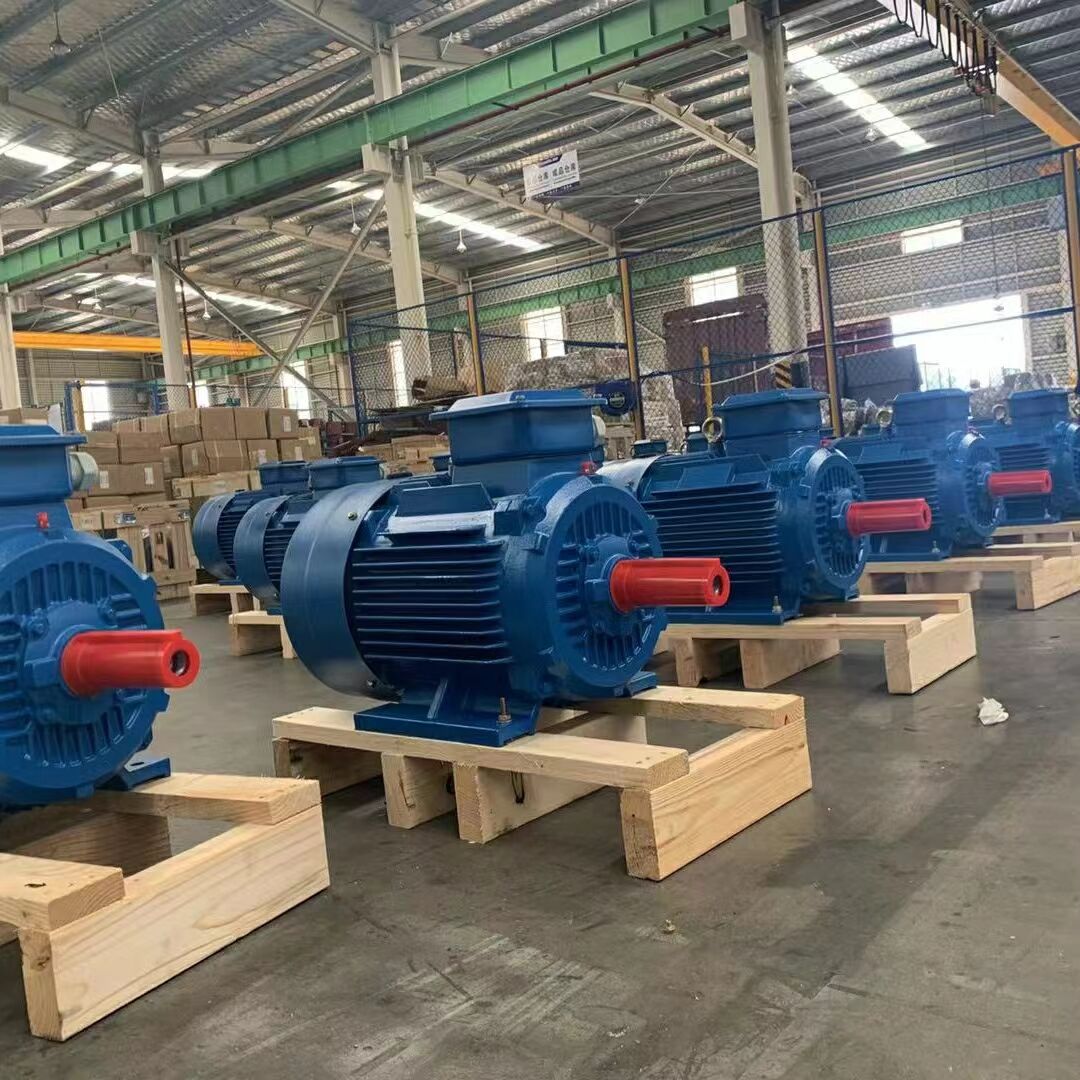
Industrial facilities rely heavily on three phase motors to power critical equipment and maintain production efficiency. These robust electrical machines form the backbone of manufacturing operations, driving everything from conveyor systems to heavy machinery. However, like all mechanical equipment, three phase motors have finite lifespans and eventually require replacement to maintain optimal performance and prevent costly downtime.
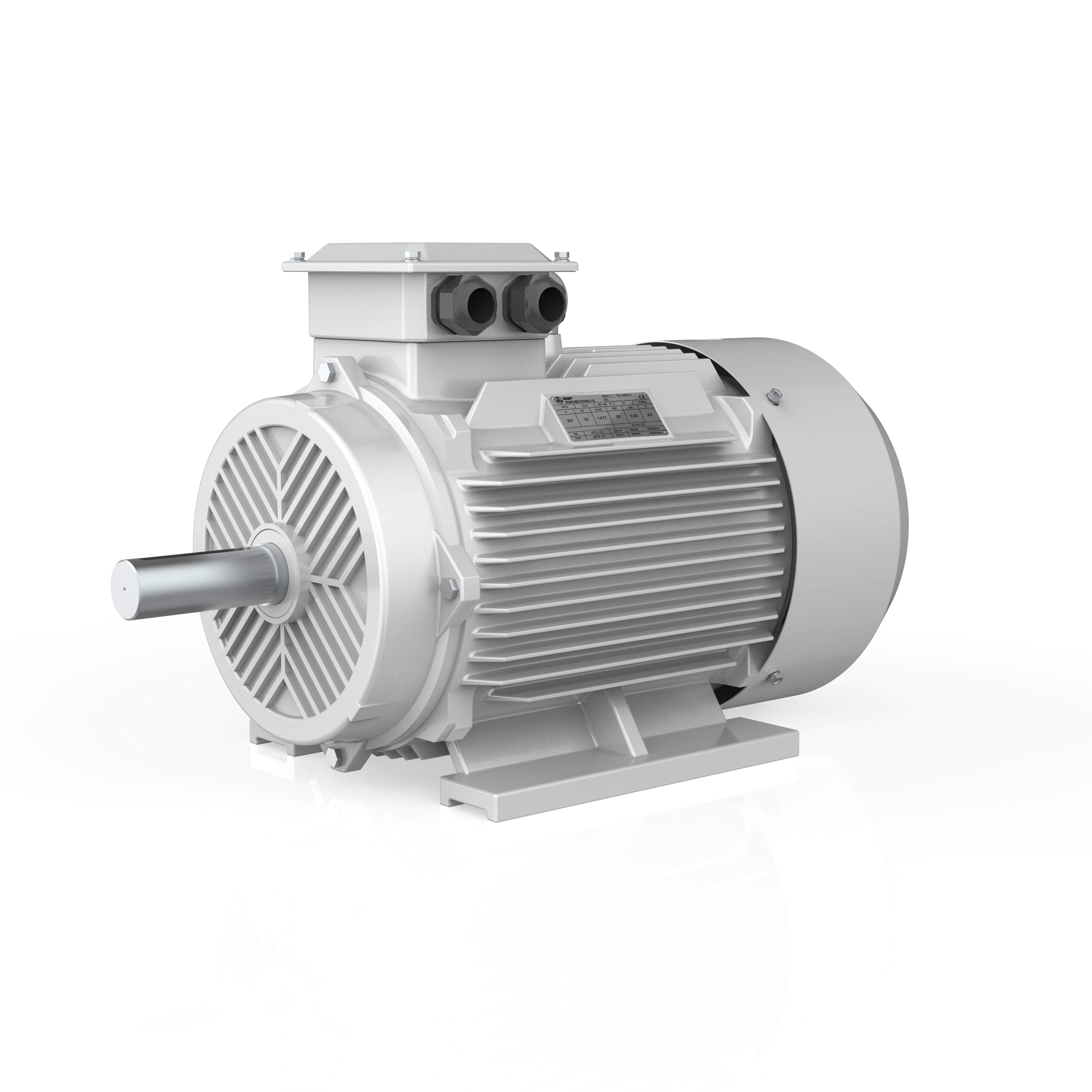
Determining the right time for motor replacement requires careful evaluation of multiple factors including performance metrics, maintenance costs, and operational requirements. Factory managers must balance the immediate costs of replacement against the long-term benefits of improved efficiency and reduced maintenance expenses. Understanding the key indicators that signal motor replacement needs can help prevent unexpected failures and optimize production schedules.
Modern manufacturing environments demand reliable power transmission systems that can operate continuously under varying load conditions. When motors begin showing signs of deterioration, prompt action becomes essential to maintain production quality and worker safety. The decision to replace rather than repair often depends on economic considerations and the strategic importance of the equipment in question.
Performance Degradation Indicators
Reduced Efficiency Measurements
Motor efficiency naturally declines over time due to bearing wear, insulation degradation, and rotor bar deterioration. When efficiency drops below acceptable thresholds, typically 85-90% for standard industrial applications, replacement becomes economically justified. Regular efficiency monitoring through power analysis helps identify gradual performance decline before catastrophic failure occurs.
Energy consumption patterns provide valuable insights into motor condition and replacement timing. A three phase motor operating at reduced efficiency consumes more electricity to produce the same mechanical output, directly impacting operational costs. Facility managers should establish baseline measurements and monitor monthly consumption trends to identify motors requiring attention.
Thermal imaging surveys reveal hot spots and temperature anomalies that indicate internal component stress or failure. Motors operating above normal temperature ranges experience accelerated insulation breakdown and bearing deterioration. When thermal signatures consistently exceed manufacturer specifications, replacement planning should begin immediately to prevent unexpected shutdowns.
Vibration and Noise Analysis
Excessive vibration levels indicate mechanical imbalances, bearing problems, or rotor issues that compromise motor reliability. Vibration monitoring equipment can detect subtle changes in motor operation patterns long before visible damage occurs. When vibration amplitudes exceed industry standards or show increasing trends, motor replacement becomes necessary to prevent secondary equipment damage.
Unusual noise patterns such as grinding, squealing, or irregular humming sounds signal internal component deterioration. These acoustic indicators often precede complete motor failure by weeks or months, providing valuable lead time for replacement planning. Maintenance teams should document noise characteristics and frequency patterns to establish replacement priorities.
Bearing condition monitoring through ultrasonic analysis reveals early-stage wear patterns and lubrication issues. Failed bearings can cause extensive secondary damage to motor windings and shaft components, making replacement more cost-effective than comprehensive repairs. Regular bearing assessment helps optimize replacement timing and minimize unexpected downtime.
Economic Replacement Considerations
Maintenance Cost Analysis
Rising maintenance expenses often justify motor replacement even when equipment continues operating. Frequent repairs, extended downtime periods, and increased spare parts consumption indicate approaching end-of-life conditions. Financial analysis should compare projected maintenance costs against replacement investment over defined time horizons.
Labor costs associated with motor maintenance include both routine servicing and emergency repairs. Older motors typically require more frequent attention and specialized expertise that may not be readily available. When maintenance labor exceeds reasonable percentages of replacement costs, upgrading to newer equipment becomes economically advantageous.
Spare parts availability and pricing significantly influence replacement decisions for aging motor equipment. Obsolete components may require custom manufacturing or extensive lead times that disrupt production schedules. Modern three phase motor designs offer improved parts availability and standardized components that reduce long-term maintenance complexity.
Energy Efficiency Improvements
Contemporary motor designs achieve significantly higher efficiency ratings than equipment manufactured even a decade ago. Premium efficiency motors can reduce energy consumption by 2-8% compared to standard designs, generating substantial cost savings over operational lifetimes. These efficiency gains often justify replacement investments through reduced utility expenses.
Variable frequency drive compatibility represents another economic consideration when evaluating motor replacement timing. Modern motors designed for VFD operation provide precise speed control and additional energy savings opportunities. Upgrading motor and drive systems simultaneously maximizes efficiency improvements and operational flexibility.
Utility rebate programs and energy efficiency incentives can offset replacement costs and improve project economics. Many utilities offer substantial rebates for premium efficiency motor installations, making replacement projects more attractive from financial perspectives. These programs often have specific timing requirements that influence optimal replacement schedules.
Safety and Reliability Factors
Electrical Hazard Prevention
Deteriorating insulation systems pose significant electrical safety risks in industrial environments. Insulation resistance testing reveals progressive breakdown that can lead to ground faults, short circuits, or personnel hazards. When insulation resistance falls below acceptable limits, immediate motor replacement becomes necessary to maintain workplace safety standards.
Arc flash incidents often result from aging electrical equipment including worn motor components. Modern motors incorporate improved safety features and comply with current electrical codes that reduce arc flash risks. Proactive replacement of older equipment helps maintain comprehensive electrical safety programs and regulatory compliance.
Ground fault protection systems may trigger more frequently as motor insulation degrades over time. Nuisance tripping disrupts production schedules and indicates underlying electrical problems requiring attention. Replacing motors before insulation failure occurs prevents costly shutdowns and maintains system reliability.
Production Continuity Requirements
Critical process applications require extremely high reliability levels that aging motors may not provide. Emergency replacement situations create significant costs including expedited shipping, overtime labor, and production losses. Planned replacement programs eliminate these premium expenses while ensuring continuous operation.
Backup motor availability influences replacement timing decisions for essential equipment. Facilities with spare motor inventory can afford to operate equipment longer before replacement becomes critical. However, maintaining extensive spare parts inventory ties up capital resources that could be invested in planned upgrades.
Production scheduling flexibility allows strategic motor replacement during planned maintenance windows rather than emergency situations. Coordinating replacements with other maintenance activities maximizes resource utilization and minimizes production disruption. Advanced planning enables better vendor negotiations and equipment selection processes.
Technology Upgrade Opportunities
Smart Motor Integration
Industrial Internet of Things technology transforms motor monitoring and maintenance practices through continuous data collection and analysis. Smart motors provide real-time performance feedback that enables predictive maintenance strategies and optimized operation parameters. These technological advantages justify replacement even when existing equipment remains functional.
Condition monitoring sensors integrated into modern motor designs eliminate external monitoring equipment requirements and reduce installation complexity. Built-in vibration sensors, temperature monitoring, and current analysis provide comprehensive equipment health assessment. This integrated approach simplifies maintenance programs and improves diagnostic accuracy.
Remote monitoring capabilities allow centralized oversight of distributed motor installations across large facilities. Maintenance teams can identify developing problems and schedule interventions before equipment failures occur. These proactive approaches reduce maintenance costs and improve overall equipment effectiveness metrics.
Environmental Compliance Benefits
Newer motor designs often incorporate environmentally friendly materials and manufacturing processes that support corporate sustainability initiatives. Improved efficiency reduces carbon footprint and supports environmental reporting requirements. These factors may influence replacement decisions independently of purely economic considerations.
Noise reduction capabilities in modern motor designs help facilities meet increasingly stringent environmental regulations. Quieter operation improves working conditions and reduces community impact in urban industrial locations. These regulatory compliance benefits add value beyond direct operational improvements.
Disposal considerations for aging motors include hazardous material handling and recycling requirements. Planning replacement projects allows proper disposal coordination and may recover valuable materials through recycling programs. These end-of-life factors should be incorporated into comprehensive replacement analysis.
FAQ
How long should a three phase motor typically last in industrial service
Industrial three phase motors typically operate reliably for 15-20 years under normal conditions with proper maintenance. However, actual lifespan varies significantly based on operating environment, load characteristics, and maintenance quality. Motors in harsh conditions or continuous duty applications may require replacement after 10-12 years, while equipment in favorable environments can exceed 25 years of service life.
What are the most cost-effective indicators for timing motor replacement
Energy consumption monitoring provides the most cost-effective replacement indicator through regular utility bill analysis and power measurements. Rising energy costs combined with declining efficiency create clear economic justification for replacement investments. Maintenance cost tracking and vibration monitoring also provide valuable timing indicators without requiring expensive diagnostic equipment.
Can partial motor repairs extend service life sufficiently to delay replacement
Major repairs such as rewinding or bearing replacement can extend motor life by several years if the rest of the motor remains in good condition. However, repair costs often approach 60-80% of replacement costs while providing only partial restoration of original performance. Complete replacement typically offers better long-term value through improved efficiency, reliability, and warranty coverage.
How do modern motor efficiency standards compare to older equipment
Current NEMA Premium and IE3 efficiency standards require motors to operate at 91-96% efficiency compared to 85-91% for standard motors manufactured before 2010. This 2-8% improvement generates significant energy savings over motor lifetime, often justifying replacement based solely on utility cost reduction. Additional benefits include improved power factor and reduced heat generation.