 EN
EN

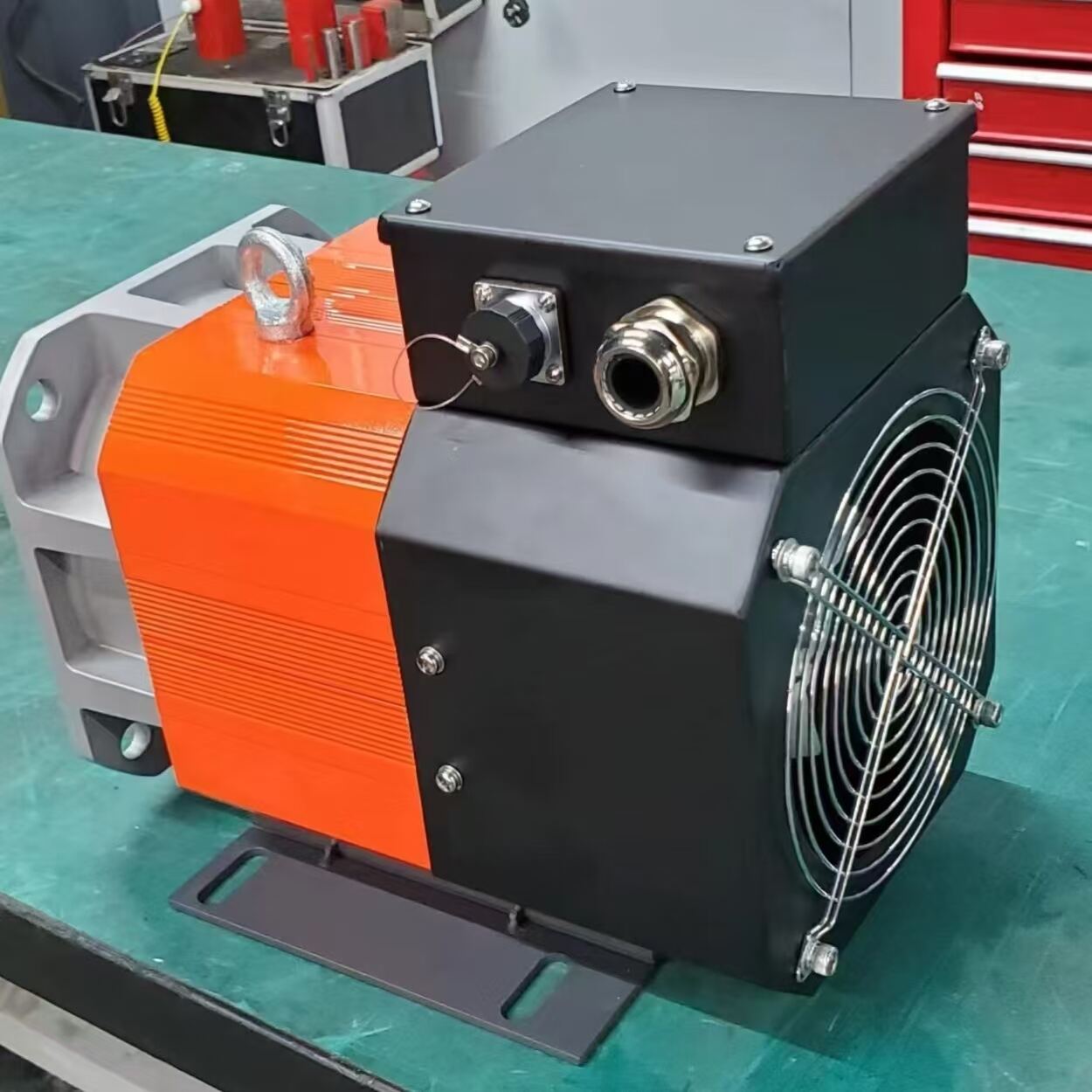
The industrial landscape is experiencing a significant transformation as companies prioritize energy efficiency and sustainable operations. Among the various motor technologies available today, permanent magnet synchronous motors have emerged as a leading solution for organizations seeking to reduce energy consumption while maintaining optimal performance. These advanced motor systems offer remarkable efficiency improvements compared to traditional motor designs, making them an attractive choice for industries ranging from manufacturing to HVAC applications. Understanding the specific advantages of permanent magnet synchronous motors can help decision-makers implement energy-saving strategies that deliver both environmental benefits and substantial cost reductions.
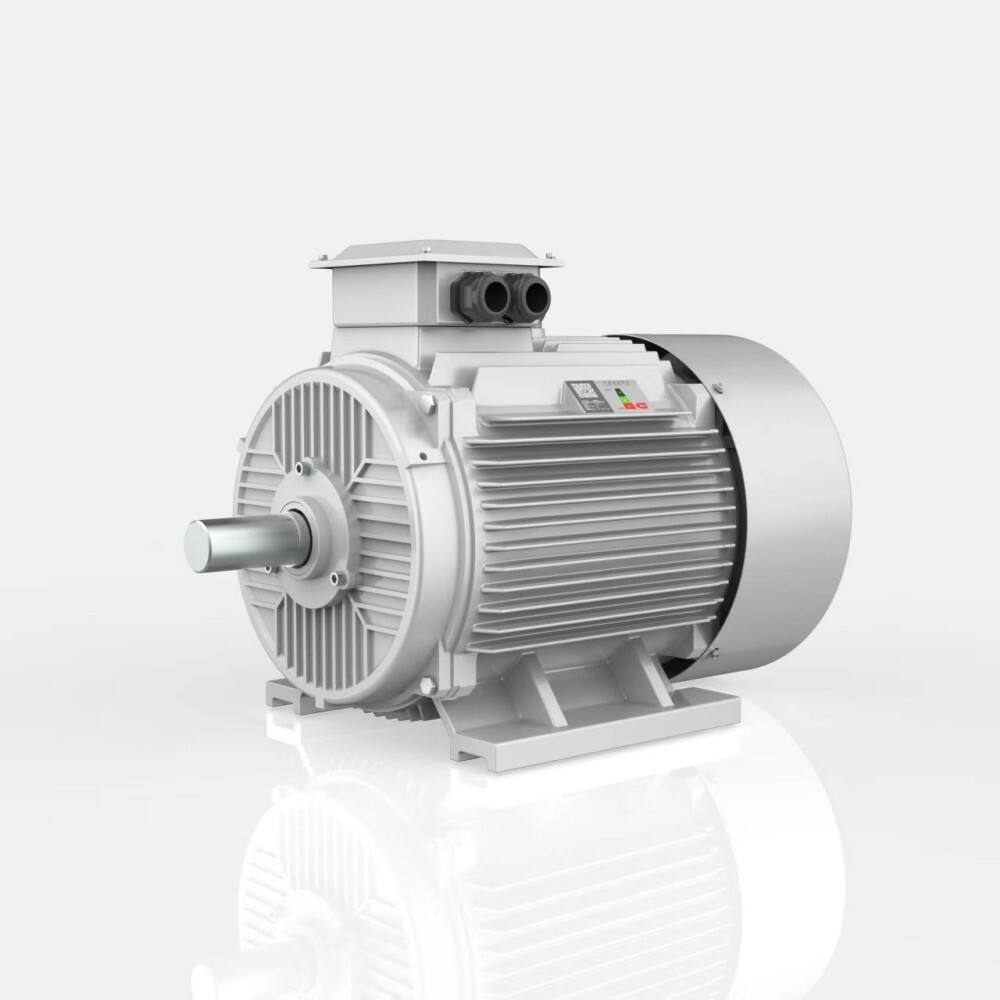
Fundamental Efficiency Principles of Permanent Magnet Synchronous Motors
Advanced Magnetic Field Design
The core advantage of permanent magnet synchronous motors lies in their sophisticated magnetic field design that eliminates many energy losses associated with conventional motor technologies. Unlike induction motors that require magnetizing current to create rotor flux, permanent magnet synchronous motors utilize high-energy permanent magnets to generate the magnetic field. This fundamental difference eliminates rotor losses and significantly reduces the overall energy consumption of the motor system. The permanent magnets maintain their magnetic strength consistently, ensuring optimal performance throughout the motor's operational lifecycle.
The magnetic field strength in permanent magnet synchronous motors remains constant regardless of load variations, which contributes to their exceptional efficiency characteristics. This design feature allows the motor to maintain high efficiency levels across a wide range of operating conditions, making them particularly suitable for variable load applications. The precise control of magnetic flux in these motors enables optimal torque production while minimizing energy waste, resulting in efficiency ratings that often exceed 95% in premium models.
Reduced Heat Generation and Cooling Requirements
Energy efficiency in permanent magnet synchronous motors is further enhanced by their ability to generate significantly less heat during operation compared to traditional motor designs. The absence of rotor winding resistance losses means that permanent magnet synchronous motors produce less waste heat, which translates directly into energy savings. This reduced heat generation also decreases the cooling requirements for the motor system, leading to additional energy savings in cooling equipment and ventilation systems.
The lower operating temperatures of permanent magnet synchronous motors contribute to extended component life and reduced maintenance requirements. This thermal advantage not only saves energy but also reduces the total cost of ownership by minimizing cooling system energy consumption and extending maintenance intervals. Industrial facilities can benefit from reduced HVAC loads when implementing permanent magnet synchronous motors, creating a compound energy-saving effect throughout the entire facility.
Operational Advantages in Variable Speed Applications
Superior Speed Control Efficiency
Variable frequency drive applications represent one of the most significant opportunities for energy savings with permanent magnet synchronous motors. These motors demonstrate exceptional efficiency when operating at varying speeds, maintaining high performance across the entire speed range. Traditional induction motors experience significant efficiency drops at reduced speeds, whereas permanent magnet synchronous motors maintain their high efficiency characteristics even at lower operational speeds. This advantage makes them ideal for applications requiring frequent speed adjustments or continuous variable operation.
The precise speed control capabilities of permanent magnet synchronous motors enable optimal matching of motor output to actual load requirements, preventing energy waste associated with oversized or inefficiently controlled motor systems. Advanced control algorithms can maximize the energy efficiency of permanent magnet synchronous motors by continuously optimizing the motor operation based on real-time load conditions. This intelligent control capability results in substantial energy savings in applications such as pumps, fans, and conveyor systems where load requirements vary throughout the operational cycle.
Power Factor Optimization
Permanent magnet synchronous motors offer significant advantages in power factor management, which directly impacts overall system energy efficiency. These motors can operate at unity power factor or even leading power factor conditions, reducing reactive power consumption and improving the overall power quality of the electrical system. The ability to control power factor in permanent magnet synchronous motors can eliminate the need for separate power factor correction equipment, resulting in additional energy and cost savings.
Improved power factor characteristics of permanent magnet synchronous motors reduce transmission losses in electrical distribution systems and can help facilities avoid power factor penalty charges from utility companies. The reactive power compensation provided by these motors can benefit the entire electrical system, improving voltage stability and reducing current draw throughout the facility. This system-wide improvement in power quality contributes to enhanced efficiency of other electrical equipment and reduces overall energy consumption.
Maintenance and Lifecycle Energy Benefits
Reduced Maintenance Energy Requirements
The design characteristics of permanent magnet synchronous motors contribute to significant maintenance-related energy savings throughout their operational lifecycle. The absence of slip rings, brushes, and rotor windings eliminates many common failure points and reduces the frequency of maintenance interventions. This reliability advantage translates into energy savings by reducing downtime and eliminating the energy consumption associated with frequent motor replacements and repairs.
Permanent magnet synchronous motors typically require less frequent bearing replacements and lubrication compared to conventional motors due to their balanced rotor design and reduced vibration levels. The precise manufacturing tolerances and advanced materials used in permanent magnet synchronous motors contribute to smoother operation and extended component life. These factors combine to reduce the energy consumed in maintenance activities and minimize production disruptions that would otherwise require additional energy to compensate for lost productivity.
Long-term Performance Stability
The performance characteristics of permanent magnet synchronous motors remain stable over extended periods, ensuring consistent energy efficiency throughout their operational life. Unlike induction motors that may experience gradual efficiency degradation due to rotor bar deterioration or bearing wear, permanent magnet synchronous motors maintain their efficiency ratings with minimal degradation over time. This long-term stability ensures that the energy-saving benefits of these motors continue to provide value throughout their entire service life.
Advanced monitoring capabilities integrated into modern permanent magnet synchronous motors enable predictive maintenance strategies that optimize energy consumption while preventing unexpected failures. Real-time monitoring of motor parameters allows for proactive adjustments to maintain peak efficiency and identify potential issues before they impact energy performance. This intelligent approach to motor management maximizes the energy-saving potential of permanent magnet synchronous motors while extending their operational lifespan.
Industrial Applications and Energy Impact
Manufacturing Process Optimization
Manufacturing facilities implementing permanent magnet synchronous motors in their production processes can achieve substantial energy savings while improving product quality and consistency. The precise speed and torque control capabilities of these motors enable optimization of manufacturing processes that directly impact energy consumption. Applications such as CNC machining, material handling, and assembly line operations benefit from the enhanced control precision and efficiency of permanent magnet synchronous motors.
The ability to maintain consistent performance characteristics in permanent magnet synchronous motors reduces process variations that can lead to quality issues and energy waste. Improved process control translates into reduced scrap rates, lower rework requirements, and optimized material usage, all contributing to overall energy efficiency improvements in manufacturing operations. The precise positioning capabilities of permanent magnet synchronous motors also enable more efficient automation systems that consume less energy while achieving higher productivity levels.
HVAC and Building Systems Integration
Building automation systems incorporating permanent magnet synchronous motors in HVAC applications demonstrate significant energy savings compared to traditional motor technologies. These motors excel in variable air volume systems, chiller applications, and pump operations where load requirements fluctuate based on building occupancy and environmental conditions. The high efficiency of permanent magnet synchronous motors at partial load conditions makes them particularly suitable for these applications.
Smart building integration capabilities of permanent magnet synchronous motors enable dynamic optimization of building systems based on real-time occupancy and environmental data. This intelligent control approach maximizes energy savings by ensuring that HVAC systems operate only when needed and at optimal efficiency levels. The combination of high motor efficiency and intelligent control systems can reduce building energy consumption by 20-40% compared to conventional motor-driven HVAC systems.
Economic Benefits of Energy Efficiency
Operational Cost Reduction
The energy savings achieved through permanent magnet synchronous motors translate directly into reduced operational costs for industrial and commercial facilities. Lower energy consumption results in decreased electricity bills, while the improved efficiency characteristics of these motors reduce demand charges and power quality penalties. The economic benefits of permanent magnet synchronous motors extend beyond direct energy costs to include reduced cooling expenses and lower maintenance expenditures.
Return on investment calculations for permanent magnet synchronous motors typically show payback periods of 2-4 years in most applications, with continued savings throughout the motor's operational life. The combination of energy savings, reduced maintenance costs, and improved system reliability creates a compelling economic case for upgrading to permanent magnet synchronous motors. Many organizations report total cost savings of 15-30% when implementing comprehensive permanent magnet synchronous motor programs across their facilities.
Environmental Impact and Sustainability
The environmental benefits of permanent magnet synchronous motors align with corporate sustainability goals while providing tangible energy savings. Reduced energy consumption directly translates into lower carbon emissions, particularly when considering the efficiency improvements across large motor populations. Organizations implementing permanent magnet synchronous motors can significantly reduce their carbon footprint while achieving cost savings and operational improvements.
Sustainability reporting requirements increasingly focus on energy efficiency metrics, making permanent magnet synchronous motors valuable assets for demonstrating environmental stewardship. The long operational life and high efficiency of these motors contribute to reduced environmental impact through decreased manufacturing requirements and lower lifetime energy consumption. Companies adopting permanent magnet synchronous motors often find that the environmental benefits support their sustainability initiatives while providing measurable economic returns.
FAQ
How much energy can permanent magnet synchronous motors save compared to standard induction motors
Permanent magnet synchronous motors typically achieve 2-5% higher efficiency than premium efficiency induction motors, and up to 10-15% higher efficiency than standard induction motors. In variable speed applications, the energy savings can be even more significant, often reaching 20-40% due to their superior partial load efficiency characteristics. The actual energy savings depend on the specific application, operating conditions, and load profile of the motor system.
What maintenance requirements do permanent magnet synchronous motors have
Permanent magnet synchronous motors require significantly less maintenance than conventional motor technologies due to their simplified rotor design without brushes, slip rings, or rotor windings. Primary maintenance activities include bearing lubrication and inspection, which typically occurs less frequently than with induction motors due to reduced vibration and heat generation. The absence of rotor electrical components eliminates many common failure modes and extends maintenance intervals.
Are permanent magnet synchronous motors suitable for all industrial applications
While permanent magnet synchronous motors offer excellent energy efficiency advantages, they are particularly well-suited for applications requiring precise speed control, variable speed operation, or high efficiency at partial loads. Applications with frequent start-stop cycles, constant high-load operation, or extreme environmental conditions may require careful evaluation to ensure optimal performance. The higher initial cost of permanent magnet synchronous motors makes them most economical in applications where energy savings justify the investment.
How do permanent magnet synchronous motors perform in high-temperature environments
Permanent magnet synchronous motors can operate effectively in elevated temperature environments, though the performance characteristics of the permanent magnets may require consideration in extreme conditions. Modern rare-earth permanent magnets used in these motors maintain their magnetic properties well within typical industrial temperature ranges. Proper cooling system design and temperature monitoring ensure reliable operation while maintaining the energy efficiency advantages of permanent magnet synchronous motors in demanding applications.
Table of Contents
- Fundamental Efficiency Principles of Permanent Magnet Synchronous Motors
- Operational Advantages in Variable Speed Applications
- Maintenance and Lifecycle Energy Benefits
- Industrial Applications and Energy Impact
- Economic Benefits of Energy Efficiency
-
FAQ
- How much energy can permanent magnet synchronous motors save compared to standard induction motors
- What maintenance requirements do permanent magnet synchronous motors have
- Are permanent magnet synchronous motors suitable for all industrial applications
- How do permanent magnet synchronous motors perform in high-temperature environments