 EN
EN

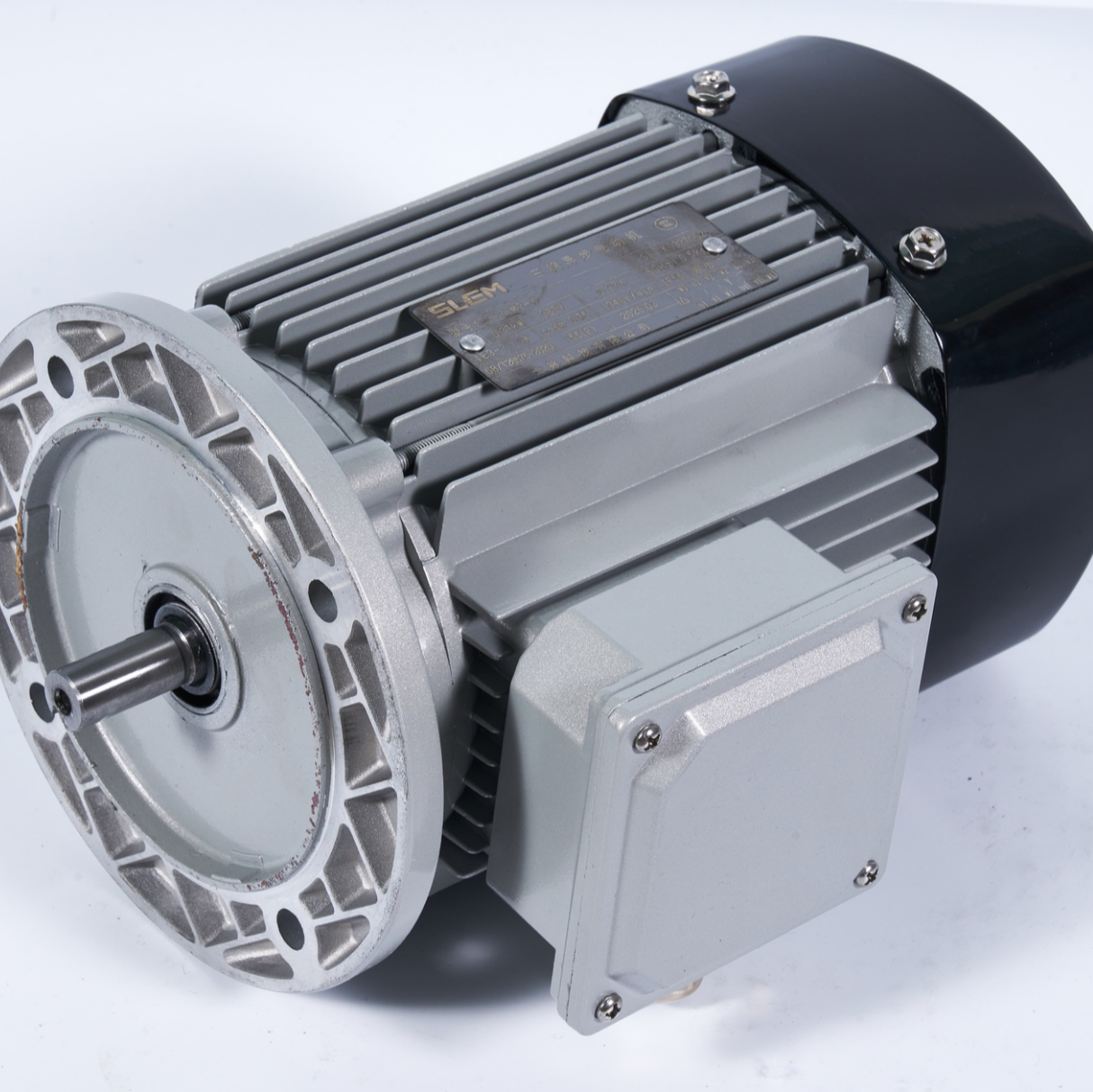
Understanding the Impact of Motor Systems on Industrial Efficiency
In modern manufacturing facilities, the choice of motor systems plays a crucial role in determining operational efficiency and long-term cost effectiveness. Low speed motors have emerged as a game-changing solution for production lines, offering substantial benefits in terms of maintenance reduction and operational reliability. These specialized motor systems operate at lower RPMs while maintaining necessary torque, fundamentally changing how manufacturing facilities approach their power transmission needs.
Manufacturing facilities worldwide are increasingly recognizing that low speed motors represent more than just an alternative to conventional high-speed motors with gearboxes. They embody a strategic approach to reducing operational costs while enhancing production line reliability. By operating at reduced speeds, these motors experience less wear and tear, ultimately leading to fewer maintenance requirements and extended service life.
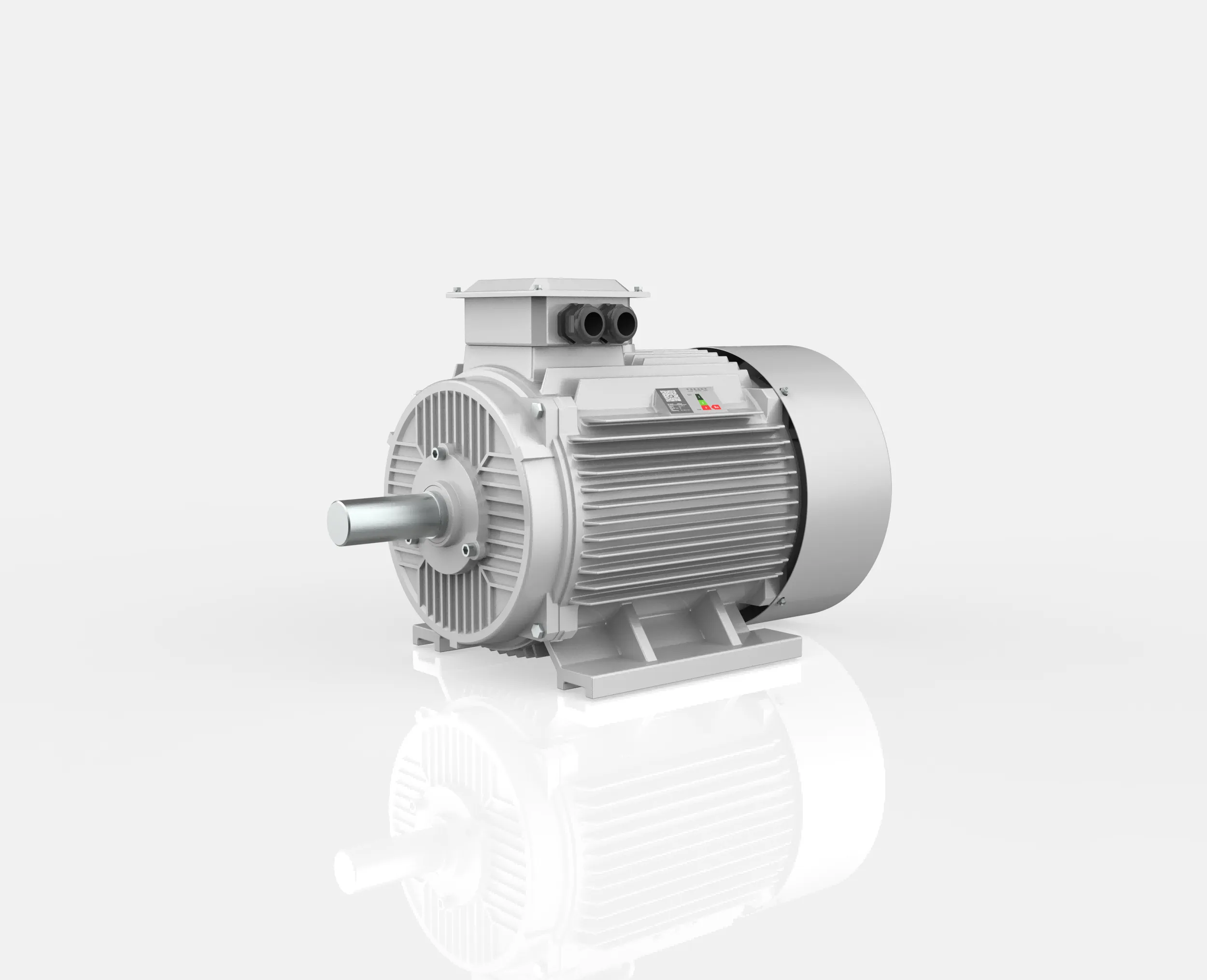
Core Benefits of Low Speed Motor Implementation
Enhanced Mechanical Durability
Low speed motors demonstrate superior mechanical durability compared to their high-speed counterparts. Operating at reduced speeds means less stress on bearings, shaft components, and other critical mechanical elements. This reduced stress translates directly into longer component life and fewer replacement requirements. When motors run at lower speeds, the mechanical wear rate decreases exponentially, leading to significantly extended maintenance intervals.
The reduction in mechanical stress also means fewer vibrations throughout the system. Lower vibration levels contribute to increased equipment longevity and reduced risk of premature component failure. This aspect is particularly valuable in precision manufacturing environments where stability and accuracy are paramount.
Reduced Thermal Stress
One of the most significant advantages of low speed motors is their superior thermal performance. Operating at lower speeds generates less heat, which directly impacts the longevity of motor components. Reduced thermal stress means less degradation of lubricants, improved bearing life, and better overall motor efficiency. The cooler operation also minimizes the risk of insulation breakdown, a common cause of motor failure in high-speed applications.
Furthermore, the reduced heat generation often eliminates the need for additional cooling systems, leading to simpler installations and lower auxiliary system maintenance requirements. This thermal efficiency contributes significantly to the overall reduction in maintenance costs and system complexity.
Operational Cost Savings Through Smart Motor Selection
Direct Maintenance Cost Reduction
Implementing low speed motors in production lines leads to substantial direct maintenance cost savings. The reduced mechanical wear and lower thermal stress result in fewer required maintenance interventions. Maintenance schedules can be extended, and the frequency of component replacements decreases significantly. This translates into lower labor costs, reduced spare parts inventory, and fewer production line interruptions for maintenance activities.
The simplified mechanical design of low speed motors, often eliminating the need for gearboxes or complex transmission systems, further reduces maintenance requirements. Fewer components mean fewer potential failure points and simpler maintenance procedures when service is required.
Energy Efficiency Improvements
Low speed motors often demonstrate superior energy efficiency compared to high-speed motors coupled with speed reduction systems. The direct drive capability eliminates transmission losses associated with gearboxes and other mechanical speed reduction methods. This improved efficiency not only reduces energy costs but also contributes to lower operating temperatures and reduced stress on the entire system.
The energy savings become particularly significant in continuous operation environments, where even small improvements in efficiency can lead to substantial cost reductions over time. The reduced energy consumption also aligns with sustainable manufacturing practices and can contribute to meeting environmental compliance requirements.
Implementation Strategies for Maximum Benefit
Proper System Integration
Successful implementation of low speed motors requires careful consideration of the entire production system. The integration process should include thorough analysis of load requirements, speed ranges, and torque needs. Proper sizing and selection of low speed motors ensure optimal performance and maximum maintenance cost reduction benefits.
Integration strategies should also consider the specific requirements of different production line sections. Some applications may benefit more from low speed motors than others, and a mixed approach might provide the best overall solution for complex manufacturing systems.
Monitoring and Predictive Maintenance
Modern low speed motors can be equipped with advanced monitoring systems that enable predictive maintenance strategies. By tracking key performance indicators and wear patterns, maintenance teams can intervene before failures occur, further reducing maintenance costs and preventing unexpected downtime.
The implementation of condition monitoring systems helps optimize maintenance schedules and ensures that service interventions are performed only when necessary. This data-driven approach to maintenance management maximizes the cost-saving benefits of low speed motors while ensuring reliable operation.
Frequently Asked Questions
What makes low speed motors more reliable than conventional motors?
Low speed motors achieve greater reliability through reduced mechanical stress, lower operating temperatures, and fewer wearing components. Their direct drive capability eliminates the need for complex transmission systems, resulting in fewer potential failure points and simpler maintenance requirements.
How do low speed motors affect production line efficiency?
These motors enhance production line efficiency by reducing maintenance downtime, improving energy efficiency, and providing more precise speed control. Their reliable operation and reduced maintenance requirements contribute to improved overall equipment effectiveness (OEE) and production consistency.
What are the long-term cost implications of switching to low speed motors?
While the initial investment in low speed motors may be higher, the long-term cost benefits include reduced maintenance expenses, lower energy consumption, decreased spare parts inventory, and fewer production interruptions. These factors typically result in a favorable return on investment over the motor's operational lifetime.