 EN
EN

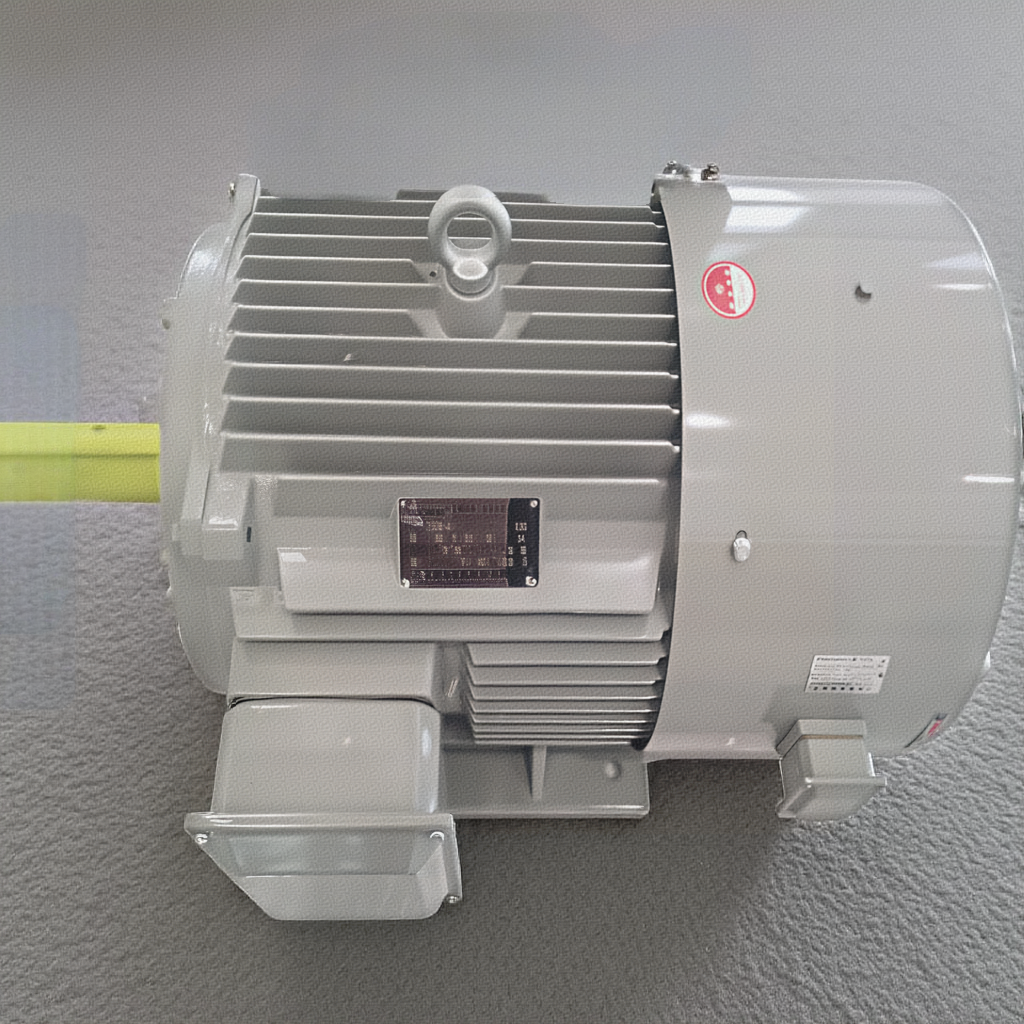
The efficiency differences between three phase motors and single phase motors represent one of the most significant considerations in industrial motor selection. Understanding these distinctions helps engineers, facility managers, and equipment designers make informed decisions about power systems that can dramatically impact operational costs and performance. Three phase motors consistently demonstrate superior efficiency characteristics compared to their single phase counterparts, making them the preferred choice for most commercial and industrial applications where higher power requirements and continuous operation are essential.
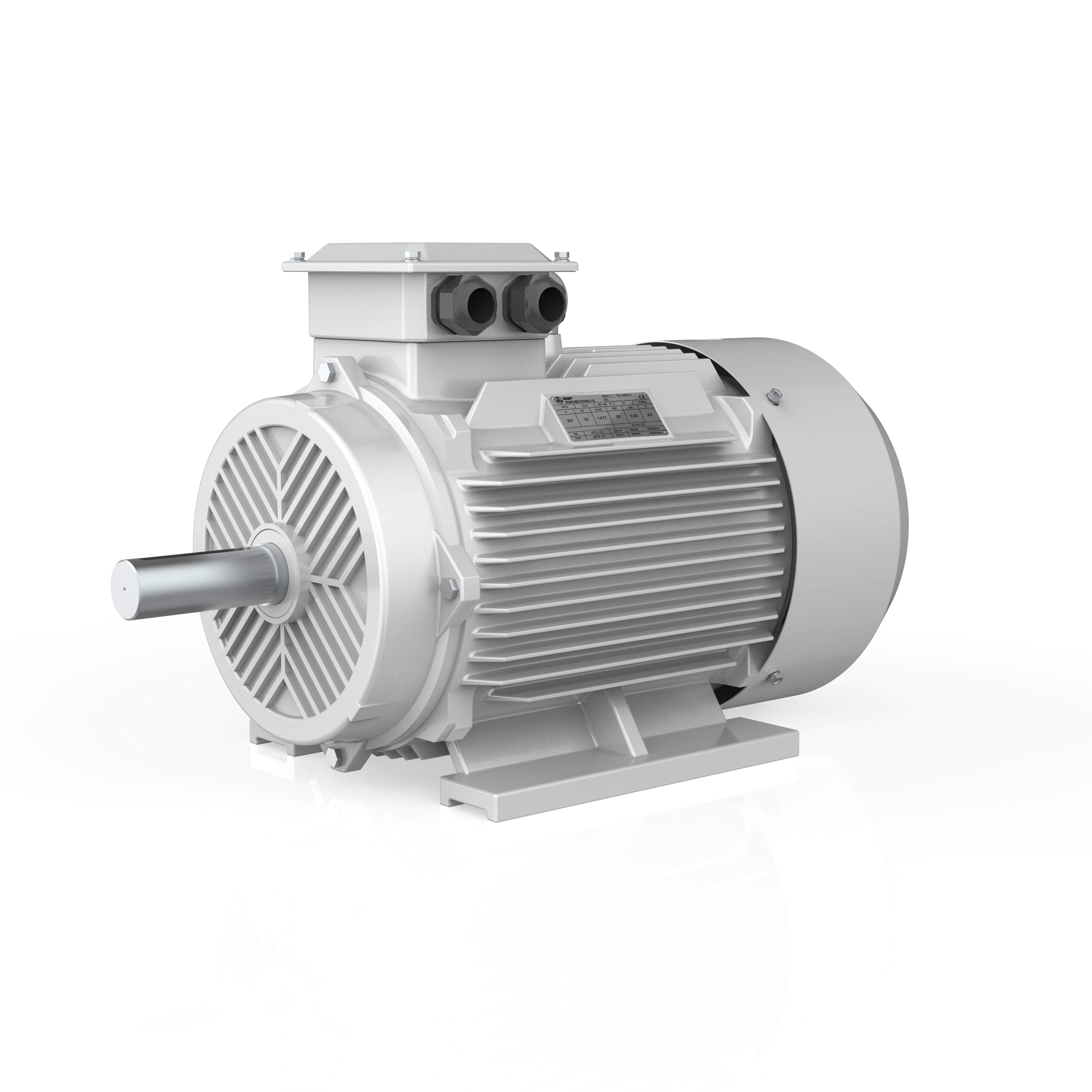
Fundamental Power Delivery Mechanisms
Power Distribution Architecture
The fundamental difference between three phase motors and single phase motors lies in how electrical power reaches the motor windings. Three phase systems deliver power through three separate conductors, each carrying alternating current that peaks at different times, creating a more balanced and continuous power flow. This arrangement ensures that power delivery never drops to zero, unlike single phase systems where power pulsates twice per electrical cycle.
Single phase motors must overcome the inherent limitation of pulsating power delivery, which creates periods where no power transfers to the motor shaft. During these zero-power moments, the motor relies on rotational inertia to maintain motion, resulting in less efficient energy conversion and increased vibration. The continuous power delivery of three phase systems eliminates these efficiency losses and provides smoother torque characteristics throughout the operational cycle.
The mathematical relationship governing power delivery demonstrates why three phase configurations achieve superior efficiency. In balanced three phase systems, the total instantaneous power remains constant, while single phase systems experience power variations that range from zero to twice the average power level. This consistency translates directly into improved mechanical performance and reduced energy waste.
Magnetic Field Generation
Three phase motors generate rotating magnetic fields naturally through the interaction of three time-displaced current waveforms in the stator windings. This rotating field provides consistent torque without requiring additional starting mechanisms or auxiliary windings. The smooth magnetic field rotation reduces losses associated with magnetic flux variations and creates more uniform force distribution across the rotor surface.
Single phase motors cannot produce rotating magnetic fields without assistance from starting circuits or auxiliary windings. These additional components introduce extra losses and complexity while failing to achieve the same level of magnetic field uniformity. The pulsating magnetic field in single phase motors creates torque ripple and increases losses through eddy currents and hysteresis effects in the magnetic materials.
The superior magnetic field characteristics of three phase motors enable higher power density and more efficient operation across various load conditions. The rotating magnetic field maintains consistent strength and direction, optimizing the electromagnetic forces that convert electrical energy into mechanical work while minimizing parasitic losses.
Electrical Efficiency Advantages
Current Distribution Patterns
The current distribution in three phase motors provides significant efficiency benefits compared to single phase alternatives. Three phase systems divide the total current among three conductors, reducing the current density in each wire and decreasing resistive losses proportionally. Lower current density means reduced heating in conductors, transformers, and switching equipment, leading to improved overall system efficiency.
Single phase motors must carry the entire load current through fewer conductors, resulting in higher current density and increased resistive heating. The higher current levels require larger wire gauges and more robust electrical infrastructure to handle the same power levels that three phase systems manage with smaller components. This fundamental difference in current distribution creates cascading efficiency improvements throughout the electrical system.
The balanced current flow in three phase systems also reduces neutral conductor requirements and eliminates certain harmonic distortions that plague single phase installations. These factors contribute to cleaner electrical power delivery and reduced losses in transformers, switchgear, and distribution equipment serving the motor loads.
Power Factor Characteristics
Three phase motors typically achieve better power factor performance than single phase motors, particularly under varying load conditions. The balanced three phase configuration naturally maintains more stable power factor across different operating points, reducing reactive power demands on the electrical distribution system. Improved power factor means more efficient use of electrical infrastructure and reduced energy costs in facilities subject to power factor penalties.
Single phase motors often exhibit poor power factor characteristics, especially during starting and light load conditions. The auxiliary windings and starting circuits required for single phase operation introduce additional reactive components that degrade power factor performance. Poor power factor increases the apparent power demand without contributing useful work, requiring larger electrical infrastructure to support the same mechanical output.
The superior power factor characteristics of three phase motors extend beyond the motor itself to impact the entire electrical distribution system. Improved power factor reduces voltage drop in supply circuits, enables better voltage regulation, and increases the effective capacity of transformers and distribution equipment serving multiple loads.
Mechanical Performance Benefits
Torque Production Characteristics
The torque production in three phase motors demonstrates remarkable consistency compared to single phase alternatives. The continuous power delivery and rotating magnetic field create smooth torque output with minimal ripple, reducing vibration and mechanical stress on connected equipment. This smooth torque characteristic improves the lifespan of mechanical components and reduces maintenance requirements in driven machinery.
Single phase motors produce pulsating torque due to the alternating nature of single phase power and the resulting magnetic field variations. This torque ripple creates vibration, noise, and mechanical stress that can damage bearings, couplings, and driven equipment over time. The additional mechanical losses from vibration and misalignment reduce overall system efficiency and increase operating costs.
The superior torque characteristics of three phase motors enable more precise speed control and better dynamic response in variable load applications. The consistent torque output allows for more accurate process control and improved product quality in manufacturing applications where speed or position accuracy matters.
Starting Performance
Three phase motors provide excellent starting performance without requiring complex auxiliary circuits or starting mechanisms. The natural rotating magnetic field generates strong starting torque immediately upon energization, enabling reliable starts under load conditions. This simple starting process reduces component count, improves reliability, and eliminates losses associated with starting circuits.
Single phase motors require auxiliary windings, starting switches, or capacitors to initiate rotation, adding complexity and potential failure points to the system. These starting mechanisms introduce additional losses during startup and may continue to consume power during normal operation. The starting performance of single phase motors often limits their application in high-torque or frequent-start situations.
The reliable starting characteristics of three phase motors make them suitable for demanding applications where consistent performance matters. Industrial processes requiring frequent starts, high starting torque, or remote operation benefit from the simplified starting requirements and improved reliability of three phase motor designs.
Economic and Operational Considerations
Energy Cost Analysis
The efficiency advantages of three phase motors translate directly into reduced energy costs over the motor's operational lifetime. The improved electrical efficiency, better power factor, and reduced losses throughout the power delivery system combine to create substantial savings in electricity consumption. For continuous-duty applications, these energy savings often justify the higher initial cost of three phase infrastructure within the first few years of operation.
Single phase motors consume more electricity to produce the same mechanical output due to inherent inefficiencies in power conversion and delivery. The cumulative effect of these losses becomes significant in high-utilization applications where motors operate many hours per day. Energy cost differences compound over time, making three phase motors more economical despite potentially higher upfront costs.
Life cycle cost analysis consistently favors three phase motors in applications exceeding certain power levels or operating hours. The combination of reduced energy consumption, lower maintenance requirements, and longer equipment life creates compelling economic advantages that extend far beyond initial purchase price considerations.
Maintenance and Reliability Factors
The operational reliability of three phase motors exceeds that of single phase alternatives due to simpler construction and more balanced operating conditions. The absence of starting circuits, auxiliary windings, and associated switching components eliminates common failure modes and reduces maintenance requirements. Fewer components mean fewer potential failure points and reduced complexity in troubleshooting and repair procedures.
Single phase motors incorporate additional complexity through starting mechanisms that require periodic maintenance and eventual replacement. Starting capacitors degrade over time, centrifugal switches wear from repeated operation, and auxiliary windings may fail due to thermal stress from frequent starting cycles. These maintenance requirements increase operational costs and reduce system availability through unplanned downtime.
The balanced loading and smooth operation of three phase motors reduce wear on mechanical components including bearings, shaft seals, and coupling elements. This reduced mechanical stress extends component life and decreases the frequency of maintenance interventions, contributing to lower total cost of ownership and improved equipment availability.
FAQ
What makes three phase motors more efficient than single phase motors
Three phase motors achieve higher efficiency through continuous power delivery, balanced current distribution, and naturally rotating magnetic fields that eliminate the need for auxiliary starting circuits. The constant power flow prevents the energy losses associated with pulsating power delivery in single phase systems, while balanced three phase currents reduce resistive losses in conductors and improve power factor characteristics.
Can single phase motors be converted to three phase for better efficiency
Converting single phase motors to three phase operation is not practical due to fundamental differences in winding configuration and magnetic circuit design. However, single phase applications can benefit from installing three phase power distribution and using three phase motors, though this requires electrical infrastructure upgrades including three phase transformers and distribution panels.
At what power level do three phase motors become more cost effective
Three phase motors typically become more cost effective than single phase alternatives at power levels above 5 horsepower, though the exact crossover point depends on local electrical rates, installation costs, and operating hours. For continuous duty applications, the efficiency benefits of three phase motors can justify infrastructure costs even at lower power levels due to reduced energy consumption over the motor's lifetime.
How much energy savings can be expected from switching to three phase motors
Energy savings from three phase motors compared to equivalent single phase motors typically range from 10 to 25 percent, depending on the specific application, load characteristics, and operating conditions. The savings increase with motor size and operating hours, making three phase conversion most attractive for high-power, continuous-duty applications where energy costs represent a significant portion of total operating expenses.